


New Delhi, 02 January 2025: The global health community is on high alert as a concerning mutation in the H5N1 bird flu virus has been detected. While bird flu primarily affects avian populations, certain strains have shown the ability to jump to mammals, including humans, raising fears of a potential pandemic. This latest mutation has sparked urgent discussions among scientists and policymakers about its implications for global health.
What Is H5N1 Bird Flu?
H5N1 is a subtype of the influenza virus that primarily infects birds, causing severe respiratory disease and high mortality rates in avian populations. Since its discovery in 1997, sporadic human cases have been reported, typically linked to close contact with infected birds. The virus’s ability to infect humans, although rare, has raised concerns due to its high fatality rate—around 60% in documented cases.
The New Mutation: What Do We Know?
Recent findings indicate a genetic mutation in the H5N1 virus that enhances its ability to replicate in mammals. This mutation, detected in surveillance studies, suggests that the virus may be adapting to infect a broader range of hosts.
Key concerns include:
Potential for Human-to-Human Transmission: Although there is no evidence of sustained human-to-human transmission yet, the mutation raises the risk of such a scenario.
Increased Mammalian Transmission: The mutation may make it easier for the virus to spread among mammals, including humans.
Enhanced Virulence: Early studies suggest the mutated strain could lead to more severe disease.
Are We at Risk of Another Pandemic?
Experts caution against panic but emphasize vigilance. While the mutation is concerning, it is not sufficient to trigger a pandemic on its own. For a pandemic to occur, the virus would need to acquire additional mutations enabling efficient human-to-human transmission.
Factors to consider:
Vaccines and Antivirals: Efforts are underway to develop vaccines and antiviral drugs targeting H5N1.
Current Barriers: The virus’s ability to infect humans remains limited, with most cases linked to direct exposure to infected birds.
Preparedness: Advances in virology and global surveillance provide early warning systems, enabling swift containment measures.
Lessons From COVID-19
The COVID-19 pandemic underscored the importance of preparedness and rapid response to emerging health threats. Lessons learned from that crisis can inform strategies to mitigate the risks posed by the mutated H5N1 virus:
Investing in Research: Accelerating the development of vaccines and treatments for zoonotic diseases.
Early Detection: Strengthening surveillance systems to identify outbreaks early.
Global Cooperation: Ensuring transparent information sharing between countries.
What Can Be Done Now?
While the risk of a pandemic remains low at this stage, proactive measures are crucial to prevent escalation. Key steps include:
Research Funding: Supporting studies on H5N1’s evolution and potential interventions.
Enhanced Surveillance: Monitoring avian and mammalian populations for signs of infection.
Public Awareness: Educating the public about reducing exposure to infected birds and practicing good hygiene.
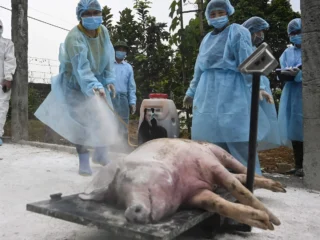
Policy Measures: Implementing biosecurity protocols in poultry farms and live animal markets.
The detection of a concerning mutation in the H5N1 bird flu virus serves as a stark reminder of the constant threat posed by zoonotic diseases. While the risk of another pandemic is not imminent, vigilance and preparedness are critical to mitigating potential impacts. By learning from past experiences and investing in robust global health systems, we can better safeguard against emerging threats and protect public health.















Leave a comment