

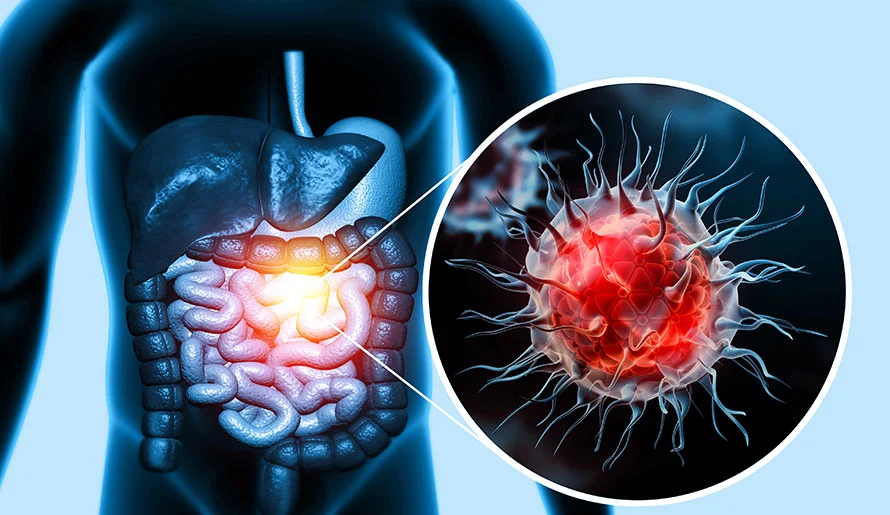
New Delhi, 04 June 2025: A major new study has found a significant link between regular physical activity and improved survival rates among colon cancer patients. This groundbreaking research adds to growing evidence that lifestyle changes, especially regular exercise, can play a crucial role in cancer recovery—offering hope to millions of patients and survivors worldwide.
Exercise Boosts Colon Cancer Survival: What the Study Found
Published in a leading oncology journal, the study tracked over 2,500 colon cancer patients across various stages of the disease for more than 10 years. Researchers discovered that patients who engaged in moderate to vigorous physical activity for at least 150 minutes per week had a 25-30% higher survival rate compared to those who led sedentary lifestyles.
Even among those undergoing chemotherapy or recovering from surgery, light to moderate daily activity—like brisk walking, cycling, or yoga—significantly reduced the risk of cancer recurrence and improved overall longevity.
Why Is Exercise So Effective Against Colon Cancer?
Colon cancer, also known as colorectal cancer, is one of the most common cancers globally. In India, it’s on the rise, particularly among younger adults in urban areas due to poor diet, sedentary lifestyles, and obesity. While medical treatment like surgery, radiation, and chemotherapy remain essential, lifestyle factors like exercise can influence outcomes significantly.
Here’s how physical activity helps colon cancer patients:
- Improves circulation – Enhances delivery of oxygen and nutrients to tissues, helping repair damage post-treatment.
- Reduces inflammation – Chronic inflammation is linked to cancer progression. Exercise helps lower inflammatory markers in the body.
- Regulates insulin levels – High insulin and glucose levels can fuel cancer growth. Exercise improves insulin sensitivity.
- Boosts immune function – Active individuals often have better immune surveillance, helping the body fight off residual cancer cells.
The Most Effective Exercises for Colon Cancer Patients
You don’t have to become a marathon runner to reap the benefits. The study showed that moderate physical activity is enough to lower mortality risk.
Here are some recommended exercises:
- Brisk walking – 30 minutes a day can work wonders
- Stationary cycling – Great for cardiovascular health
- Swimming – Low-impact and joint-friendly
- Yoga and stretching – Improves flexibility, reduces stress
- Strength training – Helps rebuild muscle lost during treatment
It’s essential to consult your doctor or physiotherapist before starting any routine, especially if you are undergoing treatment or have other medical conditions.
How Soon Should You Start Exercising After Diagnosis?
Experts recommend starting physical activity as early as possible, even during treatment, as long as it’s safe. Light movement such as short walks or chair exercises can reduce fatigue and speed up recovery.
After treatment ends, patients are encouraged to build up to 150–300 minutes of activity per week. This may include a mix of cardio, strength training, and flexibility work.
Exercise Also Helps With Mental Health During Cancer Recovery
Colon cancer treatment often brings emotional and psychological distress. Regular exercise releases endorphins (feel-good hormones), which help in:
- Reducing anxiety and depression
- Improving sleep quality
- Enhancing confidence and body image
- Creating a sense of control during a difficult time
Many cancer survivors say exercise became a therapeutic tool that helped them stay mentally strong and optimistic.
Barriers to Exercise Among Colon Cancer Patients
Despite its benefits, many colon cancer patients hesitate to exercise due to:
- Fatigue from chemotherapy
- Fear of injury or complications
- Lack of motivation
- Not knowing where to begin
- Limited access to safe environments
Health providers can play a vital role by creating individualized exercise plans and encouraging support groups or fitness classes tailored for cancer patients.
In India, where colon cancer awareness is still limited, this study’s findings should prompt public health campaigns that highlight the role of lifestyle in cancer care. Hospitals and oncology centers must start integrating physical activity programs into treatment and survivorship plans.
Fitness experts, yoga instructors, and physiotherapists can collaborate with oncologists to guide patients safely through exercise routines.
The message is clear—exercise is not just a prevention tool but a powerful component of cancer treatment and recovery. Colon cancer survivors who stay active are more likely to live longer, experience fewer complications, and enjoy better quality of life.
With proper medical guidance, cancer survivors can harness the healing power of movement, transforming their journey from fear to strength.
















Leave a comment