

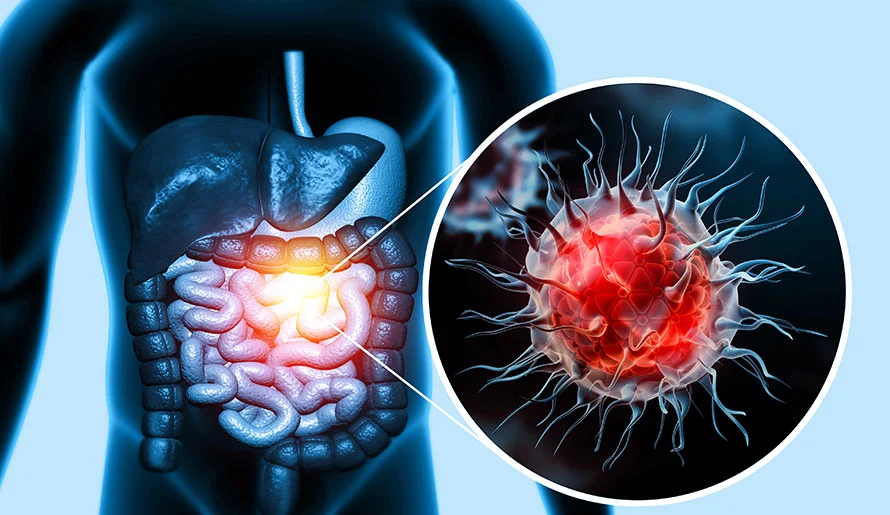
Colon Cancer No Longer An ‘Old Age’ Disease: Cases of colorectal cancer, also known as colon cancer has been rising in young adults for year and it is now one of the leading causes of cancer deaths worldwide. A study published in The Lancet found that some of the contributing factor of the rising cases of colorectal cancer are driven by lifestyle changes and inherited genetic risks.
The findings further revealed that between 2013 and 2017, the incidence rate was commonly seen in people under the age of 50. The study states, “Researchers believe this global pattern reflects broad changes in daily life, including shifts in diet, reduced physical activity, urban living, and environmental exposures.” What drew more attention to colon cancer recently is the passing of Dawson’s Creek star James Van Der Beek at 48 on Wednesday, following two-and-a-half-year struggle with colon cancer.
Dr. John Marshall of Georgetown University’s Lombardi Comprehensive Cancer Center, told a leading media outlet, “We’re now starting to see more and more people in the 20-, 30- and 40-year-old range developing colon cancer. At the beginning of my career, nobody that age had colorectal cancer.”
“Colon cancer develops when a neoplastic (tumorous) process begins in the lining (mucosa) of the colon, which is the large intestine. As the tumor grows within the lumen of the colon, it can gradually narrow the passage, leading to partial obstruction. This slows the movement of stool, resulting in difficulty in passing motions or delayed bowel movements, commonly perceived as constipation,” said Dr. Mandeep Singh Malhotra, Director – Surgical Oncology at the CK Birla Hospital, Delhi. “Therefore, new-onset or persistent constipation can be an early warning sign of colon cancer, especially when it does not improve despite dietary changes or appropriate medical treatment. In such cases, it is important to consult a doctor for further evaluation. Investigations such as imaging studies and colonoscopy may be required to rule out serious underlying causes.”
Symptoms Of Colon Cancer
Here are some common signs and symptoms of colon cancer that most people with this illness experience before and after the disease diagnosis, according to the John Hopkins Medicine:
- Black coloured stool
- Visible blood in the stool
- Change in bowel habits
- Constipation
- Diarrheoa
- Fatigue
- Loss of appetite
- Anemia
- Cramping
- Lump in the abdomen
- Passing gas persistently
- Frequent defecation
- An urge to have a bowel movement that doesn’t go away
- Jaundice
- Unexplained weight loss

Importance Of Early Screening
According to healthcare professionls colon cancer can affect both young and elderly people regardless of their age. The present situation becomes more serious because younger people tend to disregard warning signs which indicate their health danger. This is exactly why early screening has become more important than ever. Colon cancer starts to develop through a slow process that does not produce any visible symptoms during its initial period. The disease reaches advanced stages by the time people observe symptoms which include ongoing abdominal discomfort, sudden weight loss and blood in stools. The screening process enables doctors to identify precancerous polyps and early-stage cancer which allows better treatment results and improved survival chances.
The young population faces growing health dangers because of their dietary choices which include processed foods and their tendency to lead inactive lifestyles and their battle with obesity and their practice of smoking and their experience of stress. Young people face higher health dangers from family history and inflammatory bowel disease and genetic conditions which make screening essential for their needs.
Early detection offers its main benefit through its ability to stop diseases from developing. Doctors use colonoscopy procedures to eliminate dangerous abnormal growths which helps prevent their development into cancer. The procedure decreases the chance of cancer development and it removes the necessity for future rigorous medical treatments. Screening has evolved into an essential health protection measure which younger people should practice to maintain wellness while detecting dangerous conditions in their bodies.
Dr. Mandeep Singh Malhotra explained, “Pain during bowel movements is more commonly associated with hemorrhoidal disease or anal cancers rather than colon cancer. However, in advanced stages, colon cancer can also be associated with pain. Early recognition of symptoms and timely investigation are key to improving outcomes.”
Among patients with metastatic colorectal cancer, treatment with trifluridine–tipiracil plus bevacizumab as third-line therapy resulted in longer overall survival than trifluridine–tipiracil alone (SUNLIGHT trial). https://t.co/C4DZvyiZiD pic.twitter.com/gHTR9jbJS5
— NEJM (@NEJM) May 3, 2023
At What Age Should You Get A Colonoscopy?
According to MD Anderson Cancer Centre, guidelines recommend that people with average risk should begin their first screening at 45 which replaces the previous requirement of starting at 50. The shift demonstrates rising public awareness about the increasing occurrence of early-onset colorectal cancer which requires earlier detection methods. People with a higher risk may need to start screening even earlier. Those with a family history of colorectal cancer or polyps or inflammatory bowel disease (such as Crohn’s disease or ulcerative colitis) or specific genetic conditions should speak to their doctor about screening options which begin in their 20s or 30s. In many cases, doctors recommend starting tests 10 years earlier than the age at which the youngest affected family member was diagnosed.
There are several screening options available. Colonoscopy remains the gold standard which doctors usually recommend every 10 years when their patients show normal test results. The other available methods include stool-based tests which detect hidden blood and abnormal DNA, and these tests require annual testing or testing every few years. Healthcare professionals advise that testing should take place without waiting for any actual symptoms to develop. Anyone showing signs of rectal bleeding, persistent changes in bowel habits, unexplained fatigue, abdominal discomfort must receive immediate medical evaluation which applies to all age groups. Screening tests combined with their respective follow-up procedures enable medical professionals to discover health issues at early stages which helps them to halt cancer progression while improving patient treatment results and their chances of surviving the disease.
Treatment for colorectal cancer may involve surgery, chemotherapy, radiation therapy, targeted therapy, or a combination of these. The prognosis depends on the stage of the cancer at diagnosis, with early detection leading to better outcomes.#ColorectalCancerAwarenessMonth pic.twitter.com/coh5emTNHA
— Kenyan Network of Cancer Organizations (@kenconetwork) March 18, 2024
Consequences Of Delayed Diagnosis
The most significant current problem for colon cancer management results from people who diagnosis themselves with the disease after they reach its advanced stage. The disease progresses to advanced stages which make it harder to treat and create life-threatening situations for patients. People who experience these symptoms start to show symptoms which show their need for treatment but they need to wait until their body shows more advanced symptoms. Younger adults, in particular, tend to ignore warning signs such as blood in stool, persistent constipation or diarrhea, unexplained weight loss, or ongoing abdominal discomfort. The common belief that colon cancer only affects older people leads both patients and healthcare providers to overlook its possibility. This leads to valuable time being lost.
When diagnosis is delayed, cancer may spread beyond the colon to nearby lymph nodes or distant organs such as the liver or lungs. At this stage, treatment becomes more complex and may require a combination of surgery, chemotherapy, and targeted therapies. The chances of full recovery also decrease significantly compared to early-stage detection. Patients and their families experience increased physical and emotional and financial burdens which result from late diagnosis. The need for aggressive treatment results in patients experiencing extended recovery times which causes them to experience worse quality of life. The key message is simple persistent digestive symptoms should never be ignored, regardless of age. The time when a medical problem becomes dangerous occurs when patients receive their first medical examinationand start their screening process.
New research by @drfolamay, @samirguptagi, @dembj13 found that patients who delayed a follow-up colonoscopy after receiving a + stool-based screening test were more likely to be diagnosed with CRC & experience poorer outcomes following diagnosis. https://t.co/ZkMkHGaZeb
— Fight Colorectal Cancer (@FightCRC) February 3, 2021
Tips To Lower Risk Of Colon Cancer
Several factors drive the risk of developing colon cancer. However, healthcare professionals note that making certain lifestyle modifications to their everyday patterns can help them achieve better colon health. For example:
- A diet that contains high levels of fibre serves as the most effective method for disease prevention
- The consumption of whole grains, fruits, vegetables, legumes and nuts helps to establish regular bowel patterns
- Limit processed foods, red meat and high saturated fat products
- Experts recommend at least 30 minutes of moderate exercise
- Stop smoking and limit alcohol drinking
- Management stress
- Drinking enough water
- Proper sleep.
- Regular health assessments together with screenings that match your age.
Did you know that colorectal cancer may be fueled by the food on your plate?️
A study from @USFHealth and @TGHCares is paving the way for a new therapy that helps reverse the chronic inflammation that drives tumor growth. #KeepFloridaFirsthttps://t.co/kUa8B4S1fp
— University of South Florida (@USouthFlorida) August 18, 2025
Foods That Support Colon Health
Colon health plays a vital role in overall health, digestion and disease prevention. The increasing prevalence of colorectal diseases which includes early-onset cases that organizations such as the American Cancer Society have identified makes it essential for people to follow a colon-friendly diet. A healthy colon depends on people consuming foods that contain high amounts of fiber. Here are some essential diet to support colon health:
- Grains: Whole grains such as oats and brown rice help people maintain regular bowel movements while they also help decrease their constipation problems
- Vegetables: Leafy greens such as spinach and kale provide essential nutrients and antioxidants to maintain gut lining health
- Fruits: Apples, berries and pears function as fruit sources that deliver soluble fiber which benefits gut bacteria
- Legumes: Adding legumes, lentils and chickpeas to your diet can benefit the microbiome because they help you digest food better
- Probiotics: Fermented foods such as yogurt, kefir and kimchi provide probiotics that help increase the diversity of gut bacteria
- Seafoods: The omega-3 fatty acids found in fatty fish such as salmon work to decrease inflammation throughout the digestive system
- Hydration: People who want to protect their colon health should drink enough water and avoid processed foods because these habits help them reduce their chances of getting digestive diseases while promoting their overall health
The content is only for informational purposes. It is not at all professional medical advice. Always consult your doctor or a healthcare specialist for any questions regarding your health or a medical condition.
















Leave a comment