


New Delhi, 03 November 2025: As temperatures drop, older men may need to pay closer attention to their prostate health. Experts warn that cold weather can exacerbate prostate issues, particularly in men over 60, a demographic already at heightened risk for conditions like benign prostatic hyperplasia (BPH) and prostatitis. Understanding the connection between colder climates and prostate health is crucial for prevention and management.
Understanding the Prostate and Common Issues
The prostate is a small gland located below the bladder in men. It plays a vital role in reproductive health by producing seminal fluid. However, as men age, the prostate becomes more susceptible to various conditions, including:
Prostate Cancer: While less directly linked to weather, it remains a significant concern for older men.
Benign Prostatic Hyperplasia (BPH): A non-cancerous enlargement of the prostate that can obstruct urine flow.
Prostatitis: Inflammation of the prostate, often causing pain and urinary difficulties.
Why Cold Weather Increases Prostate Problems
1. Reduced Physical Activity
Cold weather often leads to a more sedentary lifestyle, which can contribute to weight gain and poor circulation. Both factors are associated with worsening prostate health. Regular exercise is essential for maintaining healthy prostate function, and the lack of movement during colder months may exacerbate existing issues.
2. Increased Urinary Retention
Cold temperatures can lead to constriction of blood vessels and muscles, potentially affecting the bladder and urinary system. This may result in increased urinary retention, a common problem in men with BPH. Retained urine can irritate the bladder and exacerbate prostate symptoms.
3. Immune System Changes
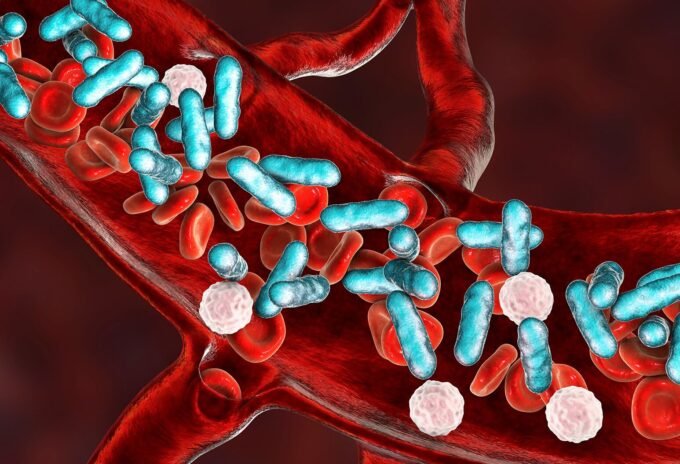
The immune system may be slightly suppressed in cold weather, making the body more susceptible to infections, including prostatitis. This inflammation of the prostate gland can cause painful urination, pelvic discomfort, and other symptoms.
4. Dehydration Risk
People tend to drink less water in colder weather, leading to concentrated urine that can irritate the bladder and prostate. Staying hydrated is essential for flushing out toxins and maintaining urinary tract health.
Expert Insights
Dr. Alan Thompson, Urologist
“Cold weather doesn’t directly harm the prostate, but it amplifies risk factors that older men already face. Reduced activity, dehydration, and urinary retention all play a role in worsening symptoms during the winter months,” explains Dr. Alan Thompson, a leading urologist.
Dr. Priya Mehta, General Practitioner
“Prevention is key. Men over 60 should prioritize staying active, drinking enough water, and addressing any urinary symptoms promptly to avoid complications during colder seasons,” adds Dr. Priya Mehta.
Tips for Protecting Prostate Health in Cold Weather
1. Stay Active Indoors
Engage in light exercises such as yoga, stretching, or walking on a treadmill to maintain circulation and overall health.
2. Drink Plenty of Fluids
Even if you don’t feel as thirsty in cold weather, aim to drink at least 6-8 glasses of water daily to keep your urinary system functioning optimally.
3. Dress Warmly
Avoid exposure to extreme cold, as it can lead to muscle tension and discomfort in the pelvic region.
4. Monitor Symptoms
Be vigilant about changes in urinary patterns, pain, or discomfort. Consult a doctor if symptoms persist or worsen.
5. Regular Checkups
Men over 60 should schedule routine prostate exams to detect and address any issues early.
Cold weather poses unique challenges for men’s prostate health, particularly for those over 60. By understanding the risks and adopting proactive measures, older men can minimize the impact of winter on their well-being. Experts emphasize the importance of staying active, hydrated, and attentive to symptoms to maintain prostate health during the colder months. As winter approaches, a little extra care can go a long way in safeguarding one’s health.











Leave a comment