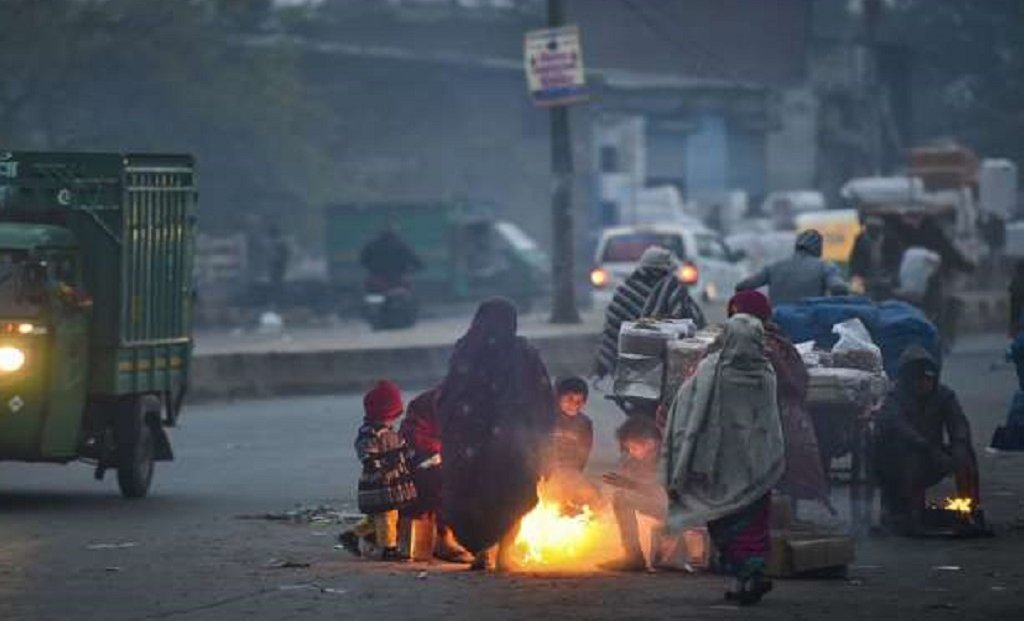
Delhi and the National Capital Region (NCR) continue to reel under a severe cold wave, with temperatures dipping sharply, dense fog reducing visibility, and health authorities urging residents to take extra precautions. The prolonged spell of intense cold has disrupted daily life, slowed transportation, and raised concerns for vulnerable populations, including children, the elderly, and those with chronic illnesses.
Over the past few days, minimum temperatures in the capital have dropped significantly below seasonal averages, making early mornings and late nights particularly harsh. The biting chill, combined with stagnant air and foggy conditions, has intensified winter discomfort across the city.
Why Is Delhi Experiencing a Severe Cold Wave?
Meteorologists attribute the cold wave to dry northwesterly winds, clear night skies, and the absence of cloud cover, which allow heat to escape rapidly from the ground after sunset. These conditions result in sharp overnight temperature drops, leading to cold wave situations when minimum temperatures fall well below normal levels for consecutive days.
Dense fog has also become a regular feature during early morning hours, further amplifying the cold feel and reducing visibility on roads and highways.
Dense Fog Disrupts Daily Life
The cold wave has had a visible impact on everyday activities across Delhi and NCR:
- Traffic disruptions: Low visibility due to dense fog has slowed road traffic, particularly during early morning hours.
- Travel delays: Flight and train schedules have been affected as foggy conditions reduce operational efficiency.
- Longer commute times: Office-goers and daily wage workers are facing delays and increased exposure to extreme cold.
Schools in nearby regions have extended winter breaks or delayed opening hours to protect children from exposure to extreme cold and foggy conditions.
Cold Wave and Air Pollution: A Dangerous Combination
Adding to the discomfort is Delhi’s persistently poor air quality, which often worsens during winter. Cold temperatures and low wind speeds trap pollutants close to the ground, creating a “double burden” on public health.
Exposure to cold air mixed with polluted air can aggravate respiratory problems, trigger asthma attacks, and worsen symptoms in people with chronic lung and heart conditions.
Health Risks Linked to Extreme Cold
Health experts warn that prolonged cold exposure can have serious consequences, especially for high-risk groups. Some of the key health risks during a cold wave include:
Respiratory Problems
Cold air can irritate airways, leading to coughing, wheezing, shortness of breath, and increased susceptibility to infections such as colds and flu. People with asthma, bronchitis, or COPD are particularly vulnerable.
Heart-Related Issues
Cold weather causes blood vessels to constrict, which can raise blood pressure and increase strain on the heart. This raises the risk of heart attacks and strokes, especially in older adults and those with existing heart disease.
Hypothermia
Prolonged exposure to low temperatures, especially at night or in poorly heated environments, can lead to hypothermia. Symptoms include shivering, confusion, slurred speech, and extreme fatigue.
Joint and Muscle Pain
Cold weather often worsens joint stiffness and muscle pain, particularly in people with arthritis or mobility issues.
Weakened Immunity
Extreme cold can suppress immune responses, making people more prone to seasonal infections.
Who Is Most at Risk?
Doctors advise extra caution for:
- Elderly individuals
- Infants and young children
- People with heart, lung, kidney, or metabolic conditions
- Outdoor workers and homeless populations
These groups are more susceptible to complications caused by prolonged cold exposure.
How to Stay Safe During a Cold Wave
Health authorities recommend the following precautions during severe winter conditions:
- Dress in layers: Wearing multiple layers helps trap body heat. Cover your head, hands, and feet, as these areas lose heat quickly.
- Limit outdoor exposure: Avoid unnecessary travel during early morning and late evening hours when temperatures are lowest.
- Stay warm indoors: Use safe heating methods and ensure adequate ventilation.
- Maintain hydration: People often drink less water in winter, but dehydration can still occur.
- Eat warm, nutritious food: Hot meals help maintain body temperature and energy levels.
- Monitor health symptoms: Seek medical help if you experience chest pain, severe breathlessness, or signs of hypothermia.
Parents are advised to ensure children are properly dressed before heading to school or outdoor activities.
Impact on the Homeless and Vulnerable Communities
Cold waves pose a serious threat to homeless populations. Authorities and social organisations have stepped up night shelter arrangements, distributing blankets and warm clothing to reduce the risk of cold-related illness and fatalities.
Public health experts stress the importance of community support and awareness during extreme winter events.
Will There Be Relief Soon?
Weather experts suggest that while a slight rise in temperatures may occur over the coming days, cold wave conditions are likely to persist intermittently through the peak winter period. Dense fog may continue to affect visibility during early mornings.
Residents are advised to stay updated with weather advisories and plan their daily routines accordingly.
The Bigger Picture: Climate Extremes and Urban Health
The recurring intensity of cold waves highlights the growing challenge of climate variability in urban environments. Cities like Delhi, with high pollution levels and dense populations, face amplified health risks during extreme weather events.
Experts emphasise the need for cold-weather preparedness plans, similar to heat action plans, focusing on protecting vulnerable populations and reducing health emergencies during winter extremes.
As Delhi remains in the grip of a severe cold wave, authorities and health experts urge residents to take the weather warnings seriously. The combination of low temperatures, dense fog, and poor air quality makes this winter spell particularly challenging.
Staying informed, dressing appropriately, limiting exposure to extreme cold, and looking out for vulnerable individuals can go a long way in reducing health risks until conditions begin to improve.