

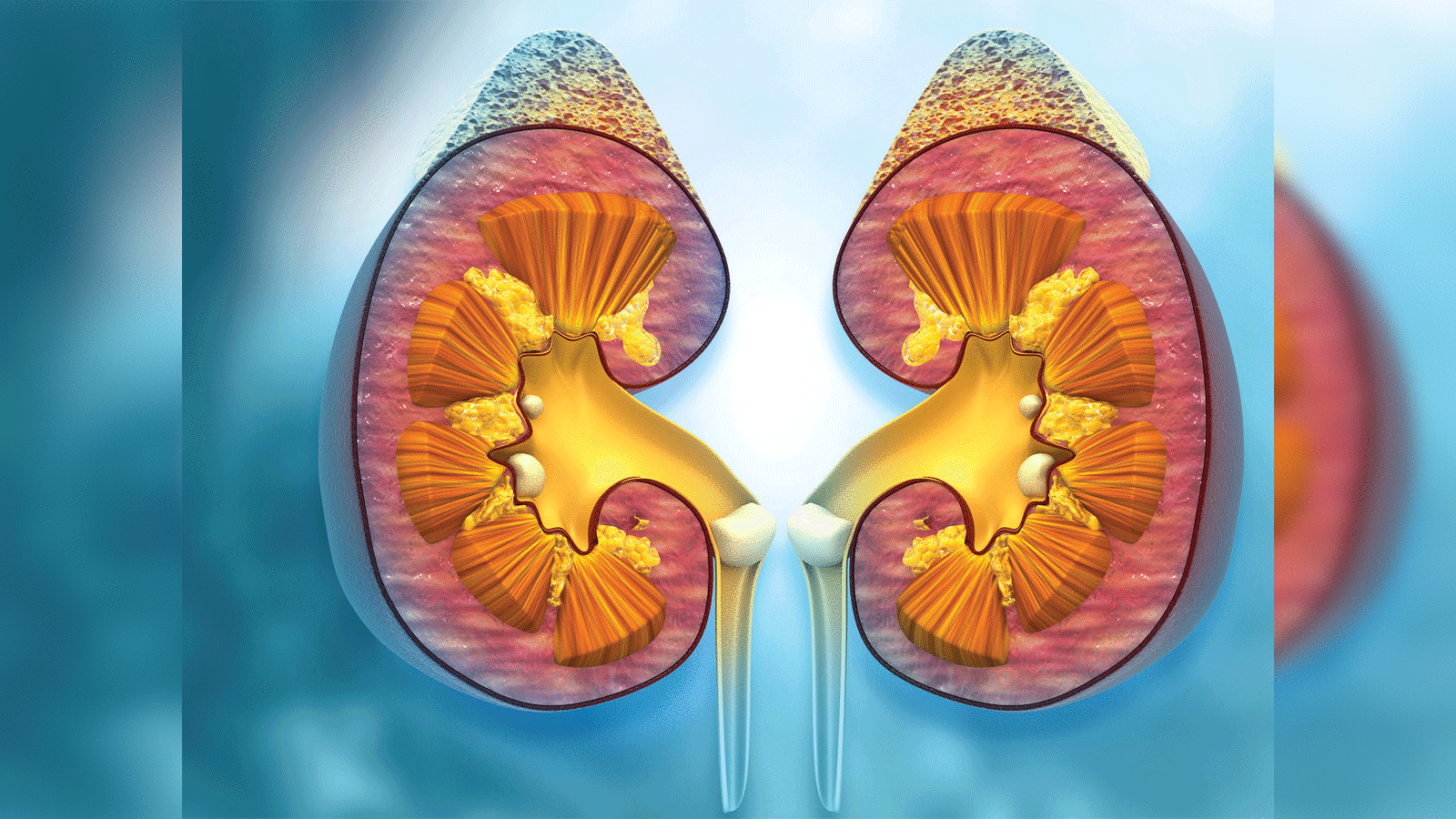
New Delhi, 21 November, 2025: Chronic kidney disease (CKD) has silently climbed the ranks to become one of the world’s top 10 causes of death. What makes this rise especially concerning is that CKD often develops quietly, without obvious symptoms, until the kidneys are severely damaged. By then, treatment options are limited and the risk of life-threatening complications is high.
Two major culprits account for most cases around the world: high blood pressure and diabetes. These conditions, now more common than ever, slowly destroy the kidneys over years. Understanding how they do this is key to preventing CKD — and protecting long-term health.
The Silent Nature of CKD
The kidneys are powerful filters, removing waste and excess fluid from the blood. They also regulate hormones, blood pressure, and red blood cell production. But when they begin to fail, the decline is subtle.
Most people with early CKD feel completely normal. Symptoms such as fatigue, swelling in the legs, changes in urination, or nausea appear only in advanced stages. This quiet progression is why millions of people worldwide have CKD without realizing it.
Why Diabetes Is the Leading Cause of Kidney Failure
Diabetes damages the kidneys in multiple ways, and the harm begins long before symptoms appear.
1. High Blood Sugar Damages Kidney Filters
Each kidney contains tiny filtering units called nephrons. When blood sugar stays elevated, it damages the delicate blood vessels within these filters.
This leads to:
- Reduced filtering ability
- Leakage of proteins into urine
- Gradual scarring of kidney tissue
Over time, the kidneys become less efficient and eventually fail.
2. Inflammation and Oxidative Stress
High blood sugar creates inflammation throughout the body. The kidneys — which constantly filter the blood — are especially sensitive to this inflammatory stress.
3. Diabetes-Related Blood Vessel Damage
Diabetes damages large and small blood vessels. Since kidneys rely on a rich blood supply, reduced circulation accelerates kidney decline.
This combination makes diabetes the number one cause of CKD and kidney failure worldwide.
How High Blood Pressure Destroys Kidneys
High blood pressure (hypertension) is the second biggest driver of CKD. The kidneys filter nearly 180 liters of blood daily, and to do this effectively, they rely on stable pressure inside the blood vessels.
But when blood pressure is consistently high, those vessels take a beating.
1. High Pressure Damages Kidney Blood Vessels
Prolonged force against the vessel walls causes them to stiffen, thicken, and narrow. When this happens:
- Less blood reaches the filtering units
- Waste products accumulate
- Kidney function slowly deteriorates
2. A Vicious Cycle Forms
Damaged kidneys cannot regulate blood pressure well, causing blood pressure to rise even more. This creates a feedback loop where high blood pressure worsens kidney damage, and kidney damage worsens blood pressure.
Why CKD Is Becoming a Global Killer
Several modern lifestyle factors are accelerating the rise of CKD:
1. Increased Rates of Diabetes and Hypertension
Unhealthy diets, sedentary lifestyles, stress, and excess weight are driving unprecedented rates of both conditions.
2. Delayed Diagnosis
Because CKD is silent in early stages, many people are not diagnosed until significant damage has already occurred.
3. Limited Access to Kidney Care
Dialysis and kidney transplants are not easily accessible for many people around the world, making late-stage CKD far more deadly.
4. Complications to the Heart and Brain
CKD dramatically increases the risk of heart attack, stroke, and heart failure — even before kidneys fail. Most people with CKD are more likely to die from cardiovascular disease than from kidney failure itself.
How to Protect the Kidneys — Starting Now
The good news is that early prevention and management can dramatically reduce the risk of CKD.
1. Control Blood Pressure
Keeping blood pressure in a healthy range is one of the most powerful ways to protect the kidneys.
2. Manage Blood Sugar
For people with diabetes:
- Regular monitoring
- Healthy diet
- Medications when needed
are essential to prevent kidney complications.
3. Stay Hydrated
Adequate water intake supports kidney filtration.
4. Exercise Regularly
Physical activity helps maintain healthy blood pressure, weight, and metabolism.
5. Avoid Excessive Salt
Too much salt raises blood pressure and strains the kidneys.
6. Get Routine Kidney Screening
Simple tests — a blood test for creatinine and a urine test for protein — can detect problems early.
7. Limit Use of Painkillers
Regular use of NSAIDs (like ibuprofen) can harm the kidneys over time.
A Growing Threat That Can Still Be Prevented
Chronic kidney disease may now be a top global killer, but it is not unstoppable. Because diabetes and high blood pressure cause most cases, better management of these conditions can dramatically reduce CKD rates worldwide.
By monitoring kidney health, maintaining heart-healthy habits, and taking action early, individuals can avoid the silent progression of CKD — and protect their kidneys, their heart, and their future.













Leave a comment