

New Delhi, 12 August 2025: China is grappling with a fast-escalating outbreak of chikungunya fever, centered in Guangdong province. The mosquito-borne illness has triggered an intense public health response that mirrors tactics used during the COVID-19 pandemic. Officials have launched what is being described as a full-scale “war on mosquitoes.”
Chikungunya Outbreak In China What You Need To Know
The outbreak began in early July with a single case in Foshan’s Shunde District. Within weeks, the number of confirmed infections skyrocketed. By the end of July, thousands of people had been infected across multiple cities, with the majority of cases concentrated in Foshan.
This is now the largest-known chikungunya outbreak in mainland China, with over 7,000 cases reported as of early August. The speed of the spread, combined with the unfamiliarity of the virus in the local population, has triggered an unprecedented response from local health authorities.
China’s Pandemic-Style Response
In an effort to stop the spread of the virus, China has reactivated some of the same strategies it used during the height of the COVID-19 pandemic, and introduced some new ones.
- Drone Surveillance and AI Technology: Drones equipped with cameras and AI are being deployed to locate stagnant water where mosquitoes can breed. These drones scan rooftops, construction sites, and other hard-to-reach areas.
- Biological Control Measures: Larva-eating fish, such as carp, have been released into local water bodies. Authorities have also introduced sterile mosquitoes to reduce breeding populations.
- Widespread Fumigation: Large-scale fumigation efforts are underway in residential and public areas. Insecticide spraying has become routine in streets, parks, and construction zones.
- Targeted Containment Efforts: Homes and workplaces near confirmed cases are being disinfected and sealed off with mosquito nets. Residual repellents and insecticide sprays are also being used within a 100-meter radius of infection sites.
- Use of Protective Bed Nets and Isolation: Hospitals have begun isolating patients under mosquito nets to prevent further spread of the virus. Infected individuals are kept in isolation for up to seven days, depending on their test results.
- Strict Enforcement and Fines: Authorities have implemented tough rules requiring residents to eliminate mosquito breeding grounds. Failure to comply can result in hefty fines, and in some cases, power outages have been used as penalties for repeated violations.
- Public Awareness Campaigns: Educational campaigns are encouraging residents to avoid stagnant water, wear protective clothing, use mosquito repellents, and report symptoms promptly. Awareness drives include rhyming slogans and door-to-door checks.
What Is Chikungunya?
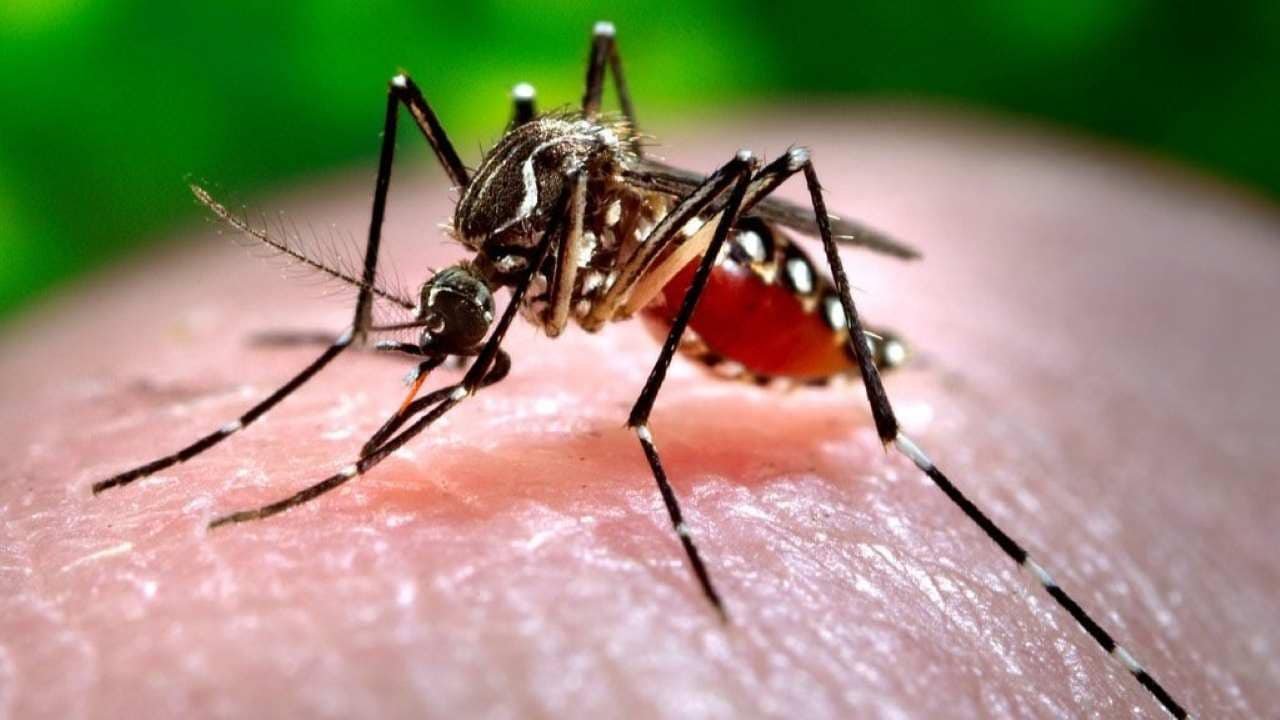
Chikungunya is a viral disease transmitted by the bite of infected Aedes mosquitoes, primarily Aedes aegypti and Aedes albopictus. The illness usually appears 3 to 7 days after a mosquito bite.
Symptoms
The most prominent symptom is severe joint pain, often affecting the hands, wrists, ankles, and knees. Other symptoms include:
- High fever
- Headaches
- Muscle pain
- Skin rashes (especially on the face or limbs)
- Fatigue
- General weakness
While chikungunya is rarely fatal, it can be extremely debilitating. In some cases, joint pain and stiffness may persist for weeks or even months.
Causes and Transmission
Chikungunya is spread through the bite of an infected mosquito. The virus thrives during the monsoon season when there is an abundance of stagnant water—ideal for mosquito breeding.
So far, no vaccine or specific antiviral treatment exists for chikungunya. Treatment generally involves rest, hydration, and medications to reduce fever and joint pain.
Chikungunya Outbreak In China: Why Is This Being Compared to COVID-19?
Although chikungunya is not spread from person to person, the scale and seriousness of China’s response are drawing comparisons to the early days of the COVID-19 pandemic. Measures such as:
- Drones and AI surveillance
- Isolation of infected individuals
- Strict enforcement and fines
- Mass health campaigns
- Vector-control teams operating in full protective gear
…all resemble pandemic-era strategies. The response signals just how seriously China views the potential spread of the disease, even though chikungunya is less contagious than COVID-19.
Recovery and Mortality
Most chikungunya patients recover within 7 days, and the virus typically doesn’t cause death. However, the intense joint pain can significantly impact quality of life. In rare cases, complications can affect the nervous system, heart, or eyes.
The current outbreak in China has not led to any reported deaths. Hospitals report that a majority of patients are discharged within one week, though fatigue and joint pain can linger.
Could India Be at Risk?
The rise in chikungunya cases in China has raised concerns in neighboring countries, especially India, where chikungunya outbreaks are common during the monsoon season. States like Maharashtra, Karnataka, Tamil Nadu, and Delhi have previously reported seasonal spikes in cases.
The virus has already reemerged across parts of Southeast Asia, Africa, and even Europe, with confirmed infections in France and Italy. With climate change expanding mosquito habitats and increasing international travel, the likelihood of outbreaks in nearby countries is rising.
India has seen tens of thousands of chikungunya cases in recent years, and experts warn that the situation in China could be a wake-up call to ramp up vector control and public awareness measures before the virus spreads further.
What India Can Learn from China’s Response
While China’s approach is intensive and technology-driven, several key takeaways can help India prepare for or prevent future outbreaks:
- Early Detection and Mass Testing: Proactive monitoring and testing in high-risk areas can help prevent the spread.
- Targeted Fumigation and Mosquito Control: Using drones and biological methods like larva-eating fish can help reduce mosquito populations.
- Public Awareness and Accountability: Campaigns urging the public to eliminate breeding grounds and adopt preventive behaviors are essential.
- Enforcing Sanitation Laws: Stricter enforcement can ensure households and communities take responsibility for hygiene and cleanliness.
- Better Surveillance Systems: Integrated disease surveillance can help track and contain outbreaks early.
While chikungunya may not be as deadly or contagious as COVID-19, the outbreak in China serves as a stark reminder of how quickly mosquito-borne viruses can spiral out of control in densely populated regions.
The comprehensive measures being implemented—ranging from drone surveillance and biological control to strict penalties—demonstrate the seriousness of the threat. As India braces for peak monsoon, health authorities must remain vigilant and proactive to prevent a similar outbreak.
















Leave a comment