

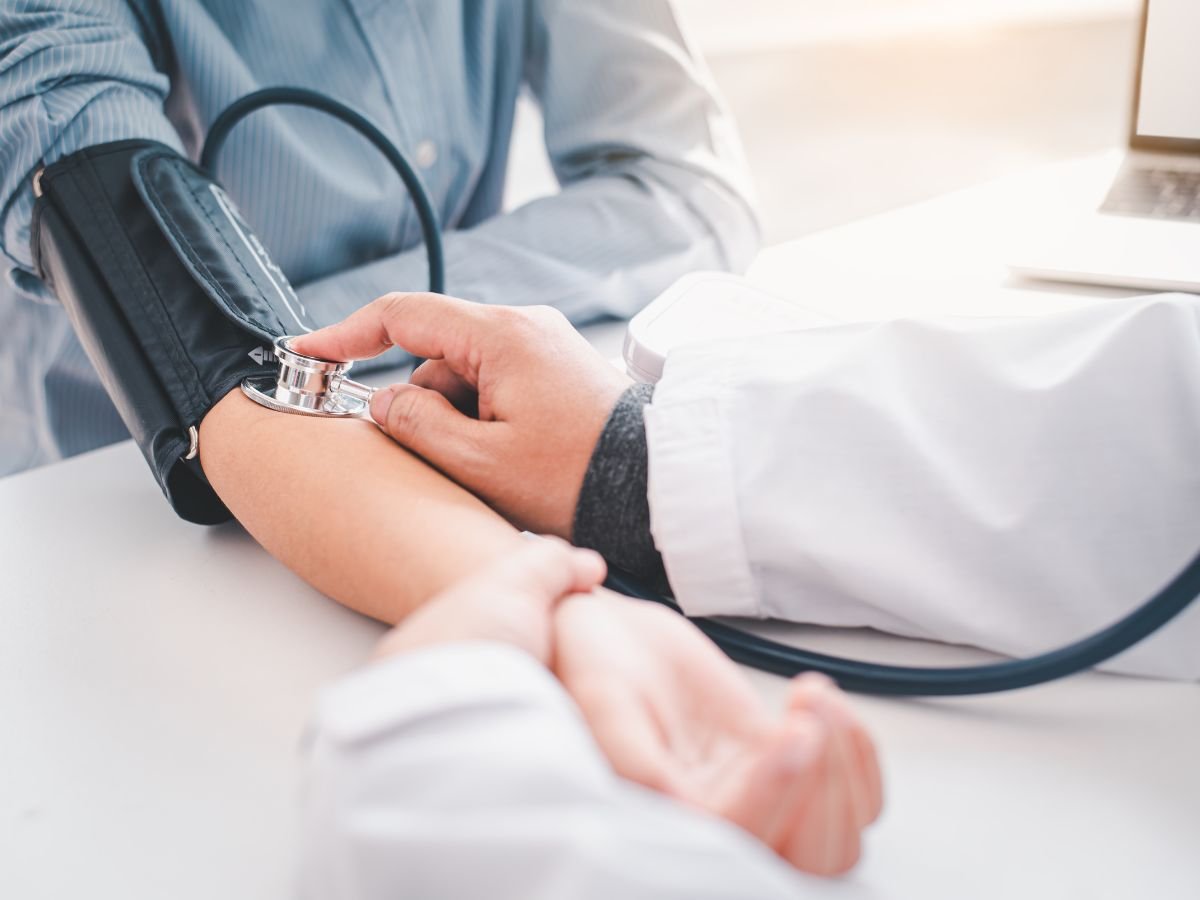
High blood pressure, also known as hypertension, is a condition where the pressure in your blood vessels spikes above 140/90. According to the World Health Organization (WHO), high BP can be serious if left untreated. Some of the common factors that contribute to high BP include older age, genetics, obesity, sedentary lifestyle, high sodium intake and drinking too much alcohol.
Checking Blood Pressure At Home?
With growing concerns about the consequences of untreated high blood pressure, taking a BP test has become a common practice worldwide. However, most people don’t get the right readings for several reasons. In a recent Instagram post shared on February 18, Dr. Pramod Tripathi, who specialises in diabetes management, walks us through ten mistakes you should avoid while checking BP at home.
View this post on Instagram
A post shared by DrPramod Tripathi (@diabetesreversaldoctor)
Ten Mistakes To Avoid While Checking BP At Home
- Keeping the feet dangling in the air: Ensure to keep your feet flat on the ground while checking the BP
- Criss-crossing the feet: Avoid keeping your legs crossed, as this can increase the BP reading
- Keeping the bladder full: Always empty your bladder before checking your BP
- Keeping your back upright and straight: Always keep your back nicely relaxed while checking your BP
- Keeping clothing between the BP machine and skin: Place the BP machine against the skin for accurate BP reading
- Keep the tube inside, not on the outside: For an analogue BP reading machine, keep the tube facing towards the body
- Support the arm: Keep the arm well supported at the level of the heart, not above or below.
- Avoid talking while taking blood pressure: Do not talk while checking the BP for an accurate reading
- Limit tea and coffee: These beverages should be consumed at least half an hour before checking the BP
- Manage stress: Avoid checking BP while being stressed or right after exercising
“Take two readings, five minutes apart and then take the average of both readings. Ideally, the BP needs to be below 130/80. The upper one which is called systolic, if it is going above 130/140, it could mean that your arteries are getting stiffer with age,” Dr. Tripathi explained at length. “And if your lower BP is rising which is called diastolic, it means the smaller arteries far away from the heart are also getting tighter because of more insulin or sympathetic nervous system stimulation, i.e, stress or salt.”
The Centres for Disease Control and Prevention (CDC) states, “High blood pressure can damage your health in many ways. It can seriously hurt important organs like your heart, brain, kidneys, and eyes. The good news is that, in most cases, you can manage your blood pressure to lower your risk for serious health problems.” The diabetologist also advises increasing your magnesium and nitric oxide to regulate blood pressure and blood flow.
The content is only for informational purposes. It is not at all professional medical advice. Always consult your doctor or a healthcare specialist for any questions regarding your health or a medical condition.
- Blood Pressre
- Blood Pressure
- Blood Pressure Cuff Placement
- Blood Pressure Mistakes
- BP Measurement Errors
- BP Measurements
- Checking Blood Pressure At Home
- Common BP Monitoring Mistakes
- Diabetes
- Diabetes And Blood Pressure
- Diabetologist
- Diabetologist Advice
- Digital BP Monitor Tips
- heart health tips
- High Blood Pressure Prevention
- Home Blood Pressure Monitoring
- How To Check Blood Pressure Accurate BP Reading Tips
- Hypertension Management













Leave a comment