

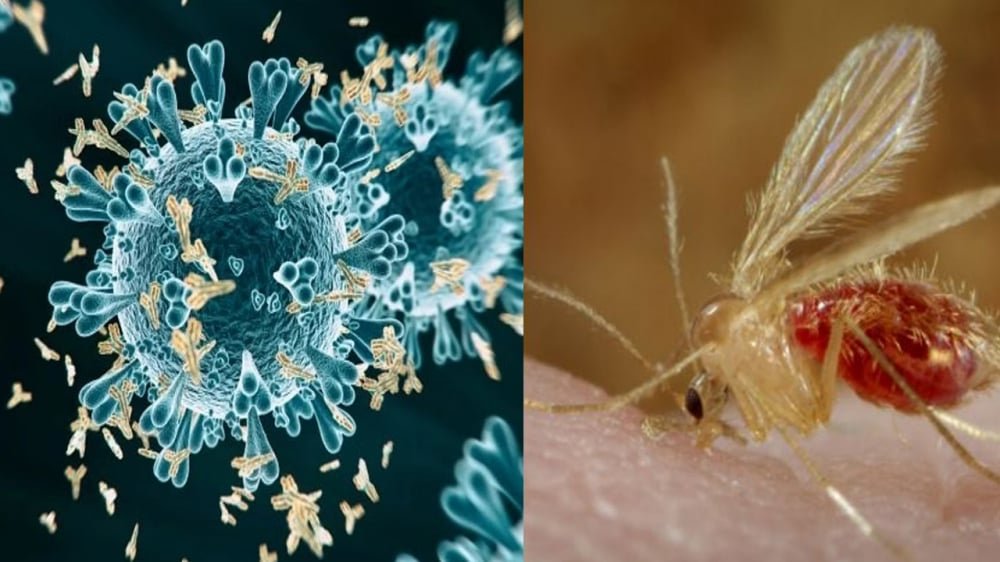
At least four children have died and two others are undergoing treatment in Gujarat’s Sabarkantha district for suspected infection of Chandipura virus, an official said Saturday.
“Two suspected cases are still undergoing treatment at the civil hospital at Himmatnagar in the district,” an official told the media.
Paediatricians at the Himmatnagar civil hospital had suspected the role of the Chandipura virus after four children died there on July 10, officials said.
Two other children admitted to the hospital have displayed similar symptoms. They also seem to be infected by the same virus, Sutariya said.
Of the four children who have died so far, one was from Sabarkantha district and two were from neighbouring Aravalli district. The fourth child hailed from Rajasthan.
The two children being treated at the hospital are also from Rajasthan, he said.
The authorities in Rajasthan have been informed about the death of the child due to the suspected viral infection, Sutariya said.
“We have sent all six samples, including those of four children who have died, to NIV in Pune,” he added.
To curb the infection, the district authorities have deployed teams to conduct preventive measures, including dusting to kill sandflies in affected areas, officials said.
What Is Chandipura Virus: All You Need To Know
The Chandipura virus is part of the Rhabdoviridae family and spreads mainly through the bites of infected sandflies. This virus primarily affects children, causing symptoms such as high fever, seizures, confusion, and coma. The disease progresses rapidly, often leading to fatal outcomes, as recently seen in Gujarat. Early detection and swift medical action are crucial for managing infections caused by the Chandipura virus.
Symptoms and Diagnosis: Spotting Encephalitic Infection
Infected individuals may initially show flu-like symptoms like fever, headache, and muscle aches. As the infection worsens, serious neurological symptoms like seizures, altered mental states, and paralysis can occur. Diagnosing Chandipura virus infection requires special lab tests to find the virus in the patient’s blood or cerebrospinal fluid. Early diagnosis is key to starting the right treatment and avoiding severe complications.
Transmission and Risk Factors: How Chandipura Spreads
The Chandipura virus spreads mainly through bites from infected sandflies of the Phlebotomus genus. These small insects are most active at night, raising the risk for those living near sandfly habitats. Factors like poor sanitation, crowding, and lack of measures to control these vectors help spread the virus. Controlling mosquitoes and educating people about preventive steps are vital to reducing its transmission.
Prevention and Control: Reducing the Chandipura Threat
Preventing Chandipura virus infections involves multiple strategies including vector control, community education, and vaccination. Measures like insecticide spraying, using bed nets, and maintaining cleanliness help reduce sandfly populations and limit human bites. Educating the community on personal hygiene, avoiding sandfly bites, and seeking swift medical care can help protect against the virus.















Leave a comment