Home COVID 19 Centre Issues Guidelines For Management Of Black Fungus In Kids Below 18
COVID 19Latest NewsSpotlight

Centre Issues Guidelines For Management Of Black Fungus In Kids Below 18

Share
Share

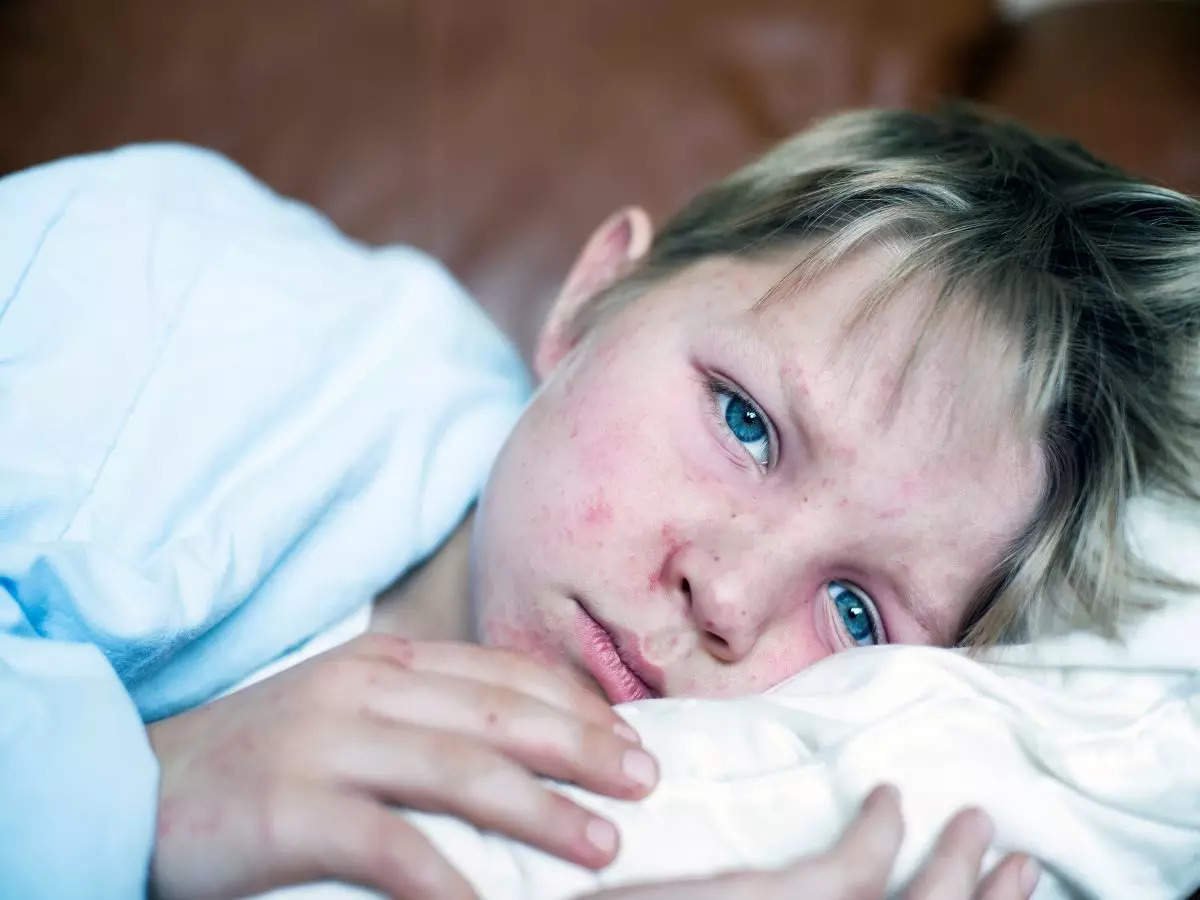
New guidelines have been issued by the Centre for treating Mucormycosis or black fungus disease in children below the age of 18 years.

According to the new guidelines issued by Director General of Health Services (DGHC) under the Union Health Ministry, Black Fungus is a serious fungal infection seen in patients with previous conditions like immunosuppression, poorly controlled diabetes mellitus, misuse/overuse of steroids, cancer, organ/stem cell transplantation, and those under prolonged ICU treatment.

Under the guidelines, DGHC has advised not to wait for culture results to initiate therapy as mucormycosis is an emergency. “Early complete surgical debridement is the cornerstone of treatment, and maybe repeated as required,” the DGHC said in its guideline.

According to the guidelines, “Conventional Amphotericin B as a prolonged IV infusion through a central venous catheter or PICC; closely monitor kidney function and electrolytes during treatment. Reconstitute in water for injection, and dilute in 5 per cent dextrose (do not use normal saline/Ringer’s lactate, start with test dose: 1 mg IV infusion over 20-30 minute. Loading dose: 0.25-0.5 mg/kg IV infused over 2-6 hours; gradually increase by 0.25 mg-increments/day to reach maintenance dose: 1-1.5 mg/kg/day.”

“Liposomal Amphotericin B or Amphotericin lipid complex, if available; prolonged infusion over 2-3 hours through a central venous catheter or PICC and closely monitoring KFT and electrolytes. Reconstitute in water for injection, and dilute in 5 per cent dextrose (do not use normal saline/Ringer’s lactate); start full dose from first day; 5 mg/kg/day (10 mg/kg/day in case of CNS involvement),” it said.

It has also advised saliva therapy for cases who cannot be given Amphotericin B. Children below 11 years of age should be given – 7-12 mg/kg/dose IV twice on the first day and maintenance dose – 7-12 mg/kg IV once a day, starting on the second day,” it added.

Share

Leave a comment

Leave a Reply

Your email address will not be published. Required fields are marked *

Don't Miss

Latest News

5 Common Foods That Are Slowly Damaging Your Liver

The liver is one of the most vital organs in the body, responsible for detoxification, metabolizing nutrients, and regulating essential biochemical processes, and...

Latest News

How Stress Is Affecting Your Immunity—and What You Can Do About It

Chronic stress has a profound and often underestimated impact on the immune system, influencing the body’s ability to fight infections, heal wounds, and...

Latest News

Why Sleep Deprivation Is the Hidden Cause of Weight Gain and Fatigue

Sleep deprivation is increasingly recognized as a major but often overlooked factor contributing to weight gain and persistent fatigue, and understanding its effects...

Foods For Heart Health
Latest News

10 Morning Habits That Can Lower Your Risk of Heart Disease

Starting your day with healthy habits can have a significant impact on your long-term heart health, and adopting certain morning routines may help...

Latest News

Nipah Virus Infection in India 2026: WHO Updates, Symptoms, Risks, and Safety Measures

On 26 January 2026, the World Health Organization (WHO) was notified by India’s National IHR Focal Point of two confirmed cases of Nipah...

Section title

Related Articles
Latest News

Silent Struggle: Over 15 Million Indians Live with Epilepsy, Experts Stress Early Diagnosis and Care

Epilepsy, a neurological disorder that causes recurrent seizures, affects more than 15...

Latest News

Aishwarya Mohanraj Opens Up About Weight Loss Journey With Mounjaro, Sparks Health and Fitness Conversations

Comedian and content creator Aishwarya Mohanraj has recently become the center of...

Parkinson's Disease
Latest News

Parkinson’s Disease: How the Interaction of Two Genes Triggers Neurodegeneration

Parkinson’s disease (PD) is one of the most common neurodegenerative disorders in...

×