

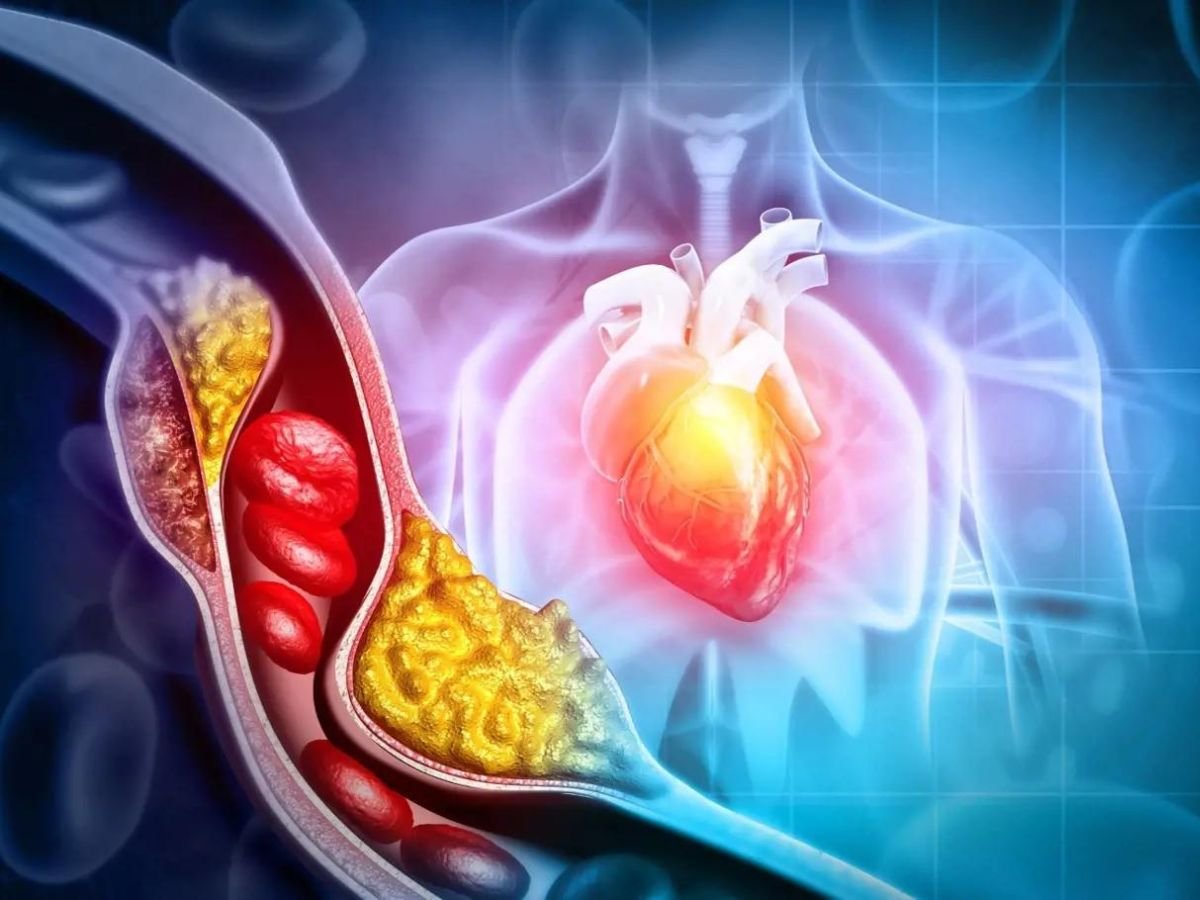
New Delhi, 16 June 2025: Uncontrolled blood cholesterol levels are among the leading yet often overlooked causes of heart attacks, say cardiologists and health experts. Cholesterol is a fatty substance found in your blood that is essential for building cells and hormones, but when its levels become abnormally high—especially low-density lipoprotein (LDL) or “bad” cholesterol—it can silently damage the cardiovascular system. Excess LDL cholesterol accumulates in the walls of arteries, leading to the formation of plaques that narrow or block blood vessels. This condition, known as atherosclerosis, restricts blood flow to the heart, potentially causing chest pain (angina) or a sudden, life-threatening heart attack when a plaque ruptures and forms a blood clot.
According to the World Health Organization, raised cholesterol is estimated to cause 2.6 million deaths annually, largely due to cardiovascular diseases. Experts say that high cholesterol doesn’t usually cause symptoms until it’s too late, earning it the nickname “silent killer.” People with uncontrolled cholesterol may feel perfectly fine for years, even as damage continues to build in the background. This is why routine screening and timely intervention are critical. A lipid profile test can measure total cholesterol, LDL, HDL (“good” cholesterol), and triglycerides—providing valuable insights into your heart health.
Cardiologists warn that a heart attack can often be the first sign of high cholesterol in people who have never undergone a cholesterol check. When LDL levels are high and HDL is low, plaques can develop faster. If one of these plaques breaks open, the body treats it like an injury and forms a clot, which can completely block blood flow to a part of the heart muscle. This results in a heart attack, also called a myocardial infarction. Left untreated, it can cause permanent heart damage or even sudden cardiac death. Risk factors such as a sedentary lifestyle, unhealthy diet, smoking, excessive alcohol use, obesity, diabetes, and a family history of heart disease can further accelerate this process.
Managing cholesterol levels is key to preventing cardiovascular complications. Doctors typically recommend lifestyle modifications such as regular aerobic exercise, a heart-healthy diet rich in fibre and low in saturated fats, quitting smoking, reducing alcohol intake, and managing stress. In cases where lifestyle changes aren’t enough, cholesterol-lowering medications such as statins may be prescribed to reduce LDL and stabilize existing plaques. These medicines help reduce the risk of future heart attacks, strokes, and other cardiovascular events. Patients who have already suffered a heart attack or are at high risk due to multiple risk factors are especially encouraged to keep their cholesterol in check through both medical and non-medical interventions.
Men over the age of 40 and women over 50 are strongly advised to undergo annual lipid testing, especially if they have other conditions like high blood pressure, diabetes, or a family history of early heart disease. Children and teens with obesity or genetic predisposition should also be screened to detect inherited lipid disorders early. Silent plaque buildup can begin as early as childhood, especially in people with familial hypercholesterolemia, a genetic condition that causes extremely high cholesterol levels from a young age.
In conclusion, uncontrolled cholesterol levels significantly raise the risk of heart attacks, often without warning signs. It is a preventable risk factor that can be managed effectively through awareness, routine screening, and proactive health measures. Cardiologists stress that early detection is crucial because once a heart attack occurs, the damage may be irreversible. Keeping your cholesterol within healthy limits is not just a medical recommendation—it’s a life-saving strategy.












Leave a comment