


Diabetes and hypertension are two of the most common non-communicable diseases in the world and both of them are the leading causes of CKD. What makes this triad so concerning is that kidney damage often occurs without symptoms and there are minimal symptoms until significant kidney damage has already occurred. Therefore, understanding their interconnection is important for prevention, early detection and preservation of long-term health.
Diabetes and kidney damage
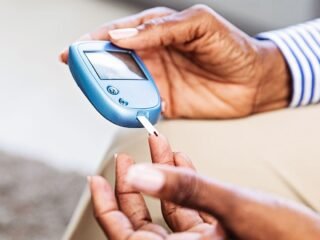
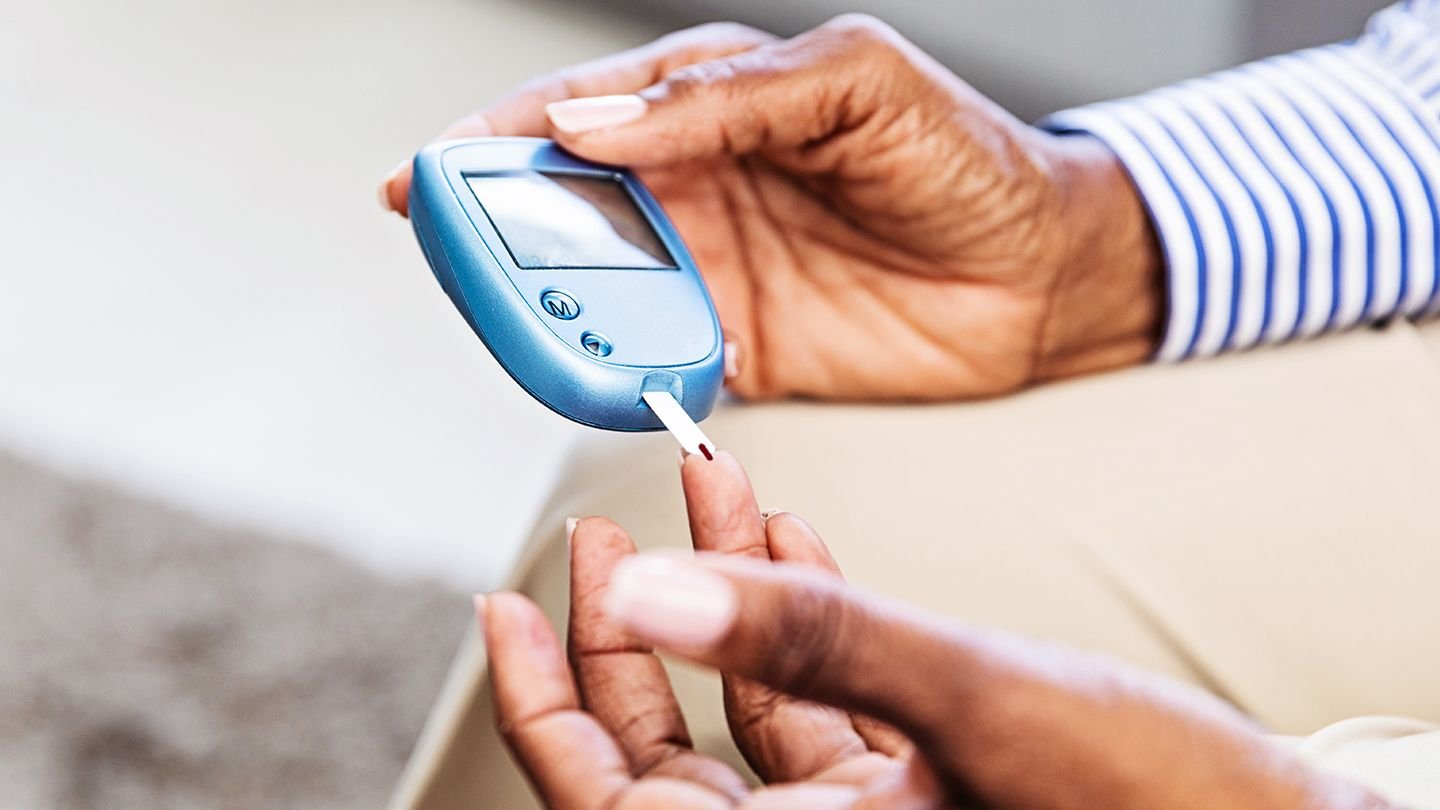
Dr. Jeena Raju Kudunthail, MBBS, MS, MCh Urology at Holy Family Hospital, Bandra, said that in diabetes, high blood sugar levels are present for long periods of time, which cause damage to small blood vessels throughout the body including the small filtering units of the kidney called glomeruli. Eventually, the kidneys are reduced in their capacity to filter waste products and extra fluid. She said that this condition is known as diabetic nephropathy and is a common cause of kidney failure around the world.
“Early in the disease, this can be detected only by lab tests that show microalbuminuria, small amounts of protein leaking into the urine. Later, there may be an increased leakage of protein, slow decreasing function of kidneys, complications including swelling, tiredness, as well as poor blood pressure control,” she said. “Strict glycemic control has been shown to significantly reduce the risk of kidney complications and a yearly urine albumin check and a yearly eGFR check is recommended for monitoring.”
Hypertension and strain on kidneys
Dr. Kudunthail further notes that when it comes to hypertension, commonly known as high blood pressure, it “occurs when the force of the blood presses against the artery walls over time”, which may have an effect on the blood vessels in the kidneys. “The narrowing of the arterial walls and the increased thickness of the arterial walls contributes to the decreased blood flow into the kidneys, and vice versa,” she said. “Damage to the kidneys leads to elevated blood pressure that in turn leads to more kidney damage and so on, and this is a positive feedback mechanism.”
Risks of kidney damage
According to the urologist, hypertension in turn promotes the progression of CKD and a heart attack or stroke. Diabetes and hypertension usually occur hand in hand and the risk for kidney disease is much higher in this combination. Other risk factors include being overweight or obese, smoking, lack of exercise, high salt intake and having family history of kidney disease.
Symptoms and prevention
Regular screening is very helpful to people at risk of kidney disease as most people are typically asymptomatic. The doctor notes that most diagnoses are significant only when the kidneysare severely damaged, i.e., after swelling, decreased urine, nausea or difficulty in breathing occurs. Some of the prevention tips involve lifestyle modifications and medical treatment which includes:
- Maintaining appropriate blood sugar levels
- Keeping blood pressure within a target range
- Reducing salt intake
- Following a balanced, kidney-friendly diet
- Staying physically active
- Avoiding tobacco use
- Undergoing periodic health evaluations
Dr. Kudunthail also highlights that newer diabetic drug classes with renal protective properties have also improved outcomes for patients at risk of CKD if diabetes is diagnosed and treated early enough․ The urologist suggests that identification, screening and early management may lower the risk of complications․
The content above is only for informational purposes. It is not at all professional medical advice. Always consult your doctor or a healthcare specialist for any questions regarding your health or a medical condition.













Leave a comment