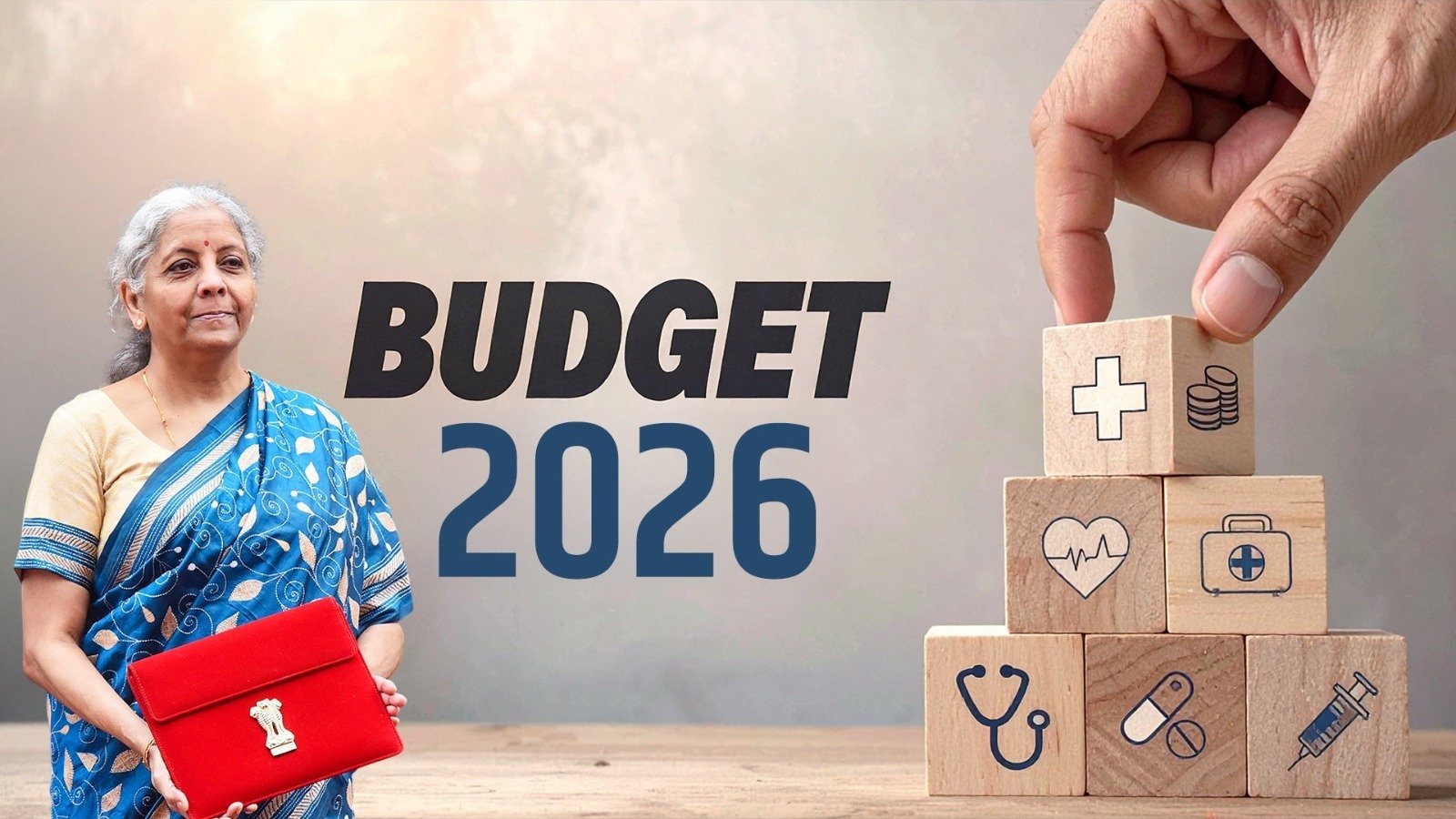
The Indian government’s Budget 2026 has once again highlighted healthcare as a priority, reflecting the country’s ongoing need to strengthen public health infrastructure and improve access to medical services. With rising costs of treatment, an increasing burden of chronic diseases, and lessons from recent public health crises, the budget allocation and policy measures in healthcare are critical for citizens to understand. This year, the focus is expected to balance preventive care, hospital capacity, and digital health initiatives, ensuring that both urban and rural populations benefit.
Increased Funding for Public Health Infrastructure
Budget 2026 is expected to allocate a significant portion of funds to expand and modernize public hospitals and primary health centers (PHCs). This includes upgrading medical equipment, expanding ICU and emergency facilities, and improving access to specialized care in smaller towns and rural areas. Citizens can expect better availability of essential services, shorter waiting times, and improved infrastructure at government health facilities. Investments in public health infrastructure also aim to reduce out-of-pocket expenses for families, making healthcare more affordable and accessible.
Emphasis on Preventive Healthcare
One of the major trends in the 2026 budget is a renewed focus on preventive and community healthcare. Programs aimed at early detection of chronic diseases such as diabetes, hypertension, and cancers are expected to receive funding. Vaccination drives, awareness campaigns, and public health screenings are prioritized to catch health issues before they become severe. Citizens should anticipate greater access to free or subsidized preventive services, including health check-ups at local clinics and mobile medical units in underserved areas.
Digital Health and Technology Initiatives
The budget is likely to continue investment in digital health technologies, including telemedicine, electronic health records, and AI-driven diagnostics. These initiatives aim to bridge the urban-rural healthcare divide, allowing patients in remote regions to access specialist consultations and faster diagnostic services. Citizens can expect more teleconsultation services, online appointment systems, and digital monitoring of chronic conditions, which could reduce travel costs and improve treatment adherence.
Support for Affordable Medicines and Insurance
Rising medicine costs and hospital bills remain a challenge for many households. Budget 2026 is expected to increase subsidies for essential drugs and promote domestic pharmaceutical manufacturing to reduce dependency on imports. Health insurance schemes may receive expanded support, with a focus on covering outpatient care and preventive services, which have traditionally been under-covered. Citizens may benefit from enhanced insurance coverage, lower medicine costs, and simplified claim processes in the coming year.
Focus on Maternal and Child Health
Another key area of attention is maternal and child health, with the government likely to fund programs aimed at reducing maternal mortality, improving nutrition, and ensuring immunization for children. Expect measures that strengthen pre- and post-natal care, expand neonatal facilities, and provide better access to essential nutrition supplements, particularly in rural and semi-urban regions. Citizens should anticipate enhanced support for pregnant women and young families through government programs.
Encouraging Research and Workforce Development
Budget 2026 also emphasizes investment in medical research, healthcare workforce training, and skill development. By funding medical colleges, research grants, and training programs for nurses and paramedics, the government aims to address the shortage of skilled healthcare professionals. Citizens may see improved availability of trained doctors, paramedics, and specialized medical staff, enhancing overall care quality across hospitals and clinics.
What Citizens Should Do
While the government is focusing on increasing access and affordability, citizens can proactively benefit from these initiatives by participating in preventive health programs, enrolling in government insurance schemes, and using digital health platforms. Staying informed about local health initiatives and government announcements can ensure timely access to services and financial support.
Budget 2026 signals a stronger commitment to healthcare, emphasizing preventive care, public infrastructure, digital health, and affordable medicines. Citizens should expect improved hospital facilities, expanded preventive services, better insurance coverage, and greater access to digital consultations, particularly in rural and semi-urban areas. While challenges remain, the budget lays a foundation for a healthier India by making healthcare more accessible, affordable, and technology-enabled for all.