

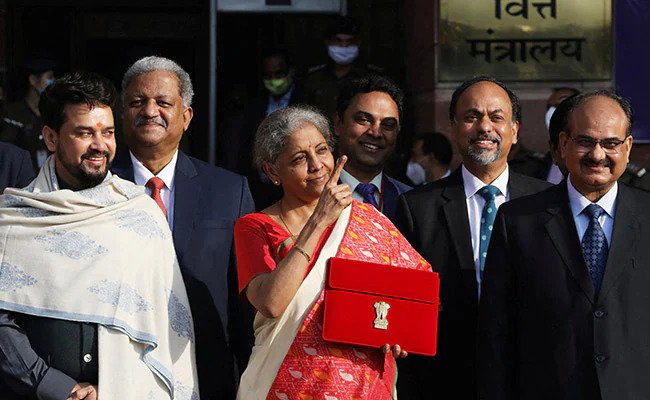
As India prepares for Union Budget 2026, public health has once again moved to the centre of policy debate. A new health economics study has renewed calls for a substantial increase in government healthcare expenditure, warning that current spending levels remain insufficient to meet the country’s growing disease burden, ageing population, and rising costs of medical care.
Despite incremental increases in recent budgets, India’s public healthcare investment continues to lag behind global benchmarks—raising concerns about system resilience, affordability, and preparedness for future health emergencies.
India’s Healthcare Spending: Where It Stands Today
India currently spends around 2.1–2.3 per cent of its GDP on health, including both public and private expenditure. However, government spending alone accounts for just about 1.3–1.5 per cent of GDP, significantly lower than the global average of nearly 6 per cent and well below the World Health Organization’s recommended threshold for universal health coverage.
The new study highlights that low public spending forces households to rely heavily on private care, leading to:
- High out-of-pocket expenses
- Delayed diagnosis and treatment
- Increased medical impoverishment
Nearly 55–60 per cent of total health spending in India still comes directly from people’s pockets, one of the highest rates among major economies.
Rising Disease Burden and Demographic Pressure
The study points out that India is facing a dual health challenge:
- A continued burden of infectious diseases
- A rapid rise in non-communicable diseases (NCDs)
Heart disease, diabetes, cancer, chronic respiratory illness, and stroke now account for over 60 per cent of all deaths in the country. At the same time, India’s population aged 60 and above is expanding rapidly, increasing demand for long-term care, diagnostics, and hospital services.
Without a proportional increase in public healthcare funding, experts warn that the system may struggle to manage both preventive and curative care demands.
Gaps in Primary and Preventive Healthcare
According to the study, underinvestment in primary healthcare remains a major structural weakness. Many public health facilities face:
- Shortages of doctors, nurses, and specialists
- Inadequate diagnostic infrastructure
- Limited access to essential medicines
Primary care is considered the most cost-effective level of healthcare, yet it receives a smaller share of funding compared to tertiary and urban hospital services. Strengthening this layer could significantly reduce the burden on hospitals and improve early disease detection.
Health Emergency Preparedness Remains Fragile
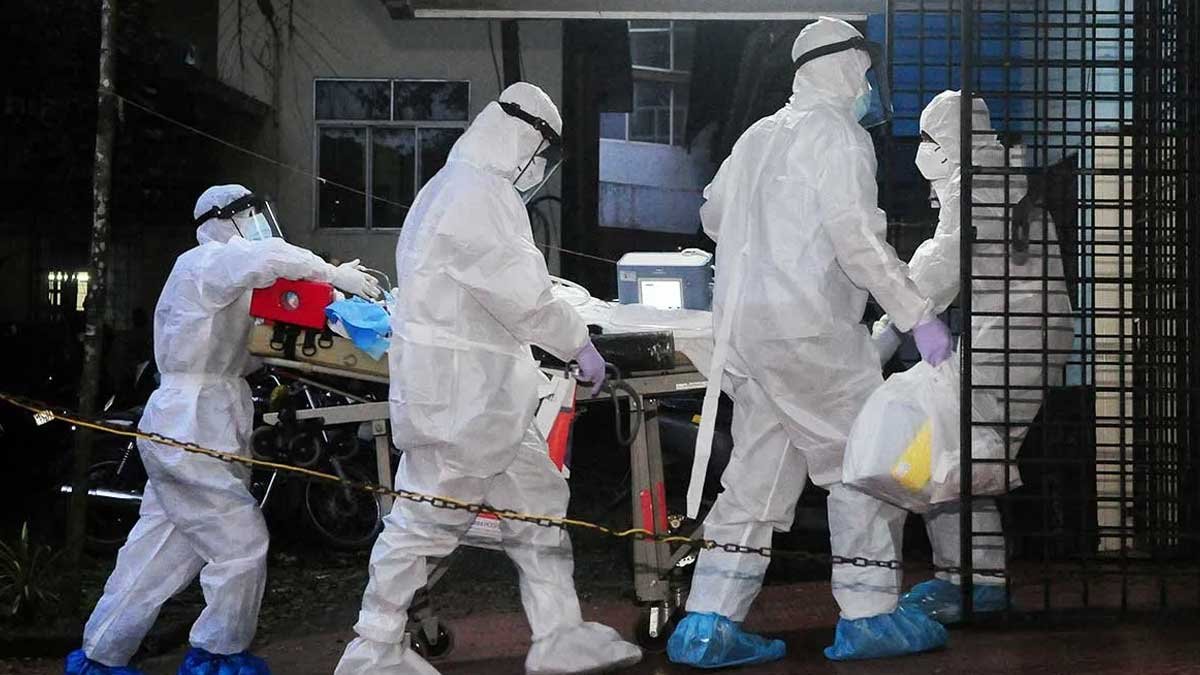
The study also flags concerns about India’s readiness for future outbreaks and climate-linked health crises. The COVID-19 pandemic exposed critical gaps in:
- Surveillance systems
- Intensive care capacity
- Medical supply chains
- Public health workforce strength
With emerging infectious diseases and climate-related health risks becoming more frequent, researchers argue that underfunded public health systems could leave the country vulnerable to large-scale emergencies.
What the Study Recommends for Budget 2026
The report urges the government to:
- Gradually raise public healthcare spending to at least 2.5–3 per cent of GDP
- Increase allocations for primary healthcare and disease prevention
- Expand funding for mental health, nutrition, and maternal care
- Invest in health workforce training and retention
- Strengthen public health surveillance and research
Such investments, the study notes, would not only improve health outcomes but also support economic growth by reducing productivity losses caused by illness.
Economic Impact of Underfunding Healthcare
Healthcare underinvestment has far-reaching economic consequences. The study estimates that preventable illness and premature deaths cost India billions of dollars annually in lost productivity. Families pushed into poverty due to medical expenses further strain social welfare systems.
In contrast, higher public health spending is associated with:
- Lower household health costs
- Better workforce participation
- Improved life expectancy
- Greater social equity
The Budget 2026 Moment
Health experts argue that Budget 2026 presents a critical opportunity to reset India’s healthcare priorities. With lessons from recent health crises still fresh, the study emphasizes that incremental increases may no longer be enough.
A sustained, multi-year commitment to public healthcare funding, it concludes, is essential to building a resilient system capable of protecting lives, reducing inequality, and ensuring long-term economic stability.














Leave a comment