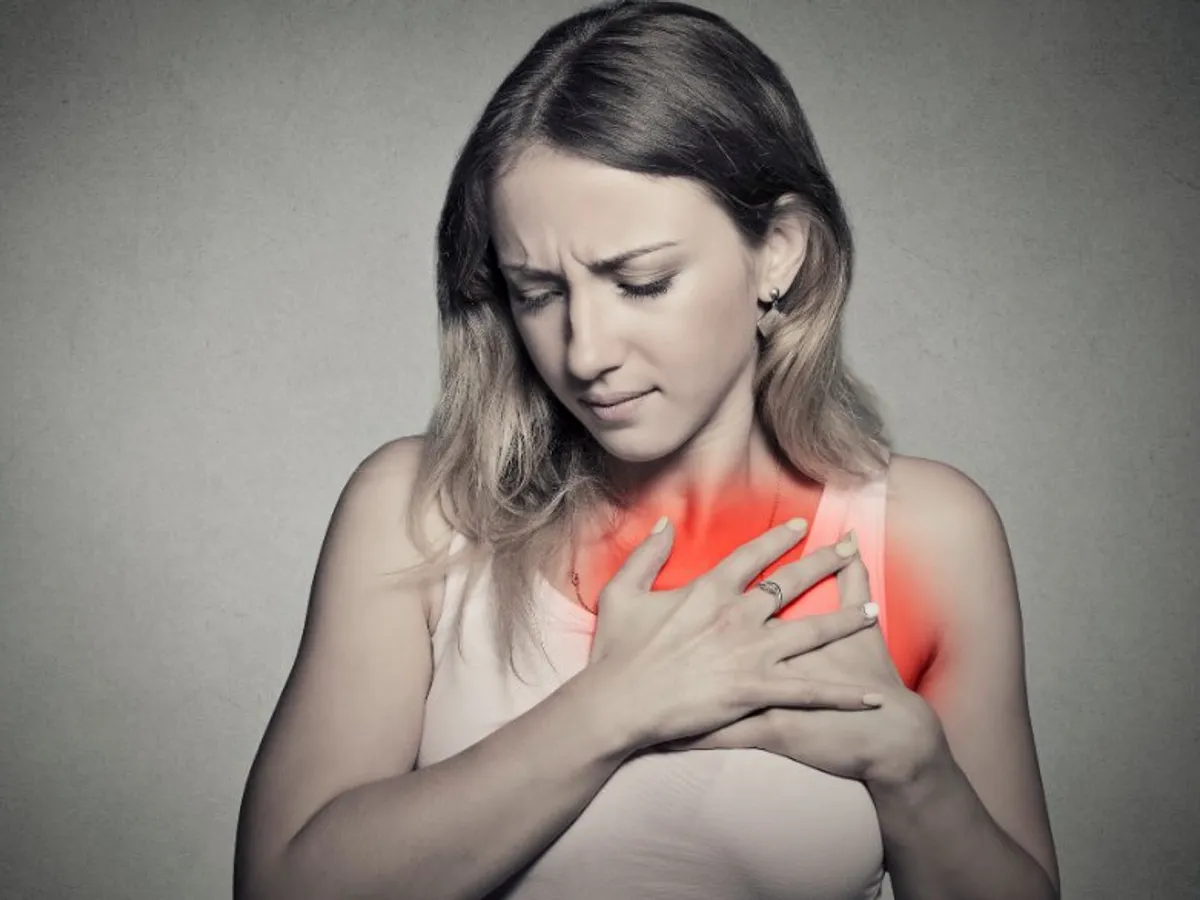
When we hear the phrase “broken heart,” most of us think of heartbreak, sadness, or the end of a relationship. But medical science has revealed that a broken heart is more than just an emotional expression—it can have real, physical effects on the heart. Known clinically as Takotsubo cardiomyopathy, or more commonly, Broken Heart Syndrome, this condition shows how emotional stress can sometimes mimic the symptoms of a heart attack.
What Is Broken Heart Syndrome?
Broken Heart Syndrome is a temporary heart condition often triggered by extreme emotional or physical stress. While it is not the same as a traditional heart attack, its symptoms can be startlingly similar, including:
- Chest pain
- Shortness of breath
- Irregular heartbeat
- Weakness or fainting
Unlike a typical heart attack caused by blocked arteries, Broken Heart Syndrome occurs when stress hormones—particularly adrenaline—temporarily stun the heart. This leads to changes in the heart’s pumping function, especially in the left ventricle, which can balloon outward in a distinctive shape seen on imaging scans.
Emotional Triggers That Can Affect the Heart
Dr. Tirupati Goswami, a cardiologist at Medanta Hospitals, explains: “Intense emotional experiences, both negative and positive, can trigger Broken Heart Syndrome. Common triggers include the death of a loved one, relationship breakups, extreme fear, or even overwhelming joy.”
In fact, studies show that nearly 90% of cases occur in women, particularly post-menopausal women, who may be more sensitive to sudden surges of stress hormones. Other triggers can include:
- Serious illness or surgery
- Financial crises
- Workplace stress
- Major life changes
Why Emotional Stress Affects the Heart
The connection between the brain and the heart is complex. When the body perceives stress, the brain signals the release of adrenaline and other stress hormones. While these hormones are crucial for survival in short bursts, excessive surges can:
- Temporarily weaken the heart muscles
- Cause abnormal heart rhythms
- Narrow blood vessels, reducing blood flow
Dr. Tirupati Goswami adds: “This is why someone can have all the classic symptoms of a heart attack—chest pain, shortness of breath, sweating—even when their arteries are clear. The heart is essentially ‘stunned’ by the emotional event.”
How Is Broken Heart Syndrome Diagnosed?
Since Broken Heart Syndrome mimics a heart attack, it is often first treated as one in emergency settings. Diagnosis typically involves:
- Electrocardiogram (ECG): Checks for irregular heartbeats
- Blood tests: Look for markers of heart muscle damage
- Echocardiogram: Visualizes heart function and detects abnormal movement of the left ventricle
- Coronary angiogram: Confirms that arteries are not blocked
Unlike traditional heart attacks, patients with Broken Heart Syndrome usually recover fully within a few days to a few weeks, with proper care.
Treatment and Recovery
Treatment focuses on stabilizing the heart and reducing stress on the heart muscle. This may include:
- Medications such as beta-blockers or ACE inhibitors
- Pain relief and anti-anxiety measures
- Lifestyle changes, including stress management techniques like meditation, yoga, or counseling
Most patients fully recover, but follow-up is important because recurrence, though rare, can occur.
Listen to Your Heart—Literally
While heartbreak may feel purely emotional, Broken Heart Syndrome reminds us that the heart and mind are deeply connected. Dr. Tirupati Goswami, advises:”Don’t ignore chest pain, shortness of breath, or unusual fatigue, especially after a stressful event. Emotional stress is real, and it can affect your heart just as much as physical factors like high blood pressure or cholesterol.”
Managing stress, seeking emotional support, and paying attention to your body’s signals can help protect both your heart and mind. Remember, taking care of your emotional health is just as crucial as maintaining your physical health.