

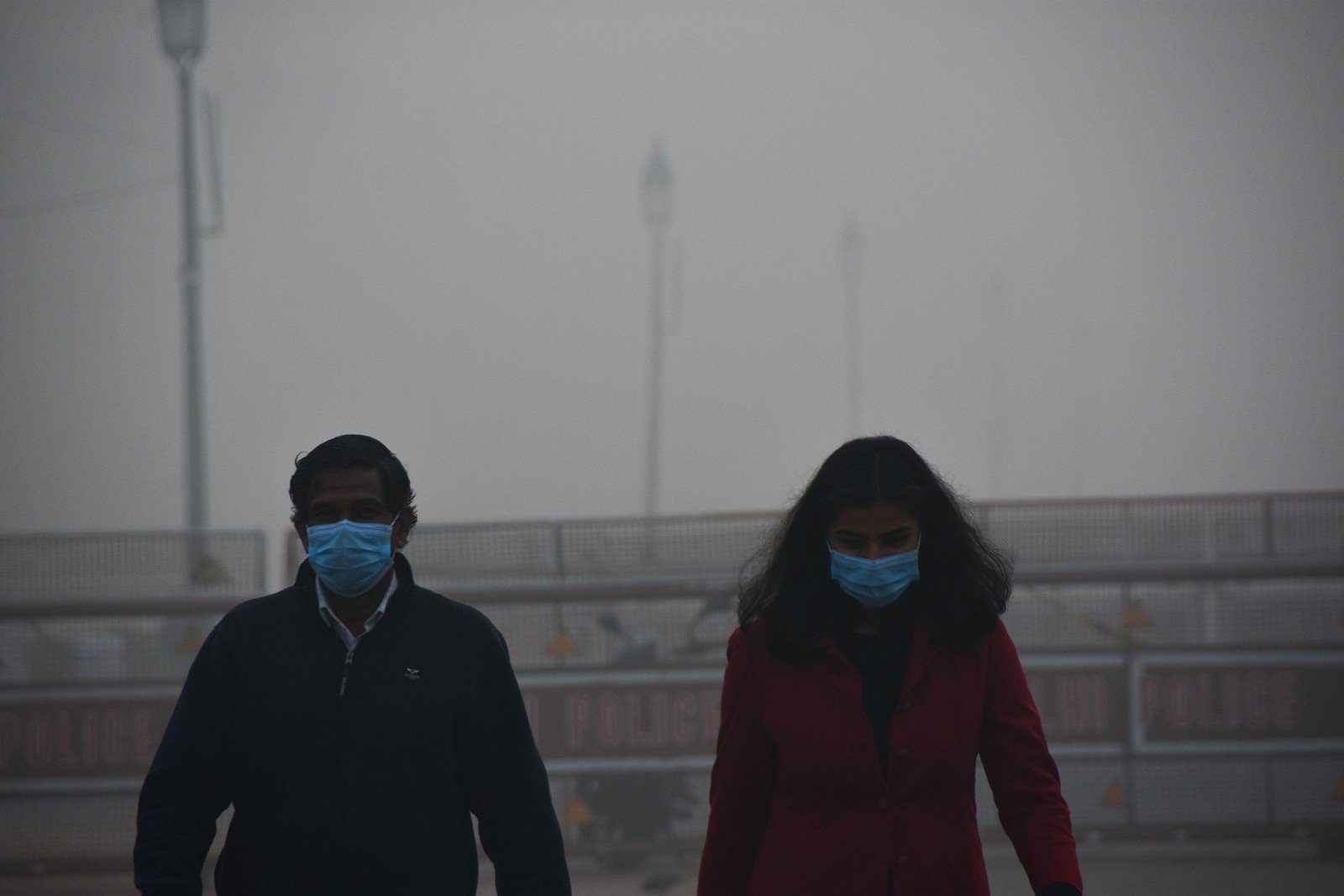
New Delhi, 30 July 2025: A new study has added to growing concerns that air pollution isn’t just harming your lungs—it may also be damaging your brain. Researchers have found a strong link between long-term exposure to polluted air and a significantly increased risk of developing dementia, especially in older adults.
This alarming discovery adds another layer to the already well-documented health impacts of air pollution, which include respiratory illnesses, heart disease, stroke, and premature death. Now, the brain appears to be at serious risk too.
What the Study Found
- The study revealed that individuals exposed to higher levels of fine particulate matter (PM2.5) over time had a greater chance of developing dementia.
- PM2.5 particles, which are 30 times smaller than a strand of hair, can enter the bloodstream through the lungs and reach the brain, triggering inflammation and neurodegeneration.
- Even moderate levels of pollution, within current safety limits, were found to impact cognitive health over the long term.
How Does Air Pollution Affect the Brain?
The mechanism behind this risk involves:
- Inflammation in the brain caused by toxins in polluted air
- Damage to the blood-brain barrier, allowing harmful particles to enter
- Oxidative stress that accelerates aging and cognitive decline
- Disruption in neuronal activity, leading to memory problems and confusion
Who Is Most at Risk?
- Elderly individuals, especially over 65
- People with pre-existing cognitive impairments or family history of dementia
- Residents of urban areas with high traffic congestion or industrial emissions
- Individuals with chronic health conditions like hypertension or diabetes
Symptoms to Watch Out For
If you’re frequently exposed to poor air quality and notice the following, seek medical guidance:
- Memory loss or confusion
- Difficulty concentrating or completing tasks
- Mood changes or disorientation
- Trouble speaking or understanding language
Protecting Your Brain from Air Pollution
While avoiding pollution completely may not be realistic, here are steps you can take to reduce the impact:
- Wear a certified N95 or N99 mask during high-pollution days
- Use HEPA filters indoors and keep windows closed during peak traffic hours
- Monitor air quality apps and avoid outdoor activity when levels are hazardous
- Incorporate brain-healthy foods rich in antioxidants like berries, leafy greens, and nuts
- Engage in regular physical and mental exercises to keep your brain active
This study underscores how air pollution is silently invading not just our lungs, but also our minds. As cities grow and pollution levels rise, protecting your brain health must become part of your everyday wellness routine. Clean air isn’t just a right—it’s a necessity for a sharp, healthy mind.

















Leave a comment