When people think about women’s health and cancer, breast cancer often dominates the conversation. While breast cancer awareness has saved countless lives, it’s important to remember that women face many other serious cancer risks—some of which receive far less attention. Knowing the warning signs, risk factors, and screening options can make a life-saving difference.
Here are seven cancers every woman should be informed about.
1. Cervical Cancer
Cervical cancer develops in the cells of the cervix and is most commonly caused by persistent infection with high-risk strains of the human papillomavirus (HPV). The good news is that it’s one of the most preventable cancers.
Warning signs may include abnormal vaginal bleeding, pelvic pain, or pain during intercourse, though early stages often show no symptoms.
Prevention and screening include regular Pap smears, HPV testing, and HPV vaccination.
2. Ovarian Cancer
Often called the “silent killer,” ovarian cancer is difficult to detect early because symptoms are vague and easily overlooked. By the time it’s diagnosed, it’s frequently at an advanced stage.
Symptoms can include bloating, abdominal pain, feeling full quickly, and changes in bowel habits.
Risk factors include family history and certain genetic mutations such as BRCA1 and BRCA2. There is no routine screening test, making awareness especially critical.
3. Endometrial (Uterine) Cancer
Endometrial cancer begins in the lining of the uterus and is the most common gynecologic cancer in women. Unlike ovarian cancer, it often presents early warning signs.
Key symptoms include abnormal vaginal bleeding, especially after menopause.
Risk factors include obesity, diabetes, hormone imbalance, and early menstruation or late menopause. Early detection usually leads to highly successful treatment.
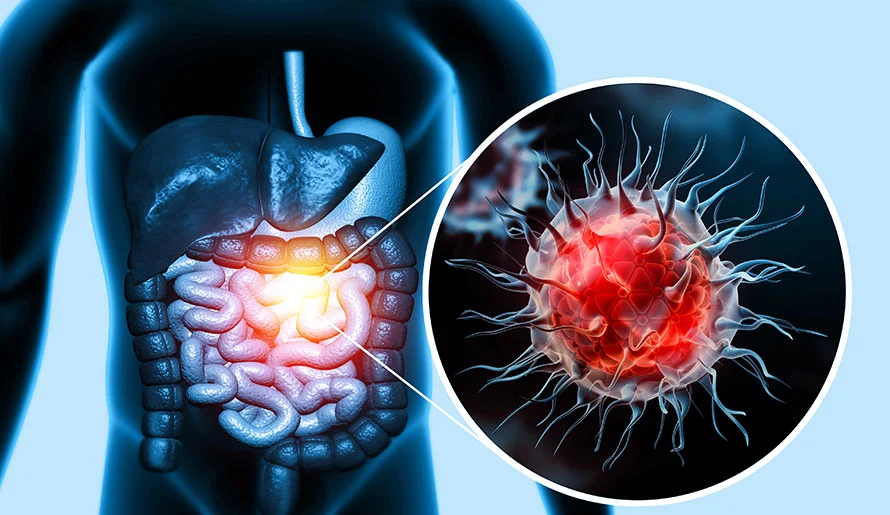
4. Colorectal Cancer
Colorectal cancer affects the colon or rectum and is no longer just a disease of older adults—rates are rising among younger women.
Symptoms may include changes in bowel habits, blood in stool, unexplained weight loss, or fatigue.
Prevention includes regular screenings such as colonoscopies, a high-fiber diet, physical activity, and limiting processed foods.
5. Lung Cancer
Lung cancer is the leading cause of cancer death in women, surpassing breast cancer. While smoking is the biggest risk factor, non-smokers can also develop lung cancer due to environmental exposure or genetics.
Symptoms include persistent cough, chest pain, shortness of breath, and coughing up blood.
Early screening with low-dose CT scans is recommended for high-risk individuals.
6. Skin Cancer
Skin cancer, including melanoma, is one of the most common cancers worldwide. Melanoma, though less common, is particularly dangerous if not caught early.
Warning signs include new or changing moles, irregular borders, or unusual coloration.
Prevention involves sun protection, avoiding tanning beds, and regular skin self-exams and dermatologist visits.
7. Thyroid Cancer
Thyroid cancer occurs more frequently in women than men and is often diagnosed at a younger age.
Symptoms may include a lump in the neck, difficulty swallowing, or voice changes.
Prognosis is generally excellent when detected early, making awareness and medical evaluation of neck changes important.
Breast cancer awareness has shown us what education and early detection can achieve. Applying the same vigilance to other cancers can save lives. Regular checkups, understanding family history, paying attention to symptoms, and advocating for your health are powerful tools every woman should use.
Your health is more than one ribbon—stay informed, stay proactive, and don’t ignore the signs.