


New Delhi, 13 December 2024: Bowel cancer, recognized as the second deadliest cancer globally. Now affecting individuals aged 25 to 49 at an alarming rate, according to a recent study published in The Lancet. This unsettling trend is sparking widespread concern among healthcare experts and calling attention to early detection and preventive measures.
What is Bowel Cancer and Why is It Deadly?
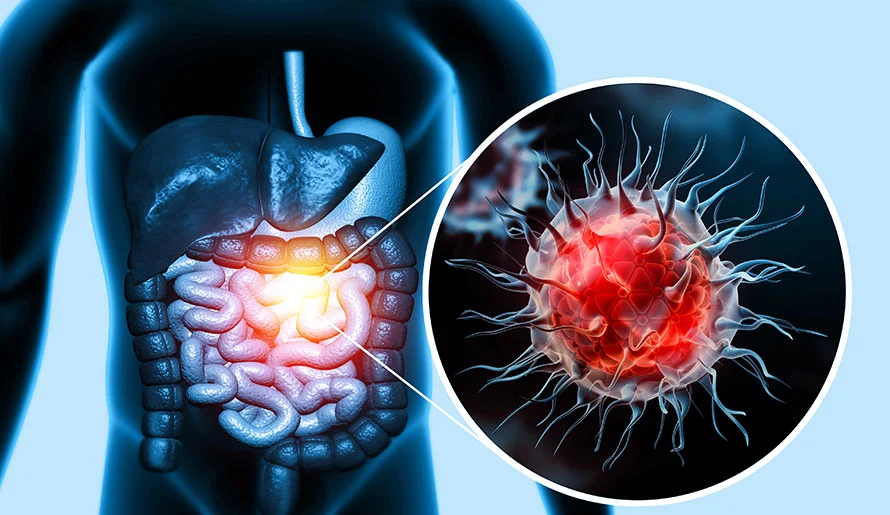
Bowel cancer, also known as colorectal cancer, originates in the colon or rectum. It is highly treatable in its early stages but becomes deadly as it progresses and spreads to other organs. Symptoms often include persistent changes in bowel habits, blood in the stool, abdominal pain, and unexplained weight loss. Its high mortality rate linked to late-stage diagnoses, which limit treatment options.
You may also like –

Rising Incidence Among Younger Adults
The Lancet study reveals a sharp increase in bowel cancer cases among individuals aged 25-49, a group traditionally considered low-risk. Experts attribute this rise to a combination of factors such as sedentary lifestyles, obesity, unhealthy diets, and increasing exposure to environmental toxins. Alarmingly, younger patients often diagnosed at advanced stages due to delayed symptom recognition and misdiagnosis.
Risk Factors Driving the Surge
Several factors contribute to the growing prevalence of bowel cancer in younger populations:
Dietary Habits: High consumption of processed foods, red meats, and sugary drinks has linked to increased cancer risk.
Lifestyle Choices: Sedentary behavior, lack of physical activity, and smoking are significant contributors.
Gut Microbiome Imbalance: Emerging research highlights how poor diet and lifestyle can disrupt gut bacteria, potentially leading to cancer.
Signs to Watch For
Early detection is crucial in improving survival rates. Here are some warning signs to look out for:
— Persistent changes in bowel habits, such as diarrhea or constipation.
— Blood in stool or rectal bleeding.
— Unexplained weight loss or fatigue.
— Abdominal pain, cramping, or bloating.
If these symptoms persist, immediate medical consultation is advised.
Prevention and Lifestyle Modifications
Preventive measures can significantly lower bowel cancer risk:
Healthy Diet: Incorporate fiber-rich foods, fruits, vegetables, and whole grains. Reduce consumption of red and processed meats.
Regular Exercise: Physical activity can help maintain a healthy weight and lower cancer risk.
Screening: Regular colonoscopies and fecal tests are essential, especially for individuals with a family history of the disease.
Avoid Smoking and Excessive Alcohol Consumption: These are known risk factors for bowel cancer.
Implications for Public Health
The rise in bowel cancer cases among young adults underscores the need for awareness campaigns and earlier screening protocols. Governments and health organizations must prioritize funding for research, as well as public education about the importance of healthy lifestyles and symptom recognition.
Read Also – Carfentanil: 100x Deadlier Than Fentanyl, Death Rate 7x Higher, CDC Warns of Its Growing Threat
Bowel cancer no longer confined to older populations. The increasing incidence among young adults demands urgent attention and action. By adopting healthier lifestyles, recognizing symptoms early, and undergoing regular screenings, individuals can significantly reduce their risk. The findings in The Lancet serve as a stark reminder of the importance of proactive health measures in combating this silent but deadly epidemic.
















Leave a comment