

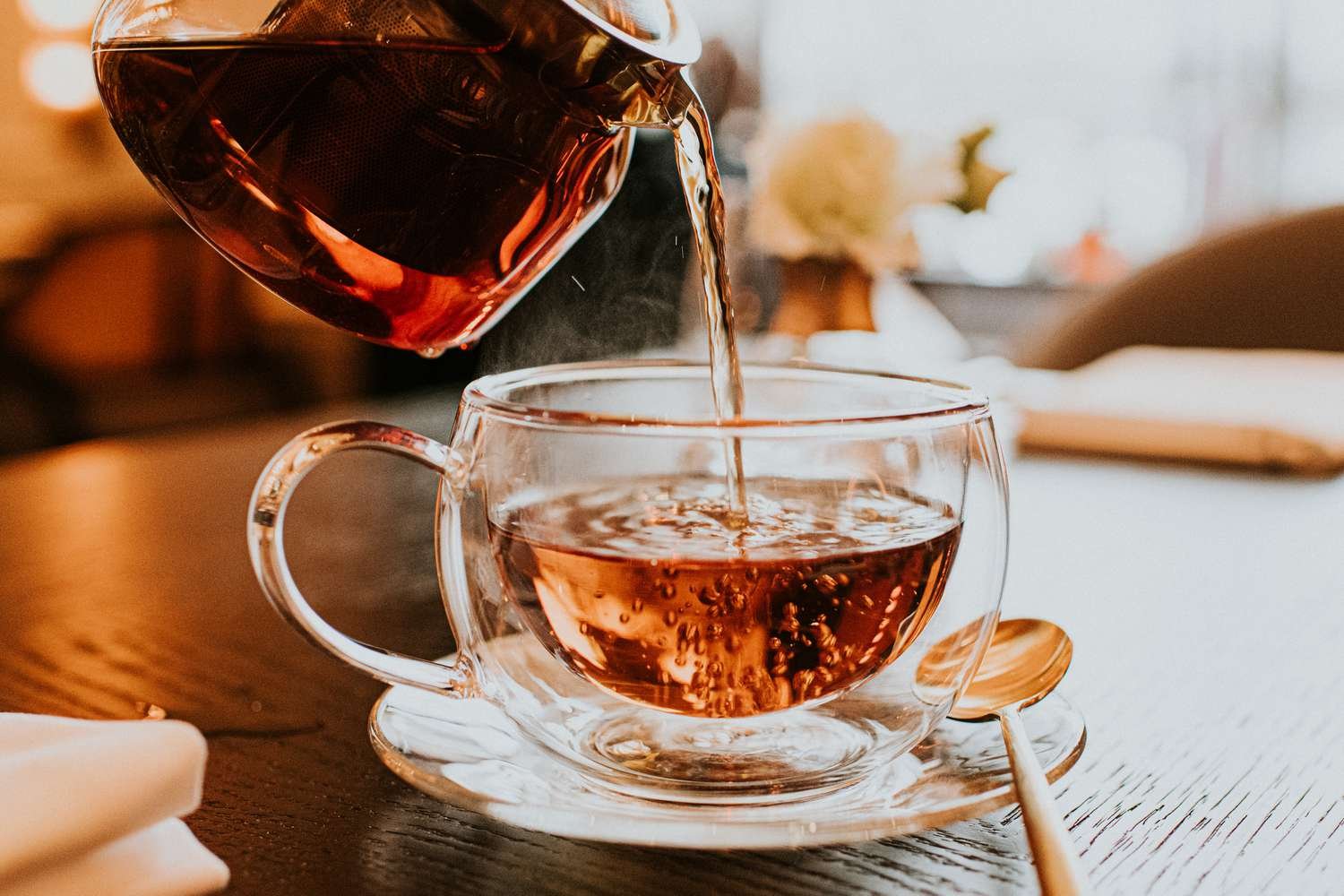
New Delhi, 30 November, 2025: Every morning millions of people reach for a hot beverage to kick-start their day — many choose black coffee and many choose black tea. Both drinks are everyday staples, often consumed without milk or sugar, and both provide a degree of health benefit. But when it comes to choosing the healthier option, the answer is: it depends. A recent discussion by a top-nutrition specialist highlights the key differences between these two brew-time rituals and helps clarify which beverage is more suited to your health goals.
The Basics: Nutrients, Caffeine and Calories
Black coffee and black tea are similar in some ways: when taken without added milk, sugar or cream they both remain very low-calorie and deliver plant-based bioactive compounds. Yet they differ significantly in caffeine content, plant compounds, metabolism effects and how the body reacts to them.
- Caffeine: Black coffee typically has more caffeine per cup than black tea. This higher dose of caffeine tends to produce stronger effects in terms of alertness, metabolism and fat-burning. However, higher caffeine also has downsides — it may cause jitteriness, impaired sleep or anxiety in sensitive individuals.
- Plant compounds and antioxidants: Both beverages contain antioxidants — black tea is rich in compounds like theaflavins and thearubigins, while black coffee contains chlorogenic acid and flavonoids. These compounds support metabolism, vascular health and reduce oxidative stress.
- Calories: When consumed plain, both drinks contribute essentially zero or very few calories — making them compatible with low-calorie diets or weight-management strategies.
What Black Coffee Offers
For someone seeking a strong boost in energy, metabolism, or workout support, black coffee often edges ahead. The higher caffeine content means a sharper increase in alertness, stronger thermogenic (fat-burning) effects and improved physical performance, particularly for those who are used to working out or have higher metabolic demands. Studies have linked regular black coffee consumption to improvements in insulin sensitivity, a lower risk of type-2 diabetes and improved markers of cardiovascular health — when consumed in moderation.
Yet despite these advantages, there are some caveats:
- Because black coffee is more acidic and higher in caffeine, it may irritate the stomach or trigger heart racing in people with anxiety or sensitive digestive systems.
- If consumed too late in the day, it may interfere with sleep, which in turn undermines overall health.
- People with certain health conditions (e.g., uncontrolled hypertension, insomnia, acid reflux) may need to limit coffee intake.
What Black Tea Offers
Black tea presents a gentler alternative that still delivers health-supporting benefits. With lower caffeine, black tea causes less risk of jitteriness and sleep disruption. It also contains amino acids like L-theanine, which promote a calmer state of alertness — combining modest caffeine stimulation with relaxation. Regular consumption of black tea has been tied to better vascular function, lower LDL cholesterol in some studies, and improved gut health. For people who prefer a sustained but moderate energy lift — or those who are new to caffeine or sensitive to it — black tea may be the wiser choice.
However, its smaller caffeine boost means that black tea may not offer the same dramatic metabolic surge or workout performance benefit that coffee can provide.
How to Decide Which One Works for You
Since both beverages have unique strengths, the choice comes down to your health goals, caffeine sensitivity, daily routine, and meal scheduling. Consider the following questions:
- Do you need a strong energy surge for a workout, long day or physical task? Then black coffee may be more suitable.
- Are you sensitive to caffeine, get anxious or have trouble sleeping? Then black tea may be the better option.
- Is your goal to support gentle vascular health, calm alertness and moderate metabolism? Black tea may suffice.
- Do you have digestive issues or acid reflux? Tea might be less aggravating.
- Are you drinking it late in the afternoon or evening? Tea is likely less disruptive to sleep.
Practical Tips for Health-Smart Brewing
Whatever you choose, following good habits maximises benefit and minimises risk:
- Skip the sugar and milk: Plain black coffee or tea keeps calorie count low and preserves the beneficial compounds.
- Watch timing: Avoid consuming high-caffeine beverages too close to bedtime if you are sensitive to sleep disruption.
- Mind portion size: More caffeine isn’t always better — excess may trigger unwanted side effects like palpitations or increased blood pressure.
- Pair with lifestyle support: Both beverages perform best when combined with a healthy diet, regular exercise and good sleep habits — neither drink is a magic bullet.
- Consider individual health conditions: People with anemia, iron-absorption issues, heart conditions or uncontrolled hypertension should check how caffeine or tannins in tea might affect them. Some guidelines suggest avoiding tea or coffee immediately before or after iron-rich meals.
- Choose quality: Opt for good-quality beans or leaves, proper brewing techniques and avoid overly strong or highly processed versions.
Summary of Benefits and Trade-Offs
| Feature | Black Coffee | Black Tea |
|---|---|---|
| Caffeine Content | Higher — stronger alertness & metabolism | Lower — gentler energy, less risk of jitters |
| Antioxidant Profile | Rich in chlorogenic acid & caffeine‐related effects | Rich in theaflavins, thearubigins, L-theanine |
| Sleep / Anxiety Risk | Higher risk of sleep disruption and jittery side-effects | Lower risk; calming effect via L-theanine |
| Stomach / Sensitivity | More acidic; may irritate sensitive stomachs | Gentler on digestion |
| Best For | Energy surge, workout support, higher caffeine tolerance | Moderate boost, lower caffeine sensitivity, vascular support |
| Considerations | Avoid late in day, monitor blood pressure, digestion | Monitor iron absorption, still moderate caffeine |
Final Verdict
In the debate between black tea and black coffee, there is no universal “winner” — each beverage offers significant health advantages and distinct trade-offs. Your best choice depends on how your body tolerates caffeine, what your daily needs are, and which health goals you are targeting. If you are physically active, crave strong energy and tolerate caffeine well — black coffee may give you the edge. If you prefer calm alertness, are sensitive to caffeine or seek gentler metabolic support — black tea may be the optimal fit.
In both cases, moderation is key. Avoid turning either drink into a crutch. Balancing your beverage choice with good sleep, nutritious food, hydration, and physical activity will amplify the health benefits.
Ultimately, if you enjoy both and your body responds well, you don’t necessarily have to pick one forever. You might choose coffee in the morning for a strong kick and switch to tea later in the day for a calm wind-down. The best drink is the one that suits your body, your routine and your health.

















Leave a comment