India is once again on high alert as new cases of bird flu (avian influenza) have been confirmed in multiple states. The H5 strain, notorious for its rapid spread among poultry, has sparked concerns among health experts about the potential risk to humans and the possibility of a new pandemic. With poultry deaths reported across villages and live markets under scrutiny, authorities are urging caution while scientists monitor the situation closely.
What Is Bird Flu and Why Is It Dangerous?
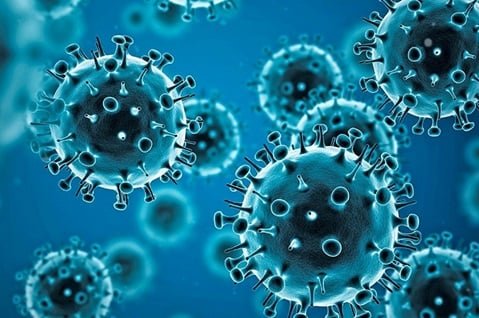
Bird flu is caused by influenza A viruses, most commonly H5N1 and H5N8, which primarily affect birds but can, in rare cases, infect humans. The virus spreads through direct contact with infected birds, their droppings, or contaminated surfaces. Symptoms in humans can range from fever, cough, and sore throat to severe respiratory distress and multi-organ failure in extreme cases.
While human infections are rare, the virus’s ability to mutate raises the possibility of it adapting for easier human-to-human transmission. Such mutations are closely monitored because they can ignite pandemics, similar to the 1918 flu or the more recent COVID-19 crisis.
Current Situation in India
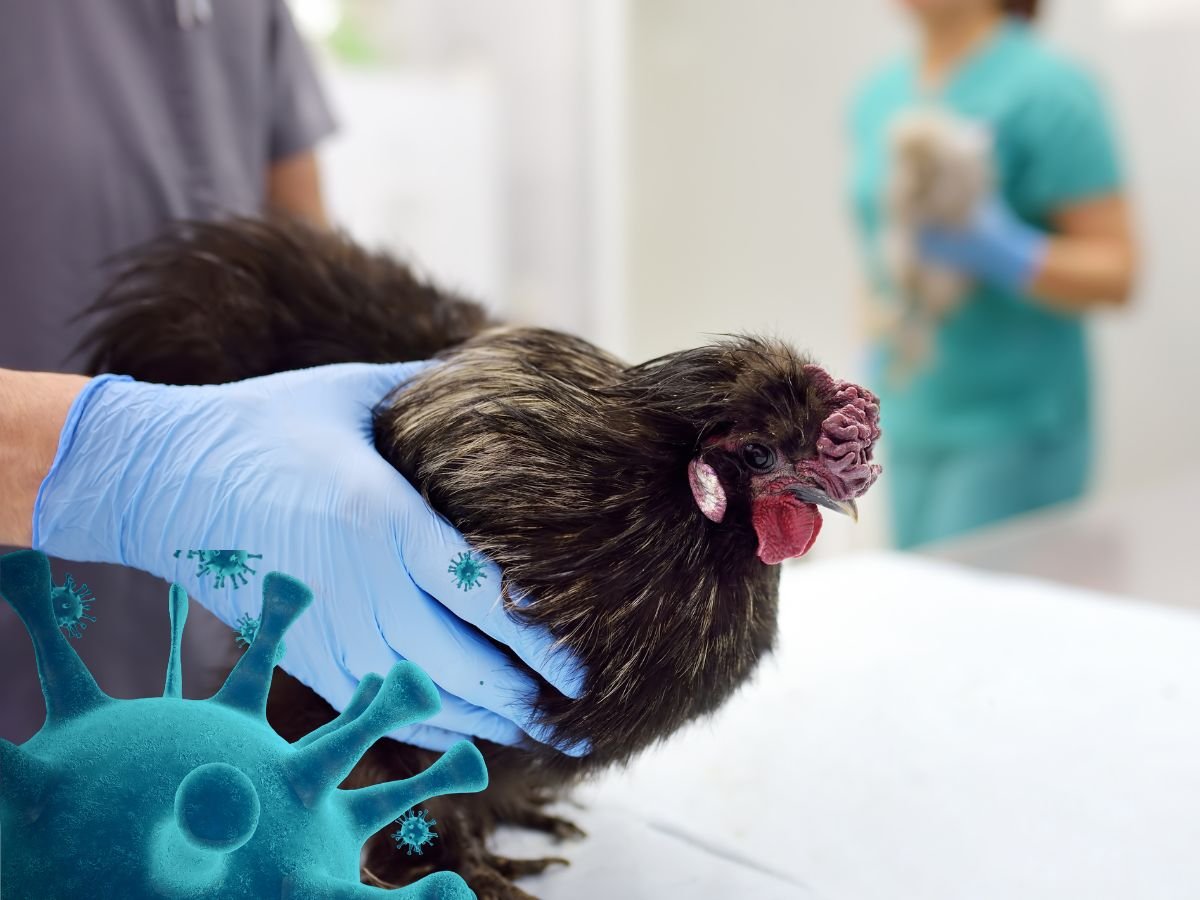
Authorities have reported outbreaks in rural regions where poultry farming is prevalent. In some districts, entire flocks have perished, prompting mass culling to prevent further spread. Veterinary and health departments are implementing strict quarantine measures, disinfecting markets, and restricting the movement of birds between states.
Experts are particularly concerned because the virus has been detected near densely populated areas, increasing the risk of human exposure. Although no major human cases have been reported yet, hospitals are on alert, and health advisories have been issued to poultry workers and residents.
Symptoms and Risks for Humans
If humans do contract bird flu, early symptoms can appear within 2 to 14 days, including:
- High fever and chills
- Severe cough or difficulty breathing
- Muscle aches and fatigue
- Eye irritation (in some H7 strains)
Severe infections can progress to pneumonia, organ failure, and even death, especially in individuals with weakened immunity. Early detection and antiviral treatment are crucial to reducing fatality.
Preventive Measures
Health authorities recommend the following steps to reduce risk:
- Avoid direct contact with live birds or poultry droppings
- Wash hands thoroughly after handling animals
- Cook poultry and eggs thoroughly before consumption
- Wear protective clothing if working in poultry farms
- Report any sudden poultry deaths to local authorities
Vaccines for certain avian flu strains exist for poultry, but a universal human vaccine is not yet available. Monitoring and rapid response remain the primary defense.
Could This Trigger a Pandemic?
The risk of a global pandemic remains low but is not impossible. Virologists warn that influenza viruses mutate rapidly, and cross-species transmission is the key concern. Any H5 strain that acquires the ability to spread easily between humans could trigger widespread infection, making vigilant surveillance and early containment critical.
What Experts Advise
Experts stress that panic is unnecessary, but awareness is vital. Regular updates from health departments, vaccination of poultry, and adherence to hygiene guidelines are the best ways to prevent escalation. Scientists continue to study the virus to detect mutations early and prepare antiviral treatments and potential vaccines.
Bottom Line
India’s bird flu outbreak is a serious warning signal, but with proper monitoring, hygiene measures, and early intervention, the risk of a full-blown pandemic can be minimized. The situation underscores the importance of pandemic preparedness and the need for global collaboration to track emerging infectious diseases.