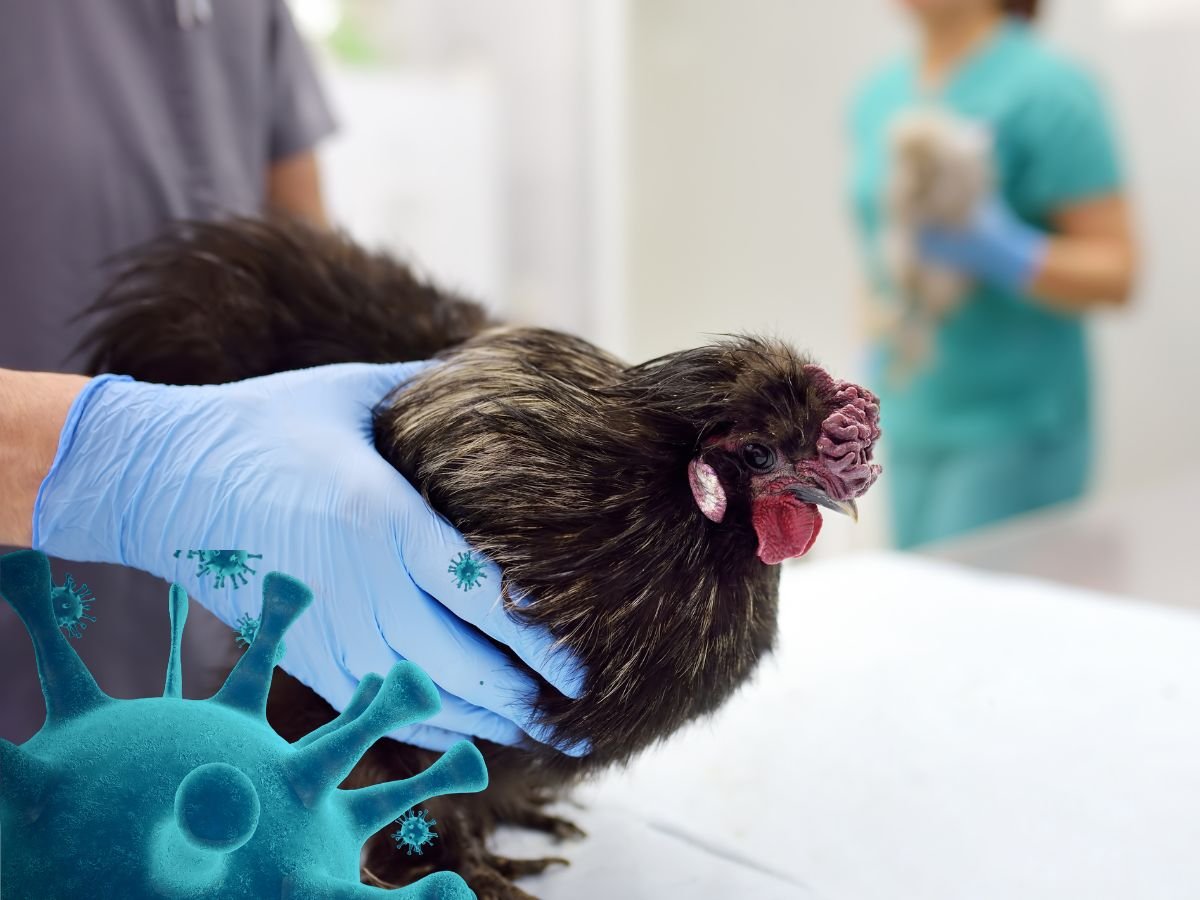
Bird flu, also known as avian influenza, is a viral infection primarily affecting birds but capable of infecting humans in rare cases. The most well-known strain, H5N1, has caused sporadic outbreaks in parts of Asia, Europe, and Africa. Human infection usually occurs through direct contact with infected birds, their droppings, or contaminated environments. While bird flu can be severe, with a high mortality rate in confirmed human cases, it is not easily transmitted between people, and the risk to the general public remains low. Health authorities, including the World Health Organization (WHO) and India’s National Centre for Disease Control (NCDC), continue to monitor outbreaks closely and provide guidance on safety measures. Understanding the virus and its modes of transmission is key to protecting yourself without succumbing to unnecessary fear.
Common Symptoms of Bird Flu in Humans
Recognizing the symptoms of bird flu early can help ensure timely medical care and reduce complications. Symptoms typically appear 2–8 days after exposure and may include fever, cough, sore throat, body aches, fatigue, and shortness of breath. Severe cases can progress to pneumonia, acute respiratory distress, or multi-organ failure. Unlike seasonal flu, bird flu symptoms may develop rapidly and be more severe, especially in vulnerable populations such as the elderly, children, and people with weakened immune systems. Prompt medical attention is critical if you experience these symptoms after contact with birds or environments suspected to be contaminated.
How Bird Flu Spreads
The primary mode of transmission is direct contact with infected birds, including poultry, ducks, or wild migratory birds. The virus can be present in feathers, droppings, saliva, and nasal secretions. Indirect transmission can occur if you touch contaminated surfaces and then touch your mouth, nose, or eyes. Although rare, human-to-human transmission has been documented in very close contact situations, such as caring for a sick family member without proper protective measures. Avoiding live bird markets, handling sick or dead birds, and practicing strict hand hygiene are essential strategies to reduce risk.
Preventive Measures to Stay Safe
Preventing infection involves practical steps without causing panic. Avoid contact with live or dead birds, particularly in regions experiencing outbreaks. Do not consume undercooked poultry or eggs, and ensure that all meat is cooked to an internal temperature of at least 165°F (74°C). Wash your hands frequently with soap and water, especially after touching raw poultry or cleaning surfaces in the kitchen. Using alcohol-based sanitizers can provide additional protection when soap and water are unavailable. Wear protective equipment such as gloves and masks if you must handle poultry or bird droppings. Keep children and pets away from potentially infected birds. These preventive measures, recommended by WHO and NCDC, are highly effective at minimizing risk.
Vaccination and Medical Guidance
Currently, there is no universal vaccine for H5N1 bird flu for the general public, although seasonal influenza vaccination may offer some indirect benefits by reducing the risk of co-infection. Antiviral medications such as oseltamivir may be prescribed in cases of suspected or confirmed infection, but these should only be used under medical supervision. Health authorities advise seeking immediate medical attention if you develop fever or respiratory symptoms following exposure to birds or contaminated environments. Early supportive care can significantly improve outcomes.
Protecting Communities During Outbreaks
Beyond individual precautions, community-level actions help prevent the spread of bird flu. Authorities may conduct poultry surveillance, culling of infected birds, and disinfection of affected areas. Public awareness campaigns educate communities on safe handling of birds, food hygiene, and reporting suspicious poultry deaths. WHO and national health agencies stress that panic and misinformation can worsen public health outcomes, so staying informed through official sources is critical. Avoid spreading unverified news on social media and rely on trusted sources for guidance.
Managing Fear and Staying Informed
While bird flu can be serious, it is important to maintain perspective. The virus is rarely transmitted to humans, and outbreaks are usually localized. Maintaining calm allows you to follow preventive measures effectively without succumbing to anxiety. Simple strategies include following official updates, practicing daily hygiene, preparing poultry safely at home, and encouraging community awareness. Understanding the facts empowers you to take practical steps for protection without unnecessary fear.
Bird flu requires awareness and precaution, but not panic. By understanding how the virus spreads, recognizing early symptoms, practicing proper hygiene, avoiding risky exposure, and following guidance from WHO and local health authorities, individuals can protect themselves effectively. Community vigilance, timely medical care, and responsible behavior during outbreaks minimize the risk of human infection. Remember that preventive measures such as avoiding contact with sick birds, cooking poultry properly, and practicing hand hygiene are the most effective ways to stay safe. Staying informed and proactive ensures your safety while preventing the spread of misinformation and unnecessary fear, demonstrating that careful awareness is the best defense against bird flu.