

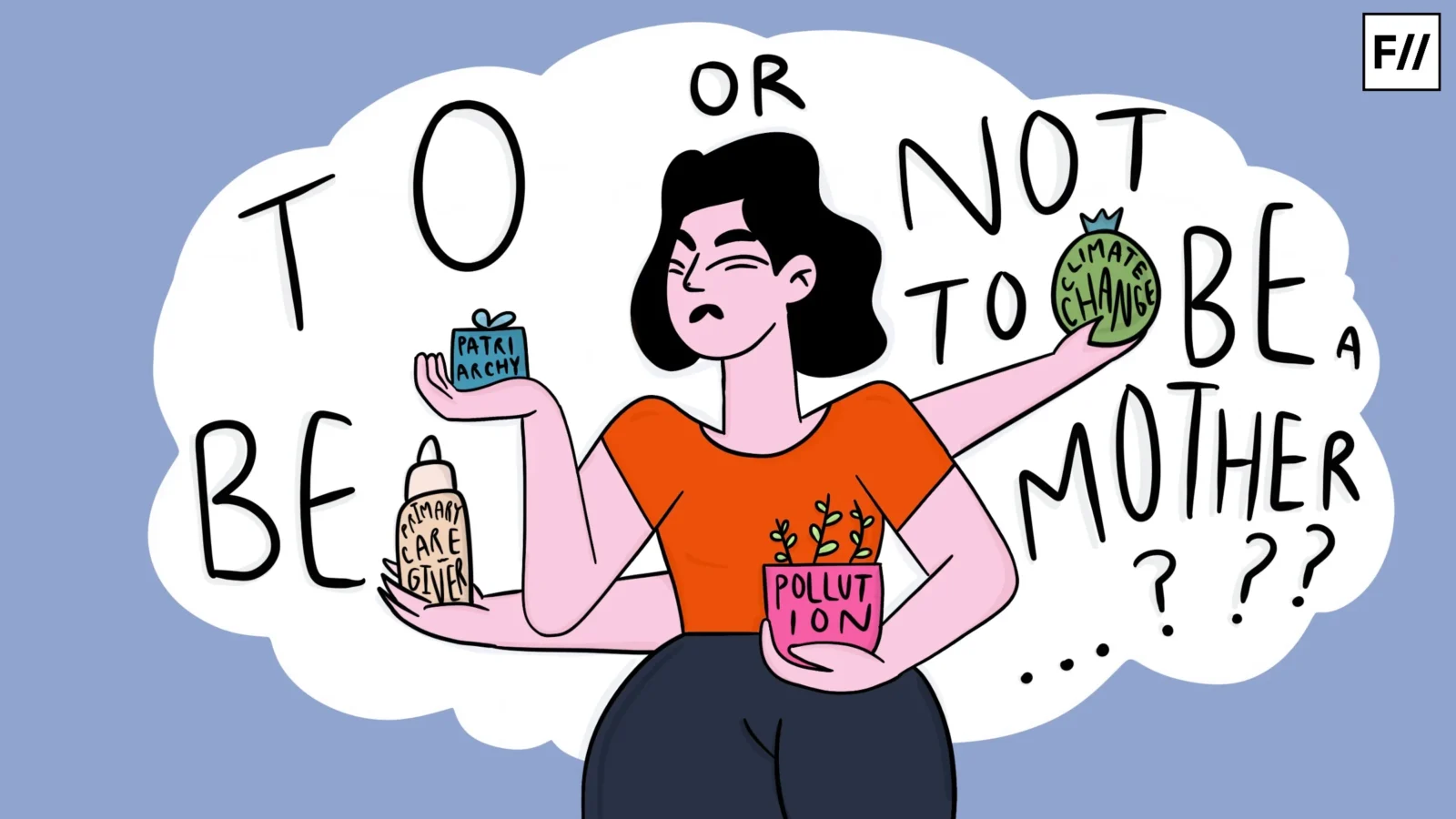
For generations, the narrative for Indian women followed a predictable, rigid script – education, marriage, and motherhood, which was usually in quick succession. If a girl did not run this race on time for whatever reason, the girl was considered to have “slipped out of hands”. The biological clock wasn’t just a medical reality; it was a societal countdown which girls had to adhere to – By Dr. Rohit Raghunath Ranade, Senior Consultant, Clinical Lead – Gynaecologic Oncology, Narayana Health City, Bengaluru
Today however, women are running their race at their own pace – delaying marriage and even motherhood, which they see as an option, not a decision thrust upon them by families. Across the country, especially in urban metropolitan spaces – Indian women are reclaiming their timelines. Motherhood is transitioning from a biological mandate to a conscious, empowered choice. Women are focusing on careers and education, rather than bearing sole responsibility of continuing a family lineage.
As we celebrate International Women’s Day this year, we explore this profound shift.
The Fertility Specialist: Decoupling Time from Biology
In the past, women’s fertility peak and career goals were on a direct collision course. Today, medical science is providing a buffer called Social Freezing – the practice of freezing eggs for non-medical reasons. And this is no longer a secret of the elite; it is a strategic life decision for many women who aspire for motherhood but not by compromising their careers.
With social freezing, women are essentially buying time. By freezing their eggs in their 20s or early 30s, they are preserving the quality of their younger oocytes. This allows them to pursue that MBA, lead that startup, or travel the world without the constant shadow of a declining ovarian reserve. This is all possible because women are refusing to get pressured to prove themselves in traditional social roles of daughter, wife and mother.
Freezing eggs is not a backup plan; it is psychological leverage, which removes the anxiety women feel while dating or career planning, and empowers them to choose motherhood when they feel ready, and not because they are running out of time.
The Health of the ‘Ready’ Mother
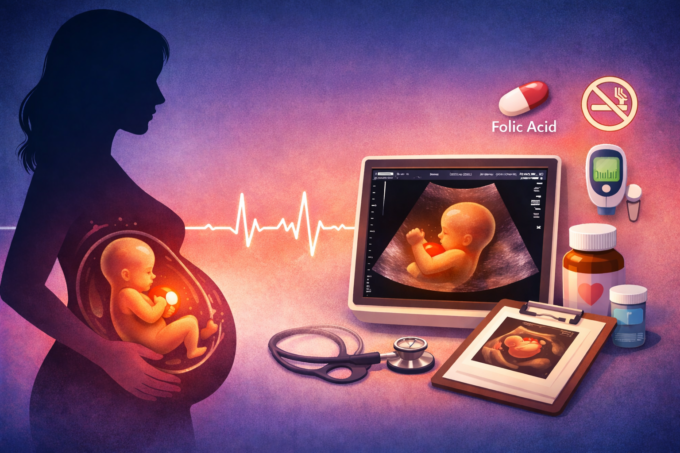
From a clinical perspective, the shift toward planned pregnancies is a win for public health. Gynaecologists are seeing a rise in DINK (Double Income, No Kids) couples and women who prioritise their physical well-being over societal expectations. A pregnancy undertaken when a woman is physically, nutritionally, and mentally prepared leads to significantly better maternal and neonatal outcomes. Hence, gynaecologists are now seeing more women who opt to focus on their own long-term health.
A woman’s body is not a machine designed solely for reproduction. When a woman chooses motherhood freely, she is more likely to engage in proactive prenatal care and less likely to suffer from the physical burnout often seen in women forced into early or frequent pregnancies. Motherhood is a choice not just about being a mother, but being a responsible one at that. When a woman chooses to become a mother, then childcare is better handled.
Closing the ‘Guilt Gap’
Perhaps the most difficult hurdle isn’t biological, but emotional. Indian society has long tied a woman’s worth to her childbearing abilities, specifically giving birth to a male heir. This creates a Guilt Gap – the friction between a woman’s personal desires and external pressure from family and peers.
Psychologists suggest that an active choice is a good antidote to this guilt. Whether a woman decides to have a child at 40, use a surrogate, or remain child-free, the act of making the decision rather than being forced provides immense psychological freedom.
Normalising conversations around a woman’s value is crucial. We are moving away from the idea that a woman is ‘incomplete’ without a child. The modern Indian woman is finding completeness in her career, her relationships, and her autonomy.
A New Legacy
As we look towards the future, the goal is not to discourage motherhood, but to elevate it. When motherhood is a choice, women enter it with more intention, more joy, and more resources.
This Women’s Day, we celebrate the power of ‘No’’, the courage of ‘Not yet’, and the strength of ‘On my own terms’. A woman’s legacy is no longer defined by her reproductive status, but by the depth of her character and the freedom of her choices.








Leave a comment