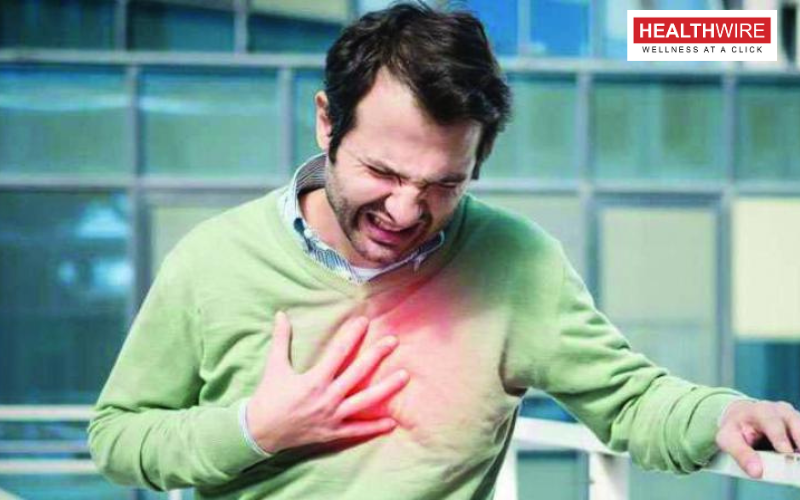
When people think of a heart attack, they often imagine sudden chest pain and collapse. While chest discomfort is a common warning sign, cardiologists increasingly warn that many heart attacks—especially in women, older adults, and people with diabetes—begin with far subtler symptoms. Recent health reports and clinical observations suggest that a large number of patients ignore these early signals, mistaking them for fatigue, indigestion, or stress, with dangerous consequences.
Heart disease remains one of the leading causes of death in India, and delayed recognition of symptoms is a major reason behind poor outcomes. Understanding these “sneaky” signs can save lives.
Why Heart Attack Symptoms Are Often Missed
Unlike dramatic portrayals in movies, real-life heart attacks can develop gradually. Reduced blood flow to the heart may begin hours or even days before a major event. The body sends warning signals, but because they are vague or painless, many people dismiss them.
Doctors note that lifestyle diseases such as diabetes, obesity, and high blood pressure—now common across age groups—can blunt classic pain responses, making symptoms harder to recognise. This makes awareness of lesser-known signs especially critical.
1. Unusual Fatigue That Comes Out of Nowhere
Sudden, overwhelming fatigue—especially without physical exertion—is one of the most commonly overlooked warning signs. People often describe it as feeling “drained” or unable to perform routine tasks like walking short distances or climbing stairs.
This happens because the heart is struggling to pump enough blood, reducing oxygen supply to muscles and organs. Persistent or unexplained fatigue should never be brushed aside, particularly if it is new or worsening.
2. Shortness of Breath Without Obvious Cause
Breathlessness while resting, lying down, or doing minimal activity can be an early indicator of heart trouble. Some people experience it days before a heart attack, often without chest pain.
This symptom occurs when the heart cannot pump efficiently, causing fluid buildup in the lungs. If you feel breathless without exertion or notice that you can’t catch your breath as before, it may be your heart asking for help.
3. Indigestion, Acidity, or a Burning Sensation
Heart-related pain is frequently mistaken for stomach problems. A burning feeling in the chest or upper abdomen, nausea, bloating, or a sense of fullness can all be heart attack symptoms.
Because these sensations resemble acidity or gas, many people self-medicate and delay seeking care. Persistent indigestion that does not improve with usual remedies should be evaluated urgently.
4. Pain in the Jaw, Neck, or Throat
Pain related to the heart does not always stay in the chest. It can radiate to the jaw, neck, throat, or even teeth. Some patients report a dull ache or tightness rather than sharp pain.
This occurs due to shared nerve pathways between the heart and these areas. Jaw or neck discomfort—especially when accompanied by other symptoms—should raise red flags.
5. Discomfort in the Back or Upper Spine
Upper back pain, particularly between the shoulder blades, is another under-recognised sign. It may feel like pressure, stiffness, or a deep ache.
This symptom is more commonly reported by women, leading to misdiagnosis as a muscle strain or posture-related issue. When back pain appears suddenly and is unexplained, it should not be ignored.
6. Pain or Heaviness in One or Both Arms
Classic heart attack pain often travels down the left arm, but cardiologists warn that it can also affect the right arm or both arms. The sensation may feel like heaviness, numbness, or tingling rather than pain.
If arm discomfort appears without injury and is associated with chest unease, sweating, or breathlessness, immediate medical attention is essential.
7. Cold Sweats and Clammy Skin
Breaking out into a cold sweat without heat exposure or physical activity is a concerning sign. Patients often describe feeling suddenly clammy, pale, or dizzy.
This happens when the body activates a stress response due to reduced blood flow to the heart. Sweating accompanied by nausea or lightheadedness can signal an impending heart attack.
8. Dizziness or Sudden Lightheadedness
Feeling faint, dizzy, or as though you might pass out can occur when the heart cannot pump enough blood to the brain. Some people experience this as a brief episode, while others feel persistently unsteady.
This symptom is particularly dangerous because it can lead to falls or sudden collapse. It should never be ignored, especially in individuals with known heart risk factors.
9. Sleep Disturbances and Anxiety
Unusual anxiety, restlessness, or difficulty sleeping—especially in the days leading up to a heart attack—has been reported by many patients. Some describe a vague sense of unease or “impending doom.”
While anxiety is common in daily life, sudden or intense episodes without an obvious trigger, combined with physical symptoms, warrant attention.
10. Nausea or Vomiting
Nausea, vomiting, or stomach discomfort can occur when the heart is under stress. These symptoms are more frequent in women and older adults and are often mistaken for food poisoning or gastritis.
When nausea appears alongside fatigue, sweating, or chest discomfort, it could be heart-related rather than digestive.
Who Is at Higher Risk of Atypical Symptoms?
Doctors highlight that certain groups are more likely to experience subtle or atypical heart attack symptoms:
- Women
- People with diabetes
- Older adults
- Individuals with high blood pressure or obesity
- Smokers and those with sedentary lifestyles
In these groups, waiting for “classic” chest pain can be a fatal mistake.
Why Early Action Matters
Time is critical during a heart attack. The longer blood flow remains blocked, the more damage occurs to the heart muscle. Early treatment can restore circulation, limit damage, and significantly improve survival and recovery.
Unfortunately, recent observations show that many patients reach hospitals late because they fail to recognise early symptoms or underestimate their seriousness.
What You Should Do
If you or someone around you experiences a combination of these symptoms—especially sudden fatigue, breathlessness, chest discomfort, or unexplained pain—seek emergency medical care immediately. Do not try to “wait it out” or self-treat.
It is always better to rule out a heart problem than to miss a critical warning.
Heart attacks do not always announce themselves loudly. Often, they whisper through subtle, easily ignored symptoms. As heart disease affects people at younger ages and presents in less predictable ways, awareness becomes the first line of defence.
Recognising these sneaky warning signs and acting quickly can mean the difference between life and death. When it comes to the heart, listening to your body—and not dismissing its signals—can save your life.