Home Swapna Karmakar
Written by

Swapna Karmakar is an experienced Health Journalist and the Editorial Lead at Healthwire Media. She has a background in investigative reporting and a deep interest in community health and regulatory updates within the medical sector. Swapna focuses on bridging the gap between healthcare providers and patients by crafting narratives that simplify medical terminology without losing clinical depth. Her research process involves analyzing peer-reviewed journals and official regulatory notifications from bodies like the National Medical Commission (NMC) to provide timely news to both healthcare professionals and the general public. Swapna’s work is characterized by a commitment to transparency and evidence-based reporting. Outside of health reporting, she is an avid traveler and explorer of cultural landscapes. 

329 Articles
Latest News

From Fever to Brain Swelling: A Complete Guide to Nipah Virus Symptoms Doctors Are Warning About

The Nipah virus (NiV) has once again made headlines as a deadly zoonotic virus with high fatality rates. As authorities monitor outbreaks in...

AYUSH

AYUSH Medical Stores to Be Launched in India: Authentic Ayurvedic Medicines at Affordable Prices Soon

In a first‑of‑its‑kind initiative, the Government of India is planning to launch AYUSH medical stores across the country, aiming to make authentic Ayurvedic...

Latest News

Broken Heart Syndrome Is Real: Doctor Explains Why Emotional Stress Can Trigger Heart Attacks

When we hear the phrase “broken heart,” most of us think of heartbreak, sadness, or the end of a relationship. But medical science...

COVID
Latest News

Long COVID May Be Triggering Alzheimer’s-Like Changes in the Brain: New Study

A new study suggests that Long COVID—the lingering post-infection condition experienced by many people after SARS-CoV-2 infection—might be associated with brain changes resembling...

Cancer
Latest News

Immunotherapy vs Chemotherapy: Which Cancer Treatment Works Better?

Cancer treatment has evolved rapidly over the past few decades, offering patients more options and renewed hope. Among the most discussed approaches today...

COVID
Exclusive Section

How Nipah Virus Affects the Immune System and Why the Body Struggles to Fight It

The Nipah virus presents a unique and severe challenge to the human immune system, often overwhelming the body’s natural defences before they can...

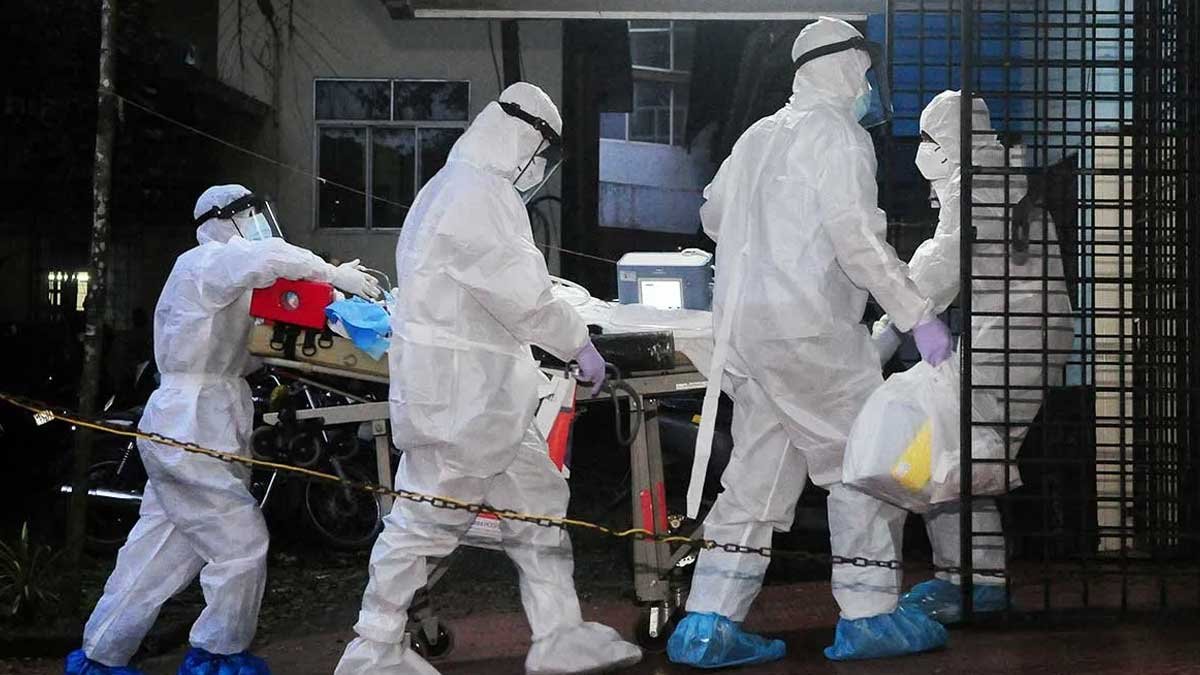
The Nipah virus is considered one of the deadliest zoonotic infections globally, not because it spreads rapidly like influenza or COVID-19, but because of its extremely high fatality rate, rapid progression, and severe brain involvement. Medical experts warn that once symptoms escalate, the disease can turn fatal within days. According to available data, the case fatality rate of Nipah virus ranges between 50 and 75 per cent, placing it among the most lethal viral infections known to humans. In this explainer, Dr Dip Narayan Mukherjee, Consultant – Microbiology and Infectious Diseases, CK Birla Hospitals, CMRI, sheds light on why the virus is so dangerous and difficult to control. Why Is the Nipah Virus So Deadly? According to Dr Mukherjee, Nipah’s lethality lies in a combination of delayed symptom recognition, aggressive disease progression, and early involvement of the brain. “Nipah virus often begins with very non-specific symptoms, which makes early detection difficult. By the time it is clinically suspected, the virus may have already affected the brain,” he explains. Early Symptoms Often Go Unnoticed One of the biggest challenges in controlling Nipah virus is that its initial symptoms closely resemble common viral illnesses, leading to delays in diagnosis and isolation. Early symptoms include: Fever Headache Cough Muscle pain General weakness “These symptoms are easily mistaken for flu, viral fever, or respiratory infections,” says Dr Mukherjee. “This delay gives the virus time to progress silently.” Severe Brain Infection Drives High Mortality The most dangerous aspect of Nipah virus infection is its neurological involvement. The virus frequently causes encephalitis, or inflammation of the brain, which significantly increases the risk of death. Neurological symptoms may include: Seizures Confusion and altered consciousness Extreme drowsiness Coma “Once the central nervous system is involved, the disease becomes very difficult to manage,” Dr Mukherjee notes. “At this stage, treatment is largely supportive because there is no specific antiviral therapy available.” This lack of targeted treatment options makes early detection critical. Human-to-Human Transmission Raises Risk While Nipah virus is primarily transmitted from fruit bats, it can also spread from person to person, particularly in healthcare settings. Dr Mukherjee points out that: Caregivers and healthcare workers are at higher risk Exposure to high viral loads can worsen outcomes Inadequate infection control increases transmission risk “Strict adherence to infection control practices is essential. Even a small lapse can result in secondary infections,” he says. Zoonotic Nature Makes Exposure Hard to Predict Nipah virus is transmitted from fruit bats, either directly or through intermediate hosts such as pigs. This zoonotic pattern makes outbreaks unpredictable, especially in regions where humans, animals, and wildlife interact closely. Adding to the challenge: There is no approved vaccine Treatment options remain limited Isolation protocols must be strictly enforced What Can Reduce Nipah Fatalities? According to experts, early action remains the most effective defence against Nipah virus. Key measures include: Early isolation of suspected cases Strict use of personal protective equipment (PPE) Rapid escalation and referral to specialised centres Strong hospital infection control protocols “The earlier the virus is identified and contained, the better the chances of preventing severe disease and fatalities,” Dr Mukherjee emphasises. The Bottom Line Nipah virus continues to be a serious public health threat because of its high fatality rate, neurological complications, and lack of targeted treatment. Its ability to masquerade as a mild illness in the early stages makes vigilance crucial. Health experts stress that awareness, early suspicion, and strict infection control are currently the most powerful tools to reduce deaths linked to this deadly virus. As Dr Mukherjee concludes, “With Nipah, time is the most critical factor. Early recognition can save lives.”
Latest News

Why Nipah Virus Has a High Fatality Rate: Factors Affecting Disease Severity

The Nipah virus is widely regarded as one of the deadliest zoonotic infections known to humans. With reported fatality rates ranging from 50...

Latest News

Stroke Risk in India: Symptoms and Urgent Action Steps

Stroke is a leading cause of death and disability in India, yet many people fail to recognize its warning signs until it is...