Home Latest News At 770gm, Premature Baby Battles Severe Health Complications and gets Second Lease of Life at Wockhardt Hospitals, Mira Road
Latest News

At 770gm, Premature Baby Battles Severe Health Complications and gets Second Lease of Life at Wockhardt Hospitals, Mira Road

Share
Share

A premature baby, born at only 27 weeks gestation and weighing a mere 770 grams, defied the odds and was discharged from Wockhardt Hospitals, Mira Road after conquering multiple health challenges like difficulty in breathing, Jaundice, Low sugar state, Electrolyte disturbance feeding problems. The dedicated efforts of a team of doctors including Dr. Nitu Mundhra, Consultant Neonatologist and Pediatrician, Wockhardt Hospitals, Mira Road, and the efficient team who discharged the baby successfully.


Couple Rakesh and Ritika Singh (name changed) *, residents of Mira Road were elated on their first pregnancy but the mother had severe pregnancy-induced hypertension and alarming episodes of vaginal bleeding before even reaching 7 months. At the 25th week of gestation (normal complete gestation is 40 weeks) the mother was admitted to the hospital, Mira Road with the above complaints. It was a very difficult situation for continuing the pregnancy and was also life-threatening for both the baby and mother. Also, delivering the baby this soon was a challenging situation as the baby’s organs were yet not developed properly. Despite the challenges of saving the life in both the months and baby days, the medical team had to do an emergency C-section under High-risk anesthesia.


Dr. Nitu Mundhra, Consultant Neonatologist and Pediatrician at Wockhardt Hospitals, Mira Road said, “The baby was too premature to sustain all the organ function properly. Respiratory distress syndrome (RDS) posed an immediate threat, prompting the administration of life-saving surfactant therapy within half an hour of birth. He suffered from a lot of complications related to prematurity like, infection, chronic respiratory problems, and necrotizing enterocolitis (NEC).


Dr Nitu added, “The tiny warrior faced intermittent episodes of apnoea, requiring vigilant monitoring and interventions. Despite challenges, the medical team employed cutting-edge treatment and left no stone unturned to give the baby an equal chance to survive. Feeding proved to be a delicate task, with the baby displaying intolerance and setbacks. However, a carefully orchestrated plan allowed for the resumption of feeds, culminating in the successful transition to full oral feeds fortified with essential nutrients. Finally, the baby was discharged after 3 months breathing on room air, accepting full oral feeds, and weighing around 2 kgs.


We proved family-centered care under which the mother was actively involved in the baby’s care she was trained in NICU for baby care and Kangaroo care throughout the stay so that home tradition remains smooth as it was. Baby came to follow-up feeding well gaining weight adjusted well to the home environment.


“Wockhardt Hospitals, Mira Road stands as a beacon of hope for expecting parents facing the challenges of premature pregnancies. With state-of-the-art facilities and a team of experienced specialists, the hospital is well-equipped to handle the delicate intricacies of premature birth. From advanced neonatal intensive care units to cutting-edge medical technology, Wockhardt Hospital spares no effort in ensuring that every premature baby receives the best possible chance at survival. By prioritizing early intervention and personalized treatment plans, Wockhardt Hospital is not only saving babies but also paving the way for advancements in neonatal care,” said Dr Pankaj Dhamija, Centre Head, Wockhardt Hospitals, Mira Road


“From unexpected complications during labor to concerns about the baby’s health, it felt like we were facing one hurdle after another. However, I will be forever grateful to the hospital for their swift and expert care, which ultimately led to the successful delivery of my precious baby. The medical team’s diligence in identifying and addressing potential issues was truly a lifesaver. Their quick thinking made all the difference in ensuring a safe outcome for both me and my little one,” concluded Ritika Singh (name changed) *, mother of the baby.


Share

Leave a comment

Leave a Reply

Your email address will not be published. Required fields are marked *

Don't Miss

Colorectal cancer
Latest News

EXPLAINED: What Your Health Insurance Won’t Pay For In Cervical Cancer Care

Cervical cancer remains one of the most common cancers among women in India. Early detection and timely treatment can save lives, but the...

Latest News

Union Budget 2026 LIVE: What Does the Healthcare Sector Seek?

As Finance Minister Nirmala Sitharaman presents the Union Budget 2026, the healthcare sector is closely tracking the announcements, hoping for decisive reforms that...

Cancer
Press ReleaseVirus & Disease

Nipah Virus Infection – India

Situation at a glance On 26 January 2026, the National IHR Focal Point for India notified WHO of two laboratory‑confirmed cases of Nipah...

Latest News

Hidden Cancers in Women: Early Symptoms You’re Probably Ignoring

Many cancers in women remain undetected until they reach advanced stages, making early awareness and screening critical. While breast and cervical cancers receive...

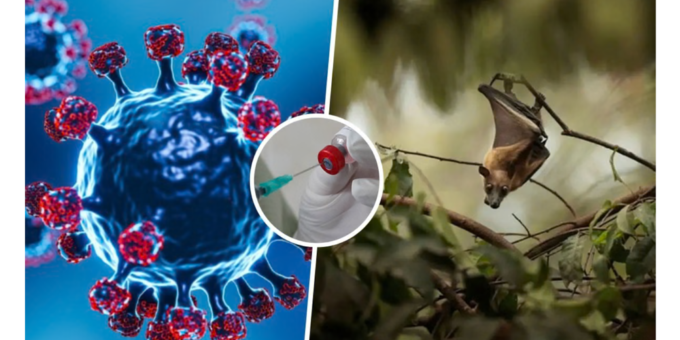
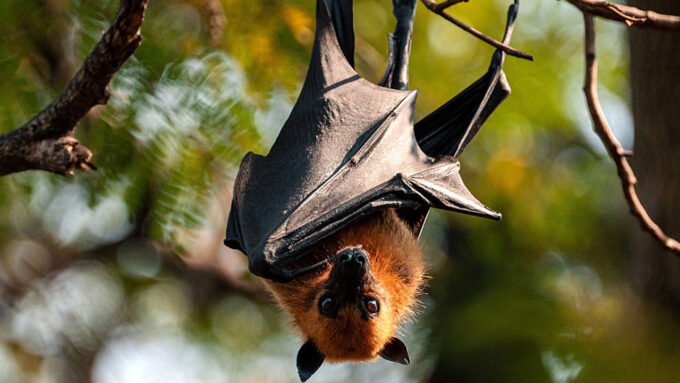
The Nipah virus is considered one of the deadliest zoonotic infections globally, not because it spreads rapidly like influenza or COVID-19, but because of its extremely high fatality rate, rapid progression, and severe brain involvement. Medical experts warn that once symptoms escalate, the disease can turn fatal within days. According to available data, the case fatality rate of Nipah virus ranges between 50 and 75 per cent, placing it among the most lethal viral infections known to humans. In this explainer, Dr Dip Narayan Mukherjee, Consultant – Microbiology and Infectious Diseases, CK Birla Hospitals, CMRI, sheds light on why the virus is so dangerous and difficult to control. Why Is the Nipah Virus So Deadly? According to Dr Mukherjee, Nipah’s lethality lies in a combination of delayed symptom recognition, aggressive disease progression, and early involvement of the brain. “Nipah virus often begins with very non-specific symptoms, which makes early detection difficult. By the time it is clinically suspected, the virus may have already affected the brain,” he explains. Early Symptoms Often Go Unnoticed One of the biggest challenges in controlling Nipah virus is that its initial symptoms closely resemble common viral illnesses, leading to delays in diagnosis and isolation. Early symptoms include: Fever Headache Cough Muscle pain General weakness “These symptoms are easily mistaken for flu, viral fever, or respiratory infections,” says Dr Mukherjee. “This delay gives the virus time to progress silently.” Severe Brain Infection Drives High Mortality The most dangerous aspect of Nipah virus infection is its neurological involvement. The virus frequently causes encephalitis, or inflammation of the brain, which significantly increases the risk of death. Neurological symptoms may include: Seizures Confusion and altered consciousness Extreme drowsiness Coma “Once the central nervous system is involved, the disease becomes very difficult to manage,” Dr Mukherjee notes. “At this stage, treatment is largely supportive because there is no specific antiviral therapy available.” This lack of targeted treatment options makes early detection critical. Human-to-Human Transmission Raises Risk While Nipah virus is primarily transmitted from fruit bats, it can also spread from person to person, particularly in healthcare settings. Dr Mukherjee points out that: Caregivers and healthcare workers are at higher risk Exposure to high viral loads can worsen outcomes Inadequate infection control increases transmission risk “Strict adherence to infection control practices is essential. Even a small lapse can result in secondary infections,” he says. Zoonotic Nature Makes Exposure Hard to Predict Nipah virus is transmitted from fruit bats, either directly or through intermediate hosts such as pigs. This zoonotic pattern makes outbreaks unpredictable, especially in regions where humans, animals, and wildlife interact closely. Adding to the challenge: There is no approved vaccine Treatment options remain limited Isolation protocols must be strictly enforced What Can Reduce Nipah Fatalities? According to experts, early action remains the most effective defence against Nipah virus. Key measures include: Early isolation of suspected cases Strict use of personal protective equipment (PPE) Rapid escalation and referral to specialised centres Strong hospital infection control protocols “The earlier the virus is identified and contained, the better the chances of preventing severe disease and fatalities,” Dr Mukherjee emphasises. The Bottom Line Nipah virus continues to be a serious public health threat because of its high fatality rate, neurological complications, and lack of targeted treatment. Its ability to masquerade as a mild illness in the early stages makes vigilance crucial. Health experts stress that awareness, early suspicion, and strict infection control are currently the most powerful tools to reduce deaths linked to this deadly virus. As Dr Mukherjee concludes, “With Nipah, time is the most critical factor. Early recognition can save lives.”
Latest News

Nipah Virus in India: What You Should Know and How to Stay Safe

Nipah virus (NiV) is a rare but highly dangerous zoonotic virus that can be transmitted from animals to humans and, in some cases,...

Section title

Related Articles
Obese patients
Latest NewsLifestyle

Obesity Linked to One in Ten Infection Deaths Globally, Major Study Reveals

A major international study published in The Lancet has found that obesity...

Latest News

NEET-PG 2025 Controversy: MD/MS Seats Allotted to Low and Negative Scorers

The NEET-PG 2025 third-round counselling has stirred nationwide debate after MD and...

Latest News

International Epilepsy Day 2026: Why Early Diagnosis and Treatment Can Change Lives for Millions in India

Every year, International Epilepsy Day serves as a crucial reminder of the...

Latest News

From Fever to Brain Swelling: A Complete Guide to Nipah Virus Symptoms Doctors Are Warning About

The Nipah virus (NiV) has once again made headlines as a deadly...

×