


New Delhi, 14 September, 2025: For a lot of people these days, reakfast is often the first casualty of busy schedules. Many people, particularly working professionals, college students, and even teenagers, tend to skip the first meal of the day in an attempt to save time, reduce calories, or simply because of poor eating habits. While it may seem harmless, science is increasingly showing that skipping breakfast can have a serious impact on both physical and mental health.
Recent studies suggest that people who frequently avoid breakfast are at a higher risk of metabolic disorders, heart disease, obesity, mood swings, and even reduced cognitive performance. This article explores why breakfast is called the “most important meal of the day,” what really happens when you skip it, and how it can affect your body in the long run.
Why Breakfast Matters So Much
The word “breakfast” literally means breaking the fast after a night’s sleep. During the 7–9 hours of rest, the body is in a fasting state. Glucose levels drop, metabolism slows, and energy stores are partially depleted. Eating breakfast in the morning helps:
- Replenish glucose levels, the main fuel for the brain and muscles.
- Kickstart metabolism, helping the body burn calories more efficiently throughout the day.
- Provide essential nutrients such as fiber, vitamins, and minerals that may be hard to make up later.
- Regulate hunger hormones, reducing cravings and overeating later in the day.
Skipping this meal disrupts this natural rhythm and can trigger a chain reaction of harmful effects.
The Dangerous Side Effects of Skipping Breakfast
1. Increased Risk of Heart Disease
Multiple studies have shown a clear connection between skipping breakfast and cardiovascular health. According to research published in the Journal of the American College of Cardiology, people who regularly avoid breakfast are at a significantly higher risk of developing atherosclerosis (hardening of arteries).
This happens because prolonged fasting increases stress hormone levels, raises blood pressure, and elevates bad cholesterol (LDL). Over time, this contributes to heart attacks and strokes.
2. Higher Chances of Type 2 Diabetes
Skipping breakfast has been linked to poor insulin sensitivity. When you go without food for too long in the morning, the body struggles to regulate blood sugar efficiently. A study in The American Journal of Clinical Nutrition found that people who skipped breakfast at least four times per week had a higher risk of developing type 2 diabetes compared to regular breakfast eaters.
The risk is especially concerning for people with obesity, metabolic syndrome, or a family history of diabetes.
3. Weight Gain and Obesity
Ironically, many people skip breakfast in the hope of losing weight. But studies show that skipping this meal often backfires. When you miss breakfast:
- Hunger hormones like ghrelin surge, leading to intense cravings later.
- People tend to overeat at lunch or dinner, consuming more calories than they saved in the morning.
- Skipping breakfast is associated with increased snacking, often on unhealthy, high-sugar foods.
Over time, this pattern contributes to weight gain and central obesity, which further increases the risk of lifestyle diseases.
4. Poor Mental Health and Mood Swings
Breakfast is directly tied to mental performance and emotional stability. Without replenishing glucose levels, the brain lacks its primary energy source, leading to:
- Irritability and mood swings
- Difficulty concentrating
- Reduced memory and problem-solving skills
- Higher stress and anxiety levels
Research published in Physiology & Behavior found that individuals who skipped breakfast reported poorer overall mood and lower energy levels throughout the day.
5. Digestive Issues
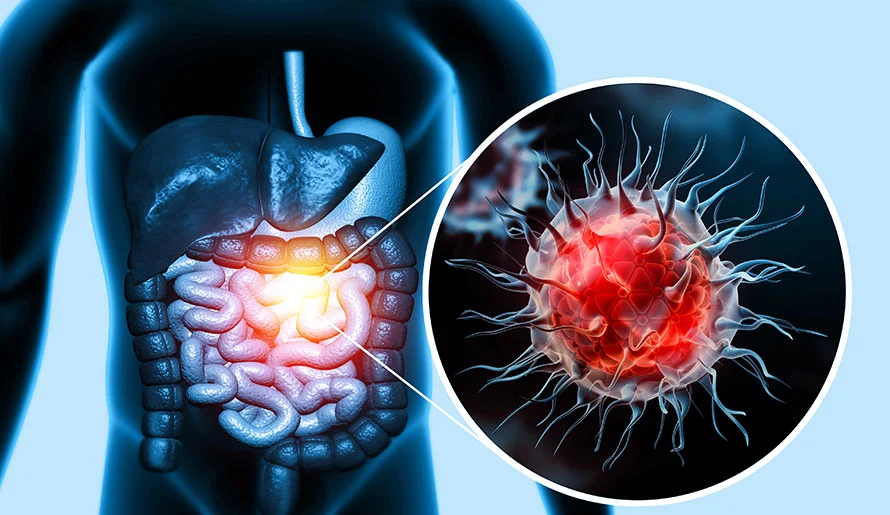
Skipping breakfast can also disrupt digestive health. When the stomach remains empty for too long, it continues producing gastric acid, which may increase the risk of acidity, bloating, and gastritis. For people prone to acid reflux, regularly missing breakfast can worsen symptoms significantly.
6. Hormonal Imbalance
Food intake in the morning plays a key role in regulating hormones such as insulin, cortisol, and ghrelin. When breakfast is skipped:
- Cortisol (the stress hormone) stays elevated for longer, leading to fatigue and stress.
- Ghrelin (the hunger hormone) spikes, creating uncontrollable cravings.
- Insulin function is impaired, leading to unstable blood sugar levels.
This hormonal roller-coaster not only impacts metabolism but also affects overall well-being.
7. Reduced Immunity
Breakfast often provides important vitamins and minerals such as vitamin C, vitamin D, zinc, and iron. Consistently missing out on these nutrients weakens the immune system, making the body more vulnerable to infections, colds, and slow recovery from illnesses.
Why Do People Skip Breakfast?
Despite the proven dangers, skipping breakfast is becoming increasingly common. Some of the most common reasons include:
- Busy lifestyles – People rushing to work or school often prioritize convenience over nutrition.
- Weight loss myths – Many believe that avoiding breakfast helps reduce calorie intake, which is misleading.
- Late-night eating – Consuming heavy dinners or midnight snacks suppresses morning appetite.
- Intermittent fasting trends – While controlled fasting can have benefits, indiscriminately skipping breakfast without proper planning may be harmful.
- Lack of awareness – Many underestimate the long-term consequences of regularly missing breakfast.
Who Is Most at Risk?
Certain groups face more severe health consequences from skipping breakfast:
- Students: Missing breakfast affects concentration, learning, and academic performance.
- Working professionals: Increased stress and poor eating habits later in the day worsen health risks.
- Diabetics: Skipping meals leads to dangerous blood sugar fluctuations.
- Elderly individuals: Nutrient deficiencies and muscle loss accelerate with irregular eating.
What Makes a Healthy Breakfast?
Not all breakfasts are equal. A plate of sugary cereals or white bread may cause sugar spikes and crashes. For a truly healthy breakfast, experts recommend a balance of:
- Complex carbohydrates: Oats, whole wheat bread, brown rice idlis, or millets.
- Proteins: Eggs, Greek yogurt, paneer, lentils, or nuts.
- Healthy fats: Avocados, nuts, seeds, or olive oil.
- Fiber and micronutrients: Fruits, vegetables, chia seeds, and flaxseeds.
Examples of nutritious breakfasts include:
- Oats topped with nuts and berries
- Vegetable poha or upma with peanuts
- Eggs with whole wheat toast and avocado
- Smoothie made with spinach, banana, protein powder, and almond milk
Can Skipping Breakfast Ever Be Beneficial?
Some experts argue that in intermittent fasting regimens, skipping breakfast can support weight management and metabolic health. However, this is effective only when planned carefully and paired with nutrient-dense meals later in the day. Randomly skipping breakfast while snacking on processed foods later defeats the purpose.
Thus, while intermittent fasting can be beneficial for some, it should not be confused with habitually skipping breakfast without structure.
Practical Tips to Never Miss Breakfast
- Prepare the night before – Soak oats, cut fruits, or pack overnight smoothies.
- Keep it simple – Even a banana with nuts or a boiled egg is better than nothing.
- Wake up 10 minutes earlier – Small lifestyle adjustments go a long way.
- Plan balanced meals – Aim for protein + fiber + healthy fat.
- Avoid processed quick fixes – Sugary cereals or pastries may feel convenient but harm more than they help.
Skipping breakfast may seem like a harmless habit, but mounting evidence shows that it carries serious long-term health risks. From heart disease and diabetes to obesity, mood swings, and weakened immunity, the side effects are far-reaching.
Breakfast is not just about eating early — it’s about fueling your body and mind for the day ahead. With a balanced plate of whole grains, proteins, healthy fats, and fruits, you not only improve physical health but also boost mental performance and overall well-being.
So, the next time you think of rushing out the door without breakfast, remember: your body pays the price later. Make it a priority — because the simplest meal of the day could also be the most life-saving.
















Leave a comment