
Home Latest News Antibiotic Resistance Crisis Behind 33% of Sepsis Deaths in India
Latest News

Antibiotic Resistance Crisis Behind 33% of Sepsis Deaths in India

Share
ICM, Antibiotics
ICMR
Share

The overuse and misuse of antibiotics in India are causing serious health problems. According to a recent study published in The Lancet, bacterial infections were responsible for 60% of the 2.99 million sepsis-related deaths in India in 2019. Of these, around 1.04 million deaths (33.4%) were linked to bacterial antimicrobial resistance (AMR), with 290,000 deaths directly caused by it. Sepsis is a severe response of the immune system to bacterial infections, leading to organ failure if not treated in time.

What Is Antimicrobial Resistance (AMR)?

AMR occurs when bacteria develop resistance to the drugs designed to kill them, making infections harder to treat. It is a growing global health issue that is expected to worsen in the future. The Lancet predicts that more than 39 million people worldwide could die from antibiotic-resistant infections over the next 25 years.

The study, conducted by the Global Research on Antimicrobial Resistance (GRAM) Project, offers a detailed analysis of AMR trends.

India’s AMR Problem: Top Resistant Bacteria

In India, the most common antibiotic-resistant bacteria include:

E. coli, which causes stomach infections.

Klebsiella pneumoniae, known for causing pneumonia and urinary tract infections.

– Acinetobacter baumannii, often linked to hospital-acquired infections.

These drug-resistant pathogens make treating infections increasingly difficult, leading to higher death rates.

Sepsis and AMR in Children

The study also revealed that children under five are particularly vulnerable. In 2019, 500,000 children died from sepsis, and bacterial infections caused 325,000 of these deaths. The deadliest bacteria for this age group is Streptococcus pneumoniae.

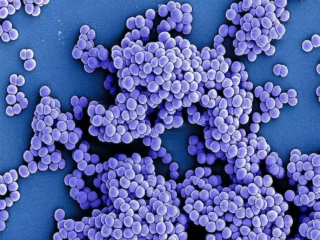
Globally, deaths from methicillin-resistant Staphylococcus aureus (MRSA) increased sharply, from 57,200 in 1990 to 130,000 in 2021. Resistance among gram-negative bacteria, like carbapenem-resistant bacteria, also saw a notable rise.

Share

Leave a comment

Leave a Reply

Your email address will not be published. Required fields are marked *

Don't Miss

Latest News

Arthritis in Winter: Why Cold Weather Worsens Joint Pain and How to Fight It

New Delhi, 27 November, 2025: For many people living with arthritis, winter can be particularly challenging. The cold, damp months often bring stiff...

Latest News

How Stress Affects Your Heart and Blood Sugar — And What to Do About It

New Delhi, 27 November, 2025: Stress is an unavoidable part of modern life, but its impact on the body extends far beyond feeling...

Delhi Winter
Latest News

Why Cold Mornings Could Be Secretly Straining Your Heart

New Delhi, 27 November, 2025: For many people, mornings are already a rush—coffee, breakfast, commuting—but for those stepping out into cold winter air,...

Latest News

Why Heart Attacks Increase in Winter: What You Need to Know

New Delhi, 28 November, 2025: Winter brings shorter days, colder temperatures, and a rise in seasonal illnesses—but it also coincides with a notable...

Latest News

Anti-Inflammatory Foods That Reduce Arthritis Flare-Ups

New Delhi, 28 November, 2025: Arthritis affects millions of people worldwide, causing joint pain, stiffness, and inflammation that can disrupt daily life. While...

Section title

Related Articles
Latest News

Total Lunar Eclipse 2026: Tips To Follow For Safety During Chandra Grahan

Lunar Eclipse 2026: A lunar eclipse occurs when the Sun, Moon, and Earth...

Parkinson's Disease
Latest News

Beyond Dopamine: New Study Highlights Forgotten Brain Regions in Parkinson’s

Parkinson’s is one of the diseases that has been known to be...

Latest News

Sleep Loss and Diabetes: How Less Sleep Can Spike Blood Sugar Even Without Weight Gain

New research reveals that sleep deprivation is more than just a drain...

×