

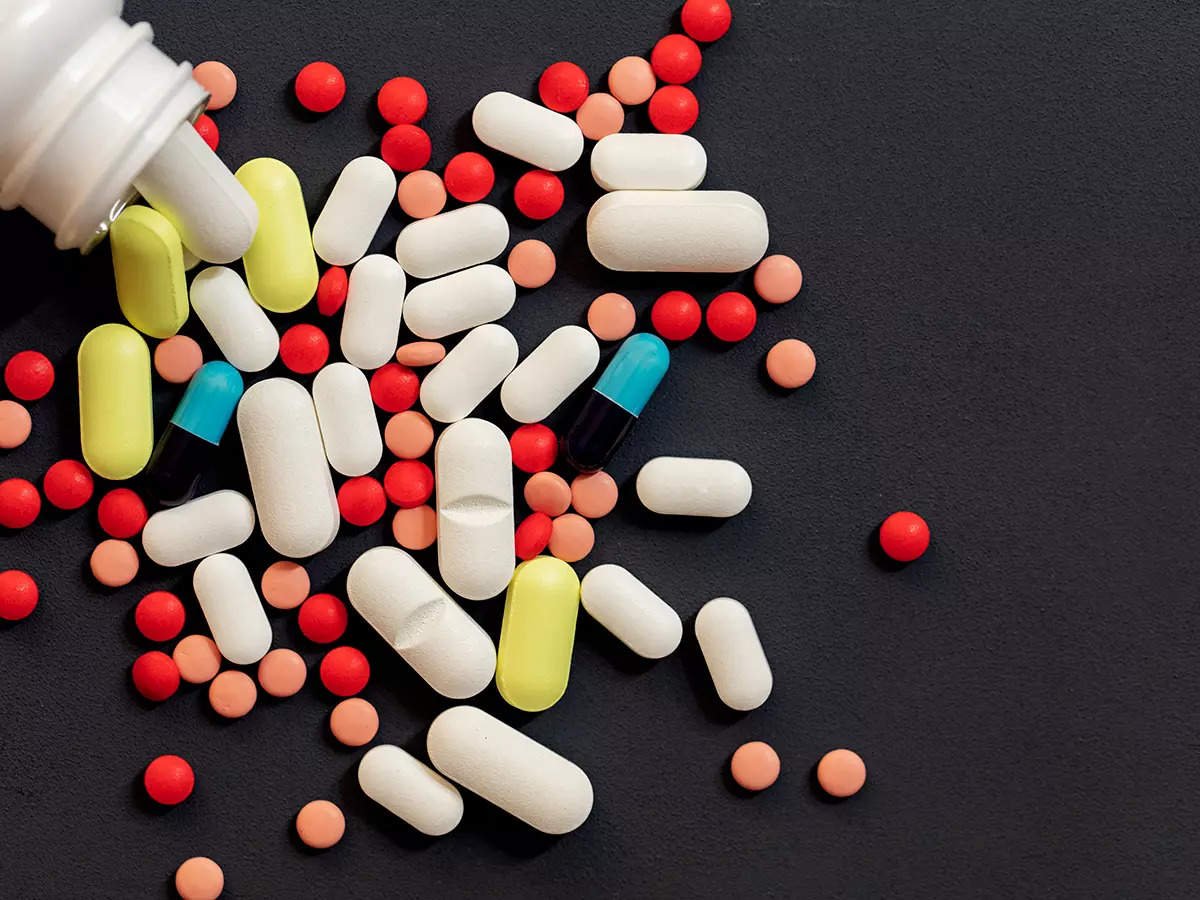
Antibiotics have been one of the most important medical breakthroughs in modern history. The drugs converted deadly diseases to curable ones and saved millions of lives all over the globe. But nowadays, antibiotics are being misused and in excess amounts, which is threatening to reverse decades of medical advancement.
Antibiotic resistance is becoming one of the most severe threats to the world in terms of human health. The World Health Organisation has on numerous occasions cautioned that the rate at which people are becoming resistant to antibiotics is alarming and this may result in a scenario where people should no longer be able to cure simple ailments in the future. In such nations as India, it is an even more worrying trend, because it is common to self-medicate and easy to get antibiotics without adequate medical consultation.
According to Dr Pratibha Patel, Consultant – Internal Medicine at Manipal Hospital, Bhubaneswar, explains the misuse of antibiotics in everyday illnesses is a major driver of antibiotic resistance in India.
The World Health Organisation has declared antibiotic resistance as one of the key health concerns. The abuse and overuse of antibiotics is an epidemic in India, she says. It is important to learn the reasons behind this occurrence and its consequences on the health of the people in order to avoid a future when even a simple disease can prove fatal.
What is Antibiotic Resistance?
According to Dr Jayanti Khura, “Antibiotics are drugs that are used to kill or inhibit the development of bacteria that cause diseases. However, they do not act on the viruses. Using antibiotics without the need or taking them improperly makes bacteria become resistant to them gradually.”
With time, such bacteria get to learn how to endure the impacts of antibiotics that previously killed the bacteria. This is what is termed as the Antibiotic Resistance.
The spread of resistant bacteria increases the difficulty of treatment because they will require more powerful drugs, increase treatment duration, and, in some cases, hospitalisation. In extreme situations, the infections of resistant bacteria are untreatable.
Common Illnesses Where Antibiotics are Misused
The antibiotic overuse is one of the largest contributors of taking antibiotics due to diseases that do not mean that the medication is necessary. According to Dr. Khura, the most widespread examples are:
1. Common Cold and Flu
A lot of individuals consume antibiotics such as Azithromycin when they contract cold, cough, or flu. However, the causes of such diseases are normally viruses. Antibiotics are only effective against bacteria and thus their use in the case of a viral infection is futile and makes them develop resistance to antibiotics. The majority of viral pathogens do not need treatment and can be resolved by taking a rest, hydration, and support therapy.
2. Diarrhoeal Illness
The other abuse that is done is during diarrhoea. The first thing that many individuals do is to prescribe combinations of antibiotics like Ornidazole and Ofloxacin. Not every diarrhoea is as a result of bacterial infections. The disease is in most instances viral or as a result of transitory digestive upheavals. Such cases of antibiotic use that are unnecessary may destroy intestinal health and encourage resistant bacteria.
Why Self-Medication is so Common in India?
Some social, economic and cultural aspects cause excessive use of antibiotics in India.
Easy Access to Antibiotics
In most locations, there are attractive over-the-counter sales of antibiotic formulations. It implies that they have an opportunity to just enter a pharmacy and buy antibiotics without consulting a doctor. Accessibility is a very important matter that enhances self-medication.
Avoiding the Cost of Medical Consultation
Access to healthcare is also one of them. A trip to a private hospital might be costly, whereas the government hospitals may require a significant amount of time to attend.
According to the doctor (Dr Khura), many individuals are tempted to go directly to the pharmacy to purchase medicines without consulting a doctor as a way of wasting time and money. Since the method can be convenient within a short period, it can have harmful health outcomes in the long term.
The Influence of Social Media
Another source of the problem has been the social media platforms. Various false rumors were spread online during the COVID-19 Pandemic that prescribed antibiotics as a response to the symptoms associated with the flu.
Most of such allegations go viral on WhatsApp and other communication media. People were afraid to take antibiotics when they did not need them because of fear and uncertainty about the pandemic. This saw a rise in the use of antibiotics in most societies.
Advice From Friends and Family
The use of relatives or acquaintance health advice is another aspect that is practiced in India. Suggestions such as: are adhered to by many people. I was having a fever the month before and the doctor prescribed me this antibiotic. You should try it too.”
But not all fevers are brought about by the same infection. What suits one individual might not be fitting another individual. Coming into this kind of informal advice may result in the unneeded or inaccurate use of antibiotics.
Using Leftover Antibiotics
Another significant source of antibiotic misuse is leftover medicine of the past prescriptions. A large number of individuals keep the unused antibiotics in the house and use them at a later time when they get unwell.
This is a harmful practice since:
- The drug might not be the appropriate one to use in the practical disease.
- The dosage may be incorrect
- The antibiotic treatment can be unfinished.
These practices play a major role in the resistance of antibiotics.
Hidden Dangers of Antibiotic Overuse
The health impact of the unnecessary use of antibiotics is not known to many. Dr Khura stresses that it is not just a short-term illness.
1. Development of Drug-Resistant Bacteria
Taking antibiotics without any need causes the existing bacteria that is vulnerable to be killed, which enables the resistant bacteria to endure and multiply. Such resistant bacteria are then capable of diffusing against communities. Infections which were previously easy to treat become very difficult to address with time.
2. Difficult-to-Treat Infections
The resistance of most infections against antibiotic use is rendering infections more difficult to treat.
Examples include:
- Pneumonia
- Urinary Tract Infection
- Typhoid
- Tuberculosis
Doctors, in such cases, might have to prescribe stronger antibiotics or various drugs. Diseases can even develop resistance towards most of the treatment options.
3. Increased Risk of Severe Illness
Bacteria are becoming resistant to such common antibiotics, and due to this, infections become more intense and chronic. Patients may experience:
- Longer illness duration
- Higher complication risk
- Greater potential of hospitalisation.
In severe situations, the infection can be taken to the treatment of intensive units.
4. Rising Healthcare Costs
Ironically, in an effort to save money by not having to visit the doctor often results in the increased medical expenses at a later time.
The consequences of antibiotic resistance would be:
- Longer hospital stays
- More expensive medications
- Further diagnostic examinations.
- Intensive care treatment
Such complications cause a substantial rise in the cost of healthcare to both patients and the health care institutions.
5. Damage to Gut Health
The antibiotics are not selective, as they do not only attack the bad bacteria but also attack good bacteria found in the digestive system. These are some of the good bacteria that are necessary in the digestion systems, immunities, and general well-being.
The heavy use of antibiotics may affect this fine balance. This leads to people developing the Antibiotic-Associated Diarrhea. In extreme situations, end result can be dehydration, complication, and hospitalisation.
Why Completing an Antibiotic Course Matters?
The other similar problem is the discontinuation of antibiotics when there is an improvement in symptoms. In cases where patients fail to take all the course, some bacteria can survive. These bacteria that survive can evolve and be resistant. This explains why physicians advise on completing the full course of medication even when the symptoms are gone prematurely.
Role of Doctors and Healthcare Workers
Medical practitioners can have significant contributions towards fighting against resistance to antibiotics. Physicians should make sure that antibiotics are not prescribed improperly. Laboratory tests like bacterial cultures should be used to detect the best antibiotic to be used when possible.
Prescribing habits can be conducted responsibly to limit the unnecessary exposure to antibiotics. Simultaneously, physicians need to train patients on the types of the dangers of self-medication and the necessity of using antibiotics correctly.
What Patients Should Know
Antibiotic resistance spread can only be stopped by awareness of the general population. The patients must keep in mind several important lessons:
1. Not Every Infection Needs Antibiotics
Most joint infections, particularly colds and Lung diseases are viral and do not need antibiotics. The supportive care, rest, and hydration are normally enough.
2. Never Take Antibiotics Without a Prescription
Antibiotic self medicine may be counterproductive. One should not have any antibiotic therapy without consulting a doctor.
3. Do Not Use Old Prescriptions
Prescription given to a different infection may inappropriately apply to a new infection.
Inappropriate treatment may be used because of using old prescriptions.
4. Avoid Leftover Medication
Do not use left over antibiotics kept back at home. Instead of being re-used, drastic medical waste should be safely disposed.
5. Follow the Prescribed Dosage
It should be remembered that in cases of the need of antibiotics, one should:
- Take them at the correct time
- Take appropriate dosage.
- Attend all the treatment course.
This will ensure that the infection is treated effectively and minimize chances of resistance.
Need for Stronger Regulations
Another important point raised by experts is the enforcement of stricter rules on the sale of antibiotics. The dispensing of antibiotics should preferably be done on a valid prescription. The incidences of self-medication may be greatly reduced by enforcing the existing regulations. Also, social health campaigns would be useful in sensitising the citizens on the harmful effects of antibiotic use.
A Global Health Crisis in the Making
Antibiotic resistance is not only a personal issue but also a worldwide health issue. WHO has sounded the alarm on numerous occasions, that the globe might be on the brink of a post-antibiotic age when even trivial infections might become life-threatening.
Without suitable actions taken so far to control the problem of antibiotic misuse, even basic medical processes like surgery, cancer treatments and organ-transplants may become more dangerous as infection may be impossible to treat.
Combined efforts are needed to deal with the problem of antibiotic resistance. The role has to be played by governments, healthcare professionals, pharmacists, and patients.
Key strategies include:
- Enhancing the rules of antibiotics prescription.
- Educating the people about the abuse of antibiotics.
- Responsible prescribing promotion.
- Further development of antibiotics and treatments should be encouraged through research.
Most importantly people should appreciate that antibiotics are potent drugs which should be taken in moderation.
The use of antibiotics has helped in saving millions of lives and at the same time is now threatening their use because of abuse and overuse. The increase in antibiotic resistance in India is due to Self-medication, easy access to antibiotics, misinformation in social media and cultural habits. The effects are far reaching than personal health as explained by Dr. Jayanti Khura.
The problem of antibiotic resistance can complicate the treatment of infections, raise its healthcare costs, and jeopardise the efficacy of the modern healthcare, in general. Awareness, informed patient behaviour, and responsible prescribing is the solution. The current wisdom about using antibiotics is to make them useful to the upcoming generations.
Disclaimer: Dear readers, this article provides general information and advice only. It is not at all professional medical advice. Therefore, always consult your doctor or a healthcare specialist for more information.













Leave a comment