

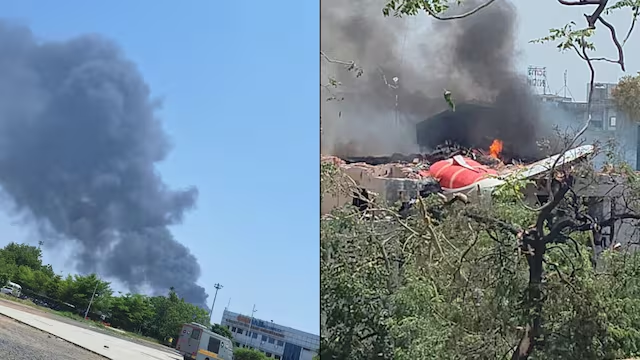
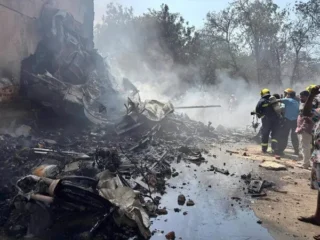
New Delhi, 12 June 2025: The tragic crash of an Air India Ahmedabad-London flight, which went down shortly after takeoff and resulted in devastating loss of life, has left many shaken and anxious about air travel. With 242 passengers and crew onboard, the flight reportedly crashed into a residential area minutes after departure, triggering panic and heartbreak across the nation. As investigations continue, aviation experts emphasize that while air travel remains statistically one of the safest modes of transport, incidents like this can deeply impact the mental health of frequent fliers and first-time travellers alike. Flight-related anxiety is a real and valid condition that can intensify after hearing news of plane crashes, turbulence, emergency landings, or technical failures. Here are five expert-backed tips to help manage anxiety during a flight emergency or even while preparing for a journey in the aftermath of such tragic incidents.
1. Learn the Facts About Air Travel Safety to Fight Irrational Fears
One of the first steps to managing airplane-related anxiety is to understand the actual statistics and facts. According to aviation experts, commercial air travel is still significantly safer than other forms of transportation, including driving. Planes are maintained to strict global safety standards, pilots are rigorously trained to handle emergencies, and modern aircraft are equipped with systems to manage a wide range of technical failures. Understanding these facts can help rationalize fear and reduce catastrophizing thoughts, especially in moments of turbulence or unexpected sounds during a flight. Knowledge combats fear—remind yourself that every bump in the air doesn’t signal danger.
2. Practice Controlled Breathing and Grounding Techniques During Panic Moments
During a plane emergency or panic episode, controlled breathing can help regulate your nervous system. Try the 4-7-8 method—inhale through the nose for four seconds, hold the breath for seven seconds, and exhale slowly through the mouth for eight seconds. This technique slows your heart rate and sends a message to your brain that you are safe. Experts also recommend grounding exercises such as the 5-4-3-2-1 technique: name five things you can see, four you can touch, three you can hear, two you can smell, and one you can taste. These exercises distract the brain from spiralling into fear and anchor you in the present moment.
3. Focus on Crew Instructions and Visual Cues, Not Your Inner Thoughts
During in-flight emergencies or turbulence, the best strategy is to focus outward—not inward. Pay attention to flight attendants, announcements, and safety instructions. The cabin crew is trained for all kinds of emergencies, and their calmness can offer valuable reassurance. Observing how the crew reacts helps gauge the real severity of a situation—if they are calm and composed, chances are you’re safe and the situation is under control. Instead of letting your imagination run wild, concentrate on external actions and cues which often reveal that the situation is being handled professionally.
4. Create a Coping Kit: Music, Guided Meditation, and Soothing Distractions
Before flying, especially after hearing about a crash, prepare a coping toolkit to carry onboard. This could include noise-cancelling headphones, calming music playlists, audiobooks, or apps like Headspace or Calm for guided meditations. Having something familiar and soothing to focus on during a flight can lower anxiety levels. Experts also recommend journaling your feelings before takeoff or carrying a comforting object like a stress ball or scarf with a calming scent. These small, intentional items help regain control when anxiety spikes during turbulence, long takeoffs, or sudden announcements from the cockpit.
5. Seek Professional Help if Flight Anxiety Becomes Unmanageable
If your anxiety about flying escalates to the point where it’s affecting your ability to travel or function, consider seeking professional help. Therapists trained in Cognitive Behavioral Therapy (CBT) can help reframe negative thought patterns and offer exposure therapy to gradually reduce the fear of flying. Some airlines and airports even offer “Fear of Flying” courses that include sessions with pilots and psychologists to demystify air travel. If needed, consult a doctor about temporary medication to manage severe anxiety during flights, but always under professional supervision. Remember, there is no shame in seeking help—facing your fears is a sign of strength, not weakness.
The Air India Ahmedabad-London crash has understandably shaken public confidence and triggered flight anxiety for many. But it’s important to remember that while such tragedies are heartbreaking, they remain rare. Managing flight anxiety during emergencies starts with preparation, mindfulness, and trust in aviation safety systems and crew. By equipping yourself with calming techniques, grounding tools, and accurate knowledge, you can fly with greater peace of mind. Staying calm during in-flight challenges is not just about bravery—it’s about strategy, awareness, and self-care.














Leave a comment