

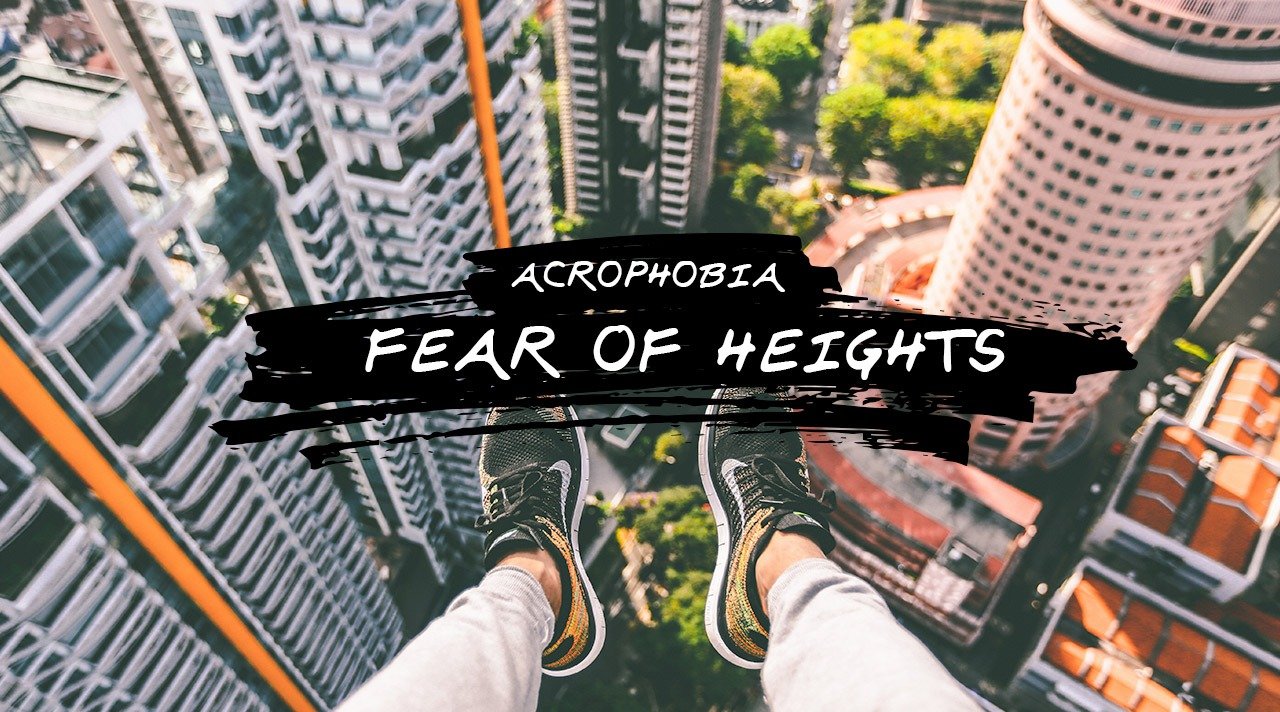
Have you ever noticed how your heart beats up when you are in the balcony or looking out of a high rise building? Or maybe you have had the feeling of sudden spinning even when lying down? Both experiences can be said to be similar, but they are indicative of two very different conditions, acrophobia and vertigo. The distinction between the fear of heights and a medical balance disorder is critical to effective treatment and a relaxed mind.
What Is Acrophobia?
Acrophobia is an extreme, unreasonable fear of heights. It is a form of phobia in the category of anxiety disorders. Acrophobics can suffer panic attacks, sweat, tremors, nausea, or a desire to get away whenever they encounter heights, although they may be safe.
In contrast to their usual precaution when it comes to high places, acrophobia incites the feeling of sheer terror that cannot be controlled. It is a psychological response, the brain functions as it sees danger even in the absence of danger. The fear centre of the brain, the amygdala, overreacts, causing the body to get into a fight or flight mode.
Common triggers include:
- Standing on balconies
- Viewing through the high buildings.
- Climbing ladders
- Crossing bridges
- Observing height related scenes in films.
Acrophobia is treatable. Cognitive Behavioral Therapy CBT, the gradual exposure therapy and even the virtual reality based therapies have been promising.
What Is Vertigo?
On the contrary, vertigo is not a fear, but a symptom of a medical illness. It gives an illusion of spinning or movement when these things are not in motion. In comparison to acrophobia, vertigo may be experienced even when you are lying or sitting.
The issue of vertigo is commonly associated with inner ear issues, leading to an impairment of balance. Benign Paroxysmal Positional Vertigo BPPV is one of the most widespread reasons, and it can happen when small particles of calcium in the ear lose their position. Others are infection, migraine or neurological disorders.
The following symptoms may be experienced:
- Spinning sensation
- Loss of balance
- Nausea or vomiting
- Headache
- Ringing in the ears
In contrast to acrophobia, vertigo needs to be examined. The treatment can include certain head movements such as the Epley manoeuvre, drugs or treatment of underlying conditions.
Acrophobia Vs Vertigo: Know The Difference
The National Institute Of Health Says,”Visual height intolerance and acrophobia are characterized by a dissociation between subjective fear and objective danger of falling. Although the thus affected individuals are able to recognize this discrepancy, they can typically overcome inappropriate avoidance behavior only with difficulty”.
The awareness of the difference can make you find the appropriate help.
- Acrophobia is psychological, and vertigo is medical.
- Acrophobia is only triggered by heights, and vertigo can be triggered at any time.
- Not vertigo, spinning, or imbalance, but acrophobia makes one feel terrified and anxious.
- Acrophobia is amenable to treatment, and vertigo might require treatment.
In case you experience dizziness every time you look down from high heights and then your symptoms disappear when you leave, it might be acrophobia. However, when your head swings even when in safe and low locations, then it might be triggered by vertigo.
When Should You See a Doctor?
It is recommended to consult a doctor in case of frequent dizziness, hearing loss, headaches, and loss of balance. Complications can be avoided by early diagnosis. When fear is disrupting your travel plans, employment or life in general, seeking the services of a mental health expert is the way to go. The two conditions can be controlled through the appropriate approach.
It is not unusual to be intimidated by heights. However, extreme panic is acrophobia, and spinning is the beginning of vertigo. The awareness of the distinction enables you to do the correct action, be it treatment or medical attention and regain control over your life.













Leave a comment