

New Delhi, 06 June 2025: In today’s world, stress has become an almost unavoidable part of daily life. From juggling work responsibilities to managing personal commitments, the constant pressure can take a toll on both your mental and physical health. Fortunately, one of the most natural and effective ways to manage stress is also one of the oldest: yoga.
Yoga is more than just a physical workout. It is a mind-body practice that blends breathing techniques, physical postures (asanas), and meditation to promote holistic well-being. Regular practice of yoga asanas has been shown to reduce stress, improve mood, and support overall mental wellness.
As stress-related disorders continue to rise, understanding how yoga can improve mental health is more important than ever. Here’s how daily yoga practice can help ease stress and bring more calm and clarity to your life.
How Yoga Helps in Reducing Stress
Stress affects the body in many ways — increased heart rate, high blood pressure, disrupted sleep, fatigue, and mood swings. When practiced regularly, yoga counteracts these effects by calming the nervous system, regulating the breath, and encouraging mindfulness.
Here’s how:
1. Calms the Nervous System
Yoga activates the parasympathetic nervous system — the “rest and digest” mode of the body — which lowers cortisol (the stress hormone), reduces heart rate, and eases anxiety. Poses like Balasana (Child’s Pose) and Savasana (Corpse Pose) help induce a state of relaxation, soothing both the body and mind.
2. Promotes Mindfulness
The combination of deep breathing and physical movement in yoga encourages mindfulness, helping you focus on the present moment. This can significantly reduce anxious thoughts and overthinking — two common effects of chronic stress.
3. Boosts Mood Naturally
Practicing yoga daily boosts the production of dopamine and serotonin — the “feel-good” hormones. It also reduces levels of the stress hormone cortisol, creating a natural antidepressant effect without medication.
4. Improves Sleep Quality
One of the most common side effects of stress is insomnia or poor sleep. Yoga, particularly restorative poses and pranayama (breath control), helps calm the mind before bedtime, promoting deeper and more restful sleep.
Top Yoga Asanas That Help with Stress Relief
Incorporating the following yoga asanas into your daily routine can help you manage stress more effectively:
- Balasana (Child’s Pose): Calms the mind, eases fatigue, and reduces anxiety.
- Viparita Karani (Legs-Up-the-Wall Pose): Reduces tension and helps with insomnia.
- Adho Mukha Svanasana (Downward-Facing Dog): Relieves physical tension in the body and energizes the mind.
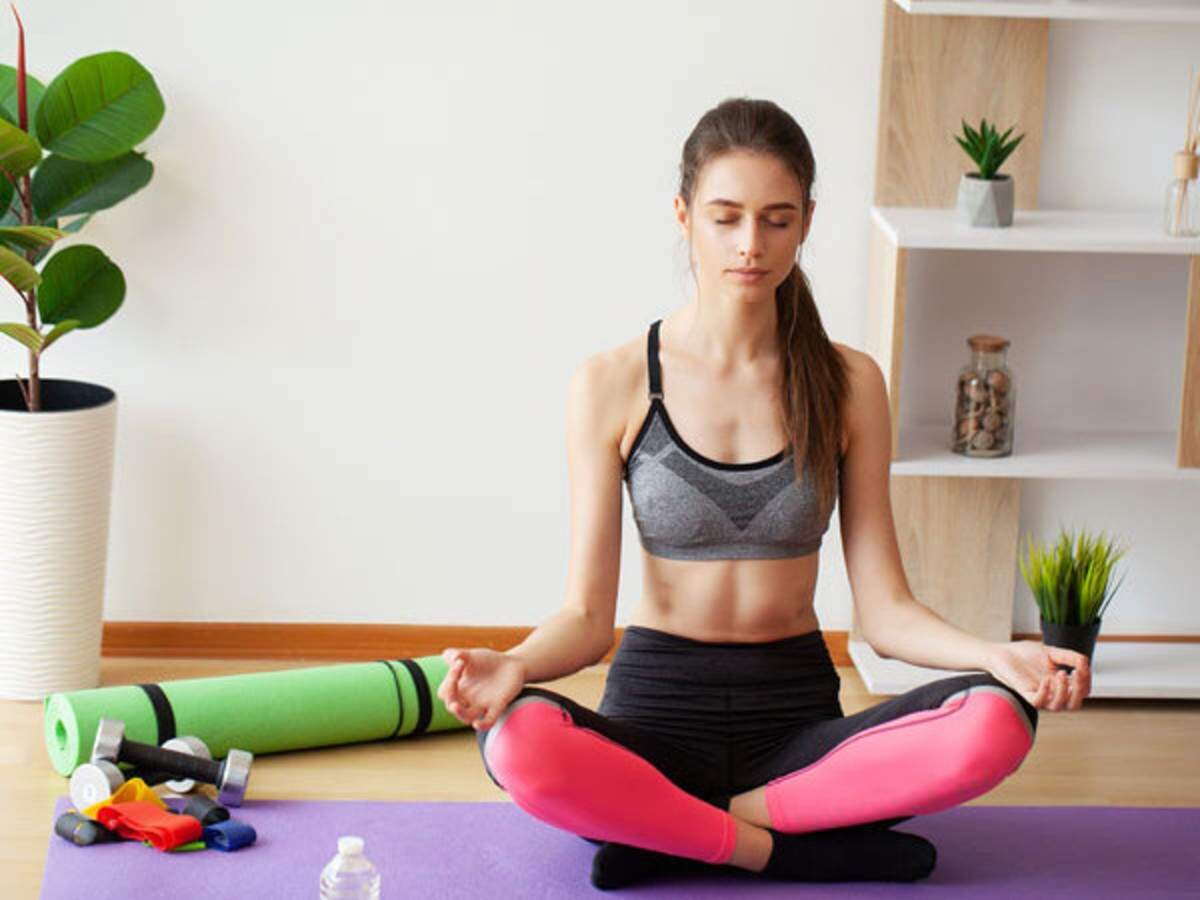
- Sukhasana (Easy Pose with Deep Breathing): Ideal for mindfulness and meditation.
- Uttanasana (Standing Forward Bend): Releases pressure from the spine and soothes the nervous system.
The Role of Pranayama in Mental Well-Being
Breathing exercises, or pranayama, are an essential part of yoga that offer powerful stress relief. Techniques like Anulom Vilom (alternate nostril breathing) and Bhramari (bee breath) help oxygenate the brain, reduce anxiety, and promote emotional balance.
Yoga and Mental Health: Scientific Backing
Numerous studies support yoga’s benefits for mental health. Research published in the Journal of Clinical Psychology and Frontiers in Psychiatry shows that regular yoga practice significantly reduces symptoms of anxiety, depression, and stress-related disorders.
Yoga is also now recommended by mental health professionals as a complementary therapy for those dealing with burnout, PTSD, and chronic stress.
Practicing yoga every day — even for just 15 to 30 minutes — can lead to significant improvements in your mental well-being. It helps you connect with your breath, ground yourself in the present, and release physical and emotional tension.
So if you are feeling overwhelmed, anxious, or mentally drained, roll out your mat and breathe. With regular practice, yoga can become your most powerful tool for stress management and inner peace.
















Leave a comment