

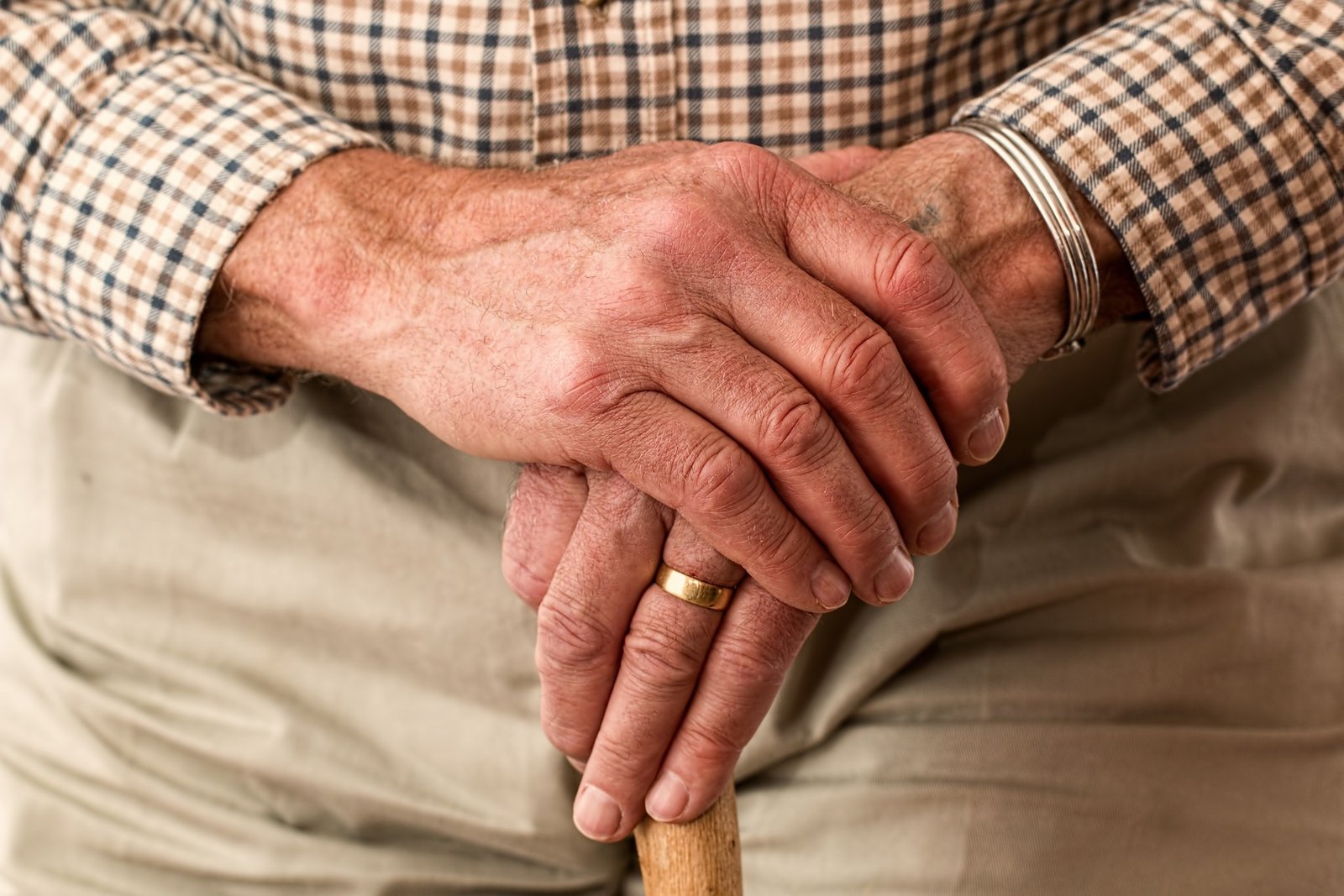
New Delhi, 23 July 2025: If your hands often feel cold even when the weather is warm, it may signal poor blood circulation or an underactive thyroid. Conditions like hypothyroidism can slow down metabolism and reduce blood flow, especially to the extremities. Persistent cold hands may also be linked to Raynaud’s phenomenon, where small blood vessels spasm and restrict circulation in response to cold or stress.
Shaky hands might point to neurological problems or stress
Occasional hand tremors can be normal after caffeine or intense workouts, but frequent or unexplained shaking could indicate a neurological disorder like essential tremor or Parkinson’s disease. It may also be a sign of chronic anxiety, stress, or even overuse of stimulants. If hand tremors worsen over time or are accompanied by stiffness or coordination problems, a medical evaluation is recommended.
Red or swollen fingers may hint at autoimmune diseases
Fingers that appear inflamed, reddish, or swollen without injury might be a warning sign of autoimmune conditions such as rheumatoid arthritis or lupus. These diseases cause the immune system to attack healthy joints, leading to chronic inflammation, pain, and stiffness, especially in the hands and wrists. Early diagnosis is key to managing symptoms and preventing joint damage.
Numbness or tingling in the hands could signal nerve damage or diabetes
A pins-and-needles sensation in the hands, especially if it occurs frequently, might indicate nerve compression such as carpal tunnel syndrome, which affects people who do repetitive hand motions like typing. It may also suggest diabetic neuropathy—nerve damage caused by uncontrolled blood sugar levels. Persistent numbness should not be ignored as it can lead to permanent nerve damage.
Clubbing of fingers may reflect lung or heart disease
When the tips of the fingers become enlarged and the nails curve downward, it’s called clubbing. This condition is often associated with low oxygen levels in the blood and may be a red flag for chronic lung diseases like COPD or pulmonary fibrosis. It can also be linked to heart defects or even gastrointestinal disorders. Clubbing usually develops over time and requires investigation to find the root cause.
Pale or blue hands can indicate oxygen or blood flow issues
If your hands turn unusually pale or bluish, particularly when exposed to cold or during emotional stress, it could point to circulatory problems or a lack of oxygen in the bloodstream. Conditions like anemia, heart disease, or vascular constriction can lead to poor perfusion in the extremities. Bluish hands may also appear in people with lung disease or blood clotting disorders.
Changes in nails may reflect underlying health problems
Your fingernails can be powerful indicators of internal health. Spoon-shaped nails (concave) may signal iron-deficiency anemia, while pitted or ridged nails are common in people with psoriasis or eczema. Yellow nails could suggest fungal infections, lung problems, or lymphatic issues. Clubbed nails, as mentioned earlier, can be linked to heart or lung conditions. Unusual nail changes are often among the earliest signs of hidden health concerns.
Why your hands deserve more attention
Most people overlook subtle changes in their hands, dismissing them as harmless or due to aging. However, your hands often provide early warnings that something deeper may be going on in your body. Monitoring skin tone, texture, joint flexibility, nail health, and temperature can offer clues to detect potential issues early.
When to see a doctor
If you notice persistent changes in your hands—like swelling, numbness, discoloration, or unusual nail patterns—it’s worth consulting a healthcare provider. Catching health problems early, especially those related to circulation, nerves, autoimmune responses, or internal organ function, can significantly improve treatment outcomes.
Your hands are more than tools—they’re silent messengers of your health. From shaking and swelling to nail changes and temperature shifts, don’t ignore what they’re trying to tell you. Staying alert to subtle hand symptoms could help detect serious conditions before they escalate.









Leave a comment