

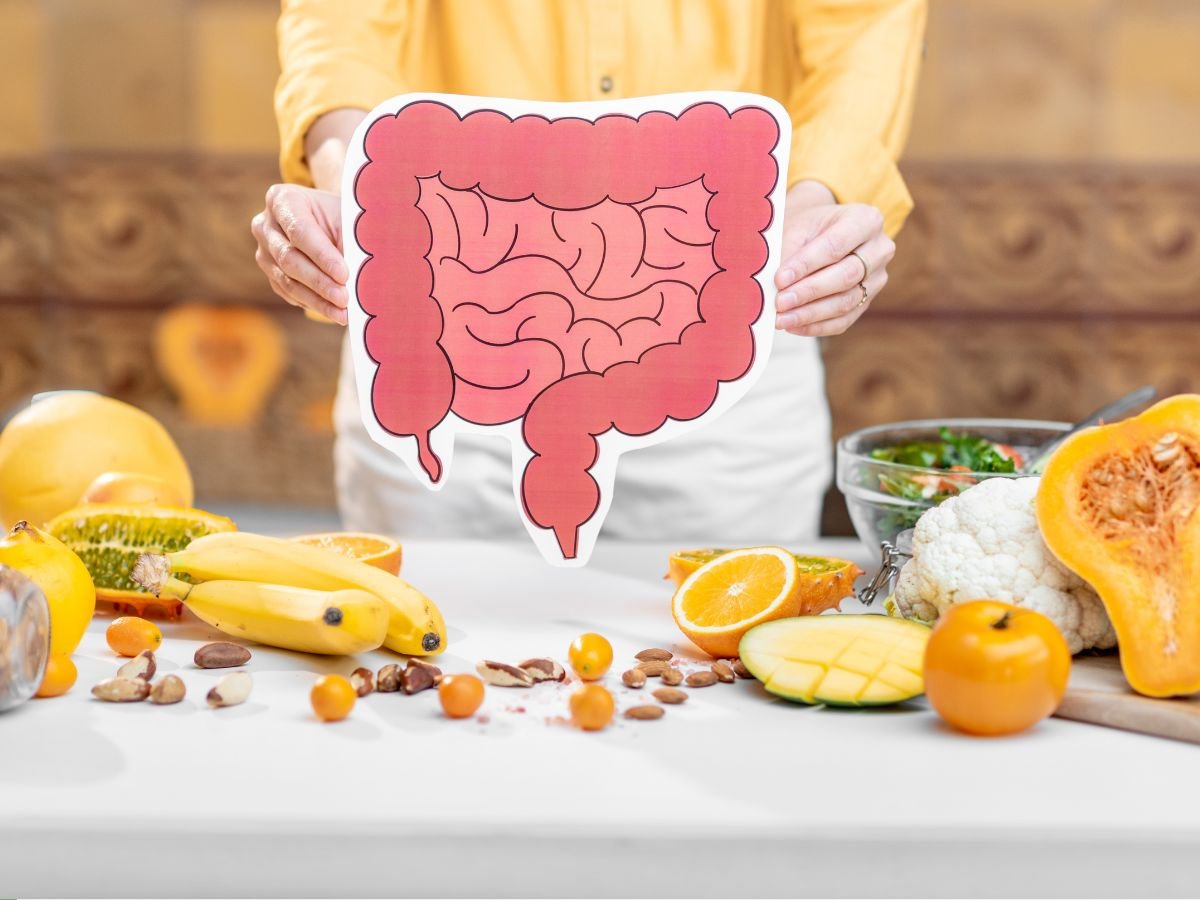
New Delhi, 19 July 2025: Your gut is more than just a digestive machine—it’s a complex system that impacts your mood, immunity, weight, and even brain function. While most people associate gut health with just digestion, there’s far more going on beneath the surface. Gastroenterologists—specialists who treat disorders of the digestive system—say there are many surprising truths about gut health that the average person doesn’t know. Here are five unexpected facts about your gut that could change how you take care of it.
1. Your Gut Has a Brain of Its Own
Ever had “gut feelings”? That’s not just a metaphor. The gut has its own nervous system called the enteric nervous system, often referred to as the “second brain.” It contains more than 100 million nerve cells and plays a critical role in controlling digestion. This second brain can operate independently of the brain in your head, but it constantly communicates with it. That’s why gut problems can affect mental health and vice versa.
2. 70% of Your Immune System Lives in Your Gut
Your gut isn’t just digesting food—it’s defending you too. Around 70% of your immune system is housed in your gut lining, constantly monitoring what enters your body and responding to harmful invaders. A healthy gut microbiome helps regulate inflammation and strengthens your immunity. Poor gut health can therefore weaken your immune defences, making you more prone to infections and autoimmune conditions.
3. Artificial Sweeteners Can Disrupt Gut Bacteria
Think switching to diet soda is a healthier choice? Think again. Many artificial sweeteners, including aspartame and sucralose, can negatively impact the diversity and function of your gut microbiota. These sweeteners may contribute to insulin resistance, glucose intolerance, and even weight gain in the long run, despite having zero calories. Keeping your gut healthy might mean cutting back on “sugar-free” products.
4. Stress Can Trigger Real Gut Issues
Your gut and brain deeply connected via the gut-brain axis, and emotional stress can cause real physical symptoms in the digestive system. Gastroenterologists frequently see stress-induced bloating, constipation, stomach cramps, and IBS (irritable bowel syndrome) in patients. Chronic stress alters the balance of gut bacteria and increases gut permeability—sometimes referred to as “leaky gut.”
5. You Don’t Need Probiotics All the Time
While probiotics are popular, they aren’t always necessary—and sometimes they can even do more harm than good. Gastroenterologists warn that overusing probiotics can disrupt the natural balance of your gut flora. Instead, focus on feeding your good bacteria with prebiotics—fiber-rich foods like garlic, onions, bananas, and oats—that help your natural microbiome flourish.
Gut health about more than digestion—it’s tied to nearly every system in your body. Understanding how your gut functions and what it needs can help improve your energy, immunity, mood, and more. If you’re experiencing ongoing digestive discomfort or symptoms like bloating, fatigue, or skin issues, it might be time to pay attention to your gut. A gastroenterologist can help guide you toward a gut-friendly lifestyle tailored to your needs.














Leave a comment