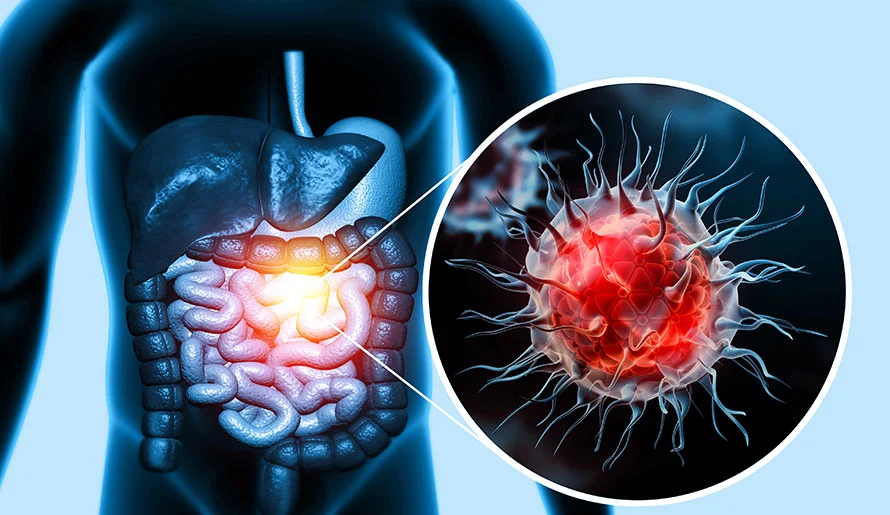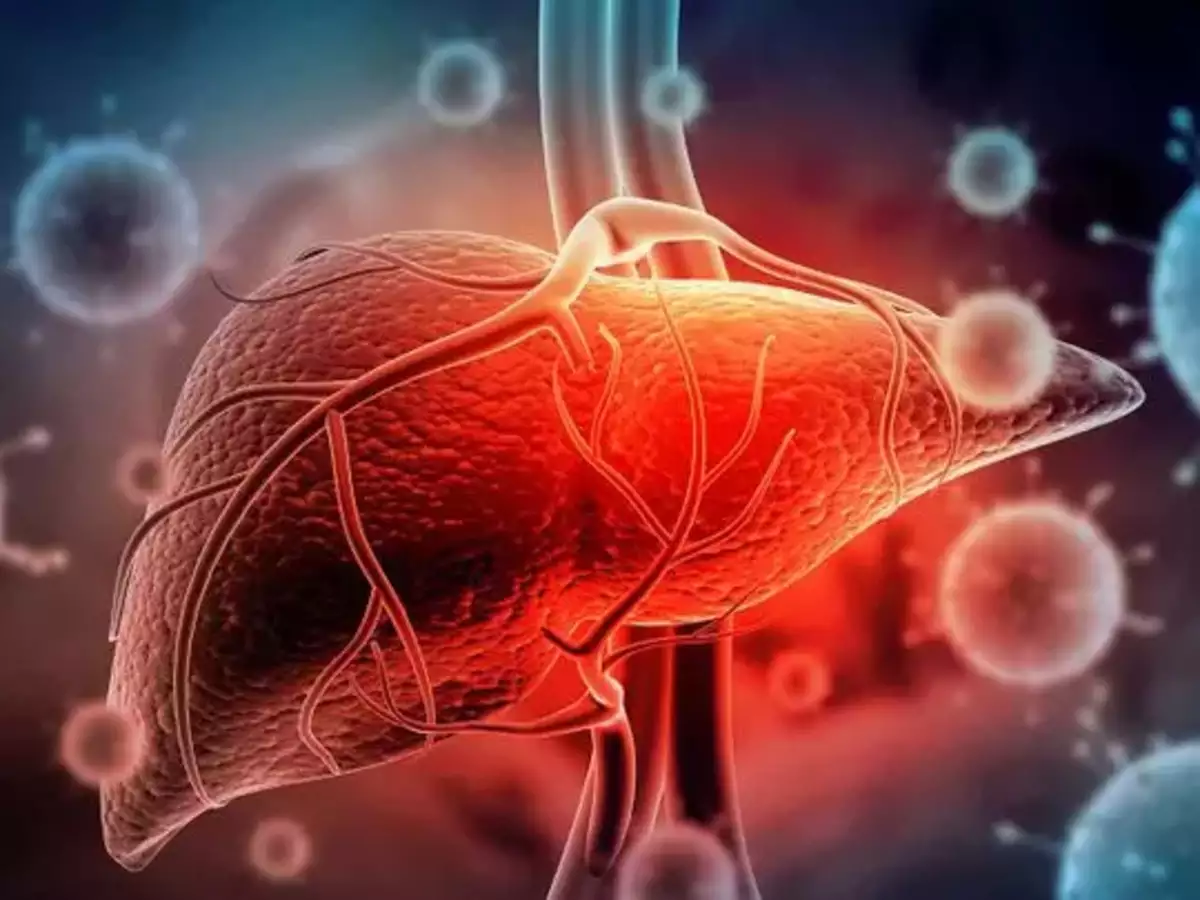
The liver is one of the most vital organs in the body, responsible for detoxification, metabolizing nutrients, and regulating essential biochemical processes, and yet many people unknowingly consume foods that gradually impair liver function, leading to fatty liver disease, inflammation, and long-term health complications.
Processed and Packaged Foods: One of the most common offenders is processed and packaged foods that are high in added sugars, unhealthy fats, and preservatives, which can lead to fat accumulation in the liver and increase the risk of non-alcoholic fatty liver disease (NAFLD), while also elevating cholesterol levels and promoting insulin resistance.
Sugary Beverages: Another culprit is sugary beverages, including sodas, energy drinks, and sweetened juices, which rapidly raise blood sugar levels and contribute to liver fat deposition and oxidative stress, impairing the organ’s ability to metabolize toxins effectively.
Alcohol Consumption: Excessive alcohol consumption, even in moderate amounts over time, is highly damaging, as alcohol metabolism generates toxic byproducts that cause liver inflammation, scarring, and eventually cirrhosis, especially when combined with poor dietary habits.
Fried and Deep-Fried Foods: Additionally, fried and deep-fried foods, which are high in trans fats and saturated fats, overwhelm the liver’s metabolic capacity, promote fat storage, and increase systemic inflammation, putting further stress on the organ.
High-Sodium Foods: Finally, high-sodium foods, such as fast food, canned soups, and salty snacks, contribute to water retention, increase blood pressure, and exacerbate liver strain, while potentially accelerating fibrosis in individuals with pre-existing liver conditions.
Protecting Your Liver: To protect liver health, experts recommend prioritizing a diet rich in whole, unprocessed foods, including fresh fruits and vegetables, whole grains, lean proteins, and healthy fats such as those found in nuts, seeds, and olive oil, while avoiding or minimizing processed, sugary, fried, and salty foods, and ensuring adequate hydration, regular physical activity, and moderation in alcohol consumption. Simple lifestyle adjustments such as cooking meals at home, checking nutritional labels, incorporating fiber-rich foods, and practicing portion control can significantly reduce the liver’s workload and prevent long-term damage.
By being mindful of these common food choices and adopting a liver-friendly diet, individuals can maintain optimal liver function, reduce the risk of fatty liver and other chronic conditions, support detoxification, and improve overall metabolic health, demonstrating that consistent attention to daily nutrition plays a critical role in long-term wellness and prevention of liver-related diseases.