

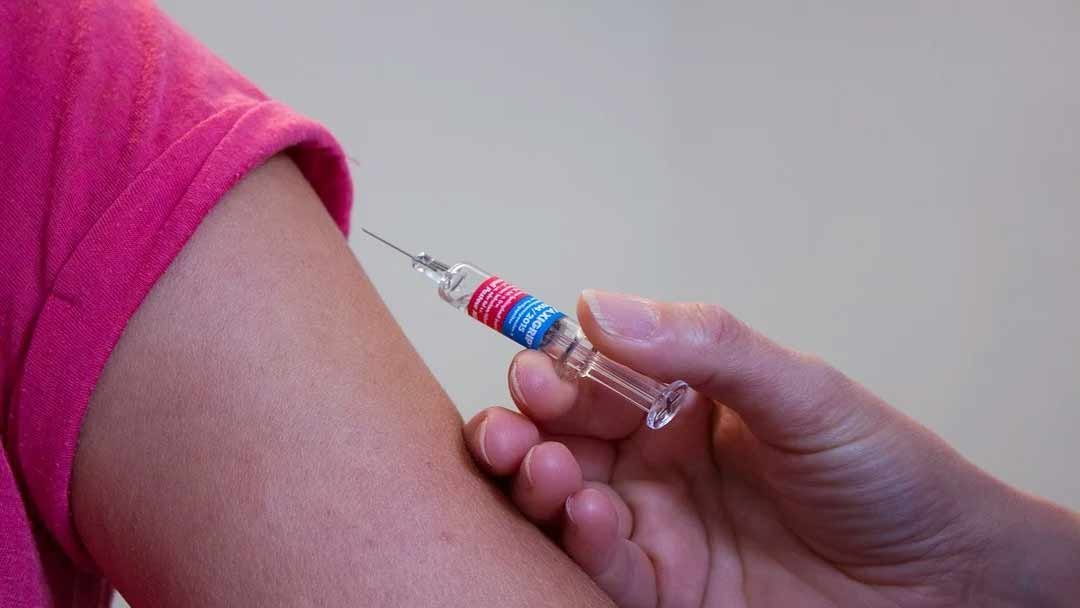
Nowadays, Infodemic has become a buzzword. It refers to a large increase in the volume of information associated with a specific topic and whose growth can occur exponentially in a short period of time due to a specific incident. One of the recent examples of misinformation is the vaccine hesitancy. We have seen some people who have anxiety and uncertainty with vaccines and some people have been misguided due to a lot of misinformation.
To gauge the degree of infodemic, which has turned like a pandemic, HEAL Health organized an Infodemic Pandemic eSummit – HEAL-Thy Samvaad, Episode-19 in knowledge partnership with HEAL Foundation, Indian Public Health Association, DPU, and Makhanlal Chaturvedi National University of Journalism & Communication (MCNUJC) wherein experts deliberated to make us understand the infodemic pandemic.
Speaking during the Infodemic Pandemic eSummit – HEAL-Thy Samvaad Episode-19, Prof KG Suresh, Vice-Chancellor, Makhanlal Chaturvedi National University of Journalism & Communication (MCNUJC) said, “Infodemic is as dangerous as Pandemic because the WHO, the UNESCO & the Indian PM have shown concerns on vaccine hesitancy being created by it. Infodemic is a new terminology that includes misinformation and disinformation. Misinformation happens primarily because of the lack of information but without bad intent. However, the mischievous part of it is that when a Nobel laureate asserted that if somebody takes a vaccine, he/she will die within 2 years. This misinformation wreaked havoc and created vaccine hesitancy. To curb the infodemic, we need to train the media students as well as the common people. And there should be a penalty for spreading misinformation.”
Speaking during Infodemic Pandemic eSummit, Dr. Chandrakant Laharia, Vaccine Public Policy & Health Systems Expert said, “As far as the vaccine hesitancy is concerned, people have been hesitant since 1798 when vaccines came into existence. Although a large number of people accept vaccines, yet 30-40% of the people are hesitant. Everybody is inundated with information they are getting from the internet. Since the onset of the polio vaccination, there has been hesitancy. During COVID times, the reason behind hesitancy is misinformation. Everybody is hungry for information. Govt. should include specialist health communication agencies for running coordinated behavior change campaigns and a professionally drafted centralized communication strategy, which should be followed by all stakeholders combined.”
Deliberating on understanding the infodemic pandemic during HEAL-Thy Samvaad, Dr. P Sasikala, Prof & Head, Dept. of New Media Technology, Makhanlal Chaturvedi National University of Journalism and Communication, Bhopal said, “An infodemic is an overabundance of information, both online and offline to disseminate wrong information, to undermine the public health response and advance alternative agendas of groups and individuals. As per the WHO – Misinformation and Disinformation can be harmful to people’s physical and mental health, increases stigmatization and threatens precious health gains. Misinformation is information that is false, but the person who is disseminating it believes that it is true. One of the recent examples is the news that says “increased oxygen level in the body will kill COVID-19.” Likewise, Disinformation is information that is false, and the person who is disseminating knows it is false. It is a deliberate intentional lie. At our university, we have been providing training about infodemic and fact-checking to our students.”
The man behind conceptualizing and organizing the HEAL-Thy Samvaad series, Founder & CEO, HEAL Health, Dr. Swadeep Srivastava said, “The COVID Fighters Public Health Safety Movement that we started after the outbreak of COVID-19 in India last year has completed its 400 days and this is the 19th episode of HEAL-Thy Samvaad in progression. Through the series of 26 webinars, over 13.5 crore people were reached in India wherein more than 260 Medical & Public Health experts and women key influencers addressed as panelists and over 2500 queries around COVID were answered.”
Adding further Dr Srivastava said, “With the support of the Indian Public Health Association (IPHA) – one of the largest public health academia bodies of the country, we are all set to start India Health Infodemic Fact-Checking Network (IHIFCN), which would be India’s first dedicated Fact-Checking forum for healthcare news stories/information going out in the public domain predominantly through social media. The IHIFCN would be committed to promoting excellence in fact-checking.”












Leave a comment