Home Spotlight 20 Books That Will Change The Way You Think About Infectious Disease & Public Health
Spotlight

20 Books That Will Change The Way You Think About Infectious Disease & Public Health

Share
Share

By Nicole Fisher

These 20 books will entertain, educate, and open up an entirely new world for those without a background in public health or infectious disease. This list is certainly not all-inclusive, and can in no way be ranked. For your sanity, it does not include textbooks or medical literature. The books listed are both enjoyable to read and leave the reader feeling like they know more about the world around them. Many are inspiring, despite the harsh realities and inequalities they present. And all are true stories, as told by those in the fight for better health.

Here are the 20 recommendations for infectious disease and public health books to read while surviving a pandemic: 

  1. The Ghost Map: The Story of London’s Most Terrifying Epidemic – And How It Changed Science, Cities, and the Modern World — By Steven Johnson
  2. Parasite Rex: Inside the Bizarre World of Nature’s Most Dangerous Creatures — By Carl Zimmer
  3. Mirage Of Health — By Rene Dubos
  4. Beating Back the Devil: On the Front Lines with the Disease Detectives of the Epidemic Intelligence Service — By Maryn McKenna
  5. House On Fire: The Fight To Eradicate Smallpox — By William H. Foege
  6. The Great Influenza: The Story of the Deadliest Pandemic in History — By John M. Barry
  7. Spillover: Animal Infections and the Next Human Pandemic — By David Quammen
  8. The Spirit Catches You And Then You Fall Down — By Anne Fadiman
  9. To Repair The World — By Paul Farmer
  10. Pale Rider: The Spanish Flu of 1918 and How It Changed the World — By Laura Spinney
  11. Guns, Germs & Steel — By Jared Diamond
  12. Virus Hunter: Thirty Years of Battling Hot Viruses Around the World — By CJ Peters and Mark Olshaker
  13. The Strategy of Preventive Medicine — By Geoffrey Rose
  14. A Planet of Viruses — By Carl Zimmer
  15. Mud Creek Medicine: The Life Of Eula Hall and the Fight for Appalachia — By Kiran Bhatraju
  16. Polio: An American Story — By David Oshinsky
  17. The Fever: How Malaria Has Ruled Humankind For 500,000 Years — By Sonia Shah 
  18. The Fears of the Rich, The Needs of the Poor: My Years at the CDC — By William H. Foege
  19. Polio: The Odyssey Of Eradication — By Thomas Abraham
  20. Big Chicken: The Incredible Story of How Antibiotics Created Modern Agriculture and Changed the Way the World Eats — By Maryn McKenna

Original Article Appeared Here.

Share

Leave a comment

Leave a Reply

Your email address will not be published. Required fields are marked *

Don't Miss

Latest News

Union Budget 2026 LIVE: What Does the Healthcare Sector Seek?

As Finance Minister Nirmala Sitharaman presents the Union Budget 2026, the healthcare sector is closely tracking the announcements, hoping for decisive reforms that...

Cancer
Press ReleaseVirus & Disease

Nipah Virus Infection – India

Situation at a glance On 26 January 2026, the National IHR Focal Point for India notified WHO of two laboratory‑confirmed cases of Nipah...

Latest News

Hidden Cancers in Women: Early Symptoms You’re Probably Ignoring

Many cancers in women remain undetected until they reach advanced stages, making early awareness and screening critical. While breast and cervical cancers receive...

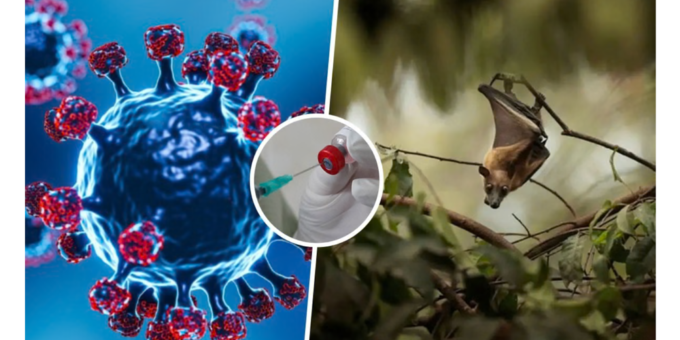
The Nipah virus is considered one of the deadliest zoonotic infections globally, not because it spreads rapidly like influenza or COVID-19, but because of its extremely high fatality rate, rapid progression, and severe brain involvement. Medical experts warn that once symptoms escalate, the disease can turn fatal within days. According to available data, the case fatality rate of Nipah virus ranges between 50 and 75 per cent, placing it among the most lethal viral infections known to humans. In this explainer, Dr Dip Narayan Mukherjee, Consultant – Microbiology and Infectious Diseases, CK Birla Hospitals, CMRI, sheds light on why the virus is so dangerous and difficult to control. Why Is the Nipah Virus So Deadly? According to Dr Mukherjee, Nipah’s lethality lies in a combination of delayed symptom recognition, aggressive disease progression, and early involvement of the brain. “Nipah virus often begins with very non-specific symptoms, which makes early detection difficult. By the time it is clinically suspected, the virus may have already affected the brain,” he explains. Early Symptoms Often Go Unnoticed One of the biggest challenges in controlling Nipah virus is that its initial symptoms closely resemble common viral illnesses, leading to delays in diagnosis and isolation. Early symptoms include: Fever Headache Cough Muscle pain General weakness “These symptoms are easily mistaken for flu, viral fever, or respiratory infections,” says Dr Mukherjee. “This delay gives the virus time to progress silently.” Severe Brain Infection Drives High Mortality The most dangerous aspect of Nipah virus infection is its neurological involvement. The virus frequently causes encephalitis, or inflammation of the brain, which significantly increases the risk of death. Neurological symptoms may include: Seizures Confusion and altered consciousness Extreme drowsiness Coma “Once the central nervous system is involved, the disease becomes very difficult to manage,” Dr Mukherjee notes. “At this stage, treatment is largely supportive because there is no specific antiviral therapy available.” This lack of targeted treatment options makes early detection critical. Human-to-Human Transmission Raises Risk While Nipah virus is primarily transmitted from fruit bats, it can also spread from person to person, particularly in healthcare settings. Dr Mukherjee points out that: Caregivers and healthcare workers are at higher risk Exposure to high viral loads can worsen outcomes Inadequate infection control increases transmission risk “Strict adherence to infection control practices is essential. Even a small lapse can result in secondary infections,” he says. Zoonotic Nature Makes Exposure Hard to Predict Nipah virus is transmitted from fruit bats, either directly or through intermediate hosts such as pigs. This zoonotic pattern makes outbreaks unpredictable, especially in regions where humans, animals, and wildlife interact closely. Adding to the challenge: There is no approved vaccine Treatment options remain limited Isolation protocols must be strictly enforced What Can Reduce Nipah Fatalities? According to experts, early action remains the most effective defence against Nipah virus. Key measures include: Early isolation of suspected cases Strict use of personal protective equipment (PPE) Rapid escalation and referral to specialised centres Strong hospital infection control protocols “The earlier the virus is identified and contained, the better the chances of preventing severe disease and fatalities,” Dr Mukherjee emphasises. The Bottom Line Nipah virus continues to be a serious public health threat because of its high fatality rate, neurological complications, and lack of targeted treatment. Its ability to masquerade as a mild illness in the early stages makes vigilance crucial. Health experts stress that awareness, early suspicion, and strict infection control are currently the most powerful tools to reduce deaths linked to this deadly virus. As Dr Mukherjee concludes, “With Nipah, time is the most critical factor. Early recognition can save lives.”
Latest News

Nipah Virus in India: What You Should Know and How to Stay Safe

Nipah virus (NiV) is a rare but highly dangerous zoonotic virus that can be transmitted from animals to humans and, in some cases,...

Latest News

How Seasonal Flu Symptoms Are Changing in 2026—and What It Means for You

Seasonal influenza, commonly known as the flu, affects millions of people worldwide every year, and 2026 has already shown changes in how the...

Section title

Related Articles
Vaginal Infections: 7 Warning Signs of an Unhealthy Vagina Every Woman Should Know About
Lifestyle & WellnessSpotlight

Vaginal Infections: 7 Warning Signs of an Unhealthy Vagina Every Woman Should Know About

Becoming familiar with the 7 tell-tale signs of vaginal infections is essential...

Latest NewsSpotlight

Stomach Flu Cases Rise In Delhi: Prevention Tips To Keep Yourself Safe

Stomach flu cases are on the rise in Delhi, suggesting the urgent...

Exercise's Contribution to Liver Health and Damage Prevention.
Let’s Talk HealthSpotlight

Liver Health Alert: These 7 Foods Can Damage Liver Similar to Alcohol – Be Cautious!

Liver Health Management Tips: The liver forms a linchpin for the proper...

Vitamin B12 Deficiency Symptoms In Men: 5 Warning Signs of Vitamin B12 Deficiency That Shouldn't Be Ignored
Lifestyle & WellnessSpotlight

Vitamin B12 Deficiency Symptoms In Men: 5 Warning Signs of Vitamin B12 Deficiency That Shouldn’t Be Ignored

Vitamin B12 Deficiency Symptoms: More often than not, the vitality of Vitamin...

×