

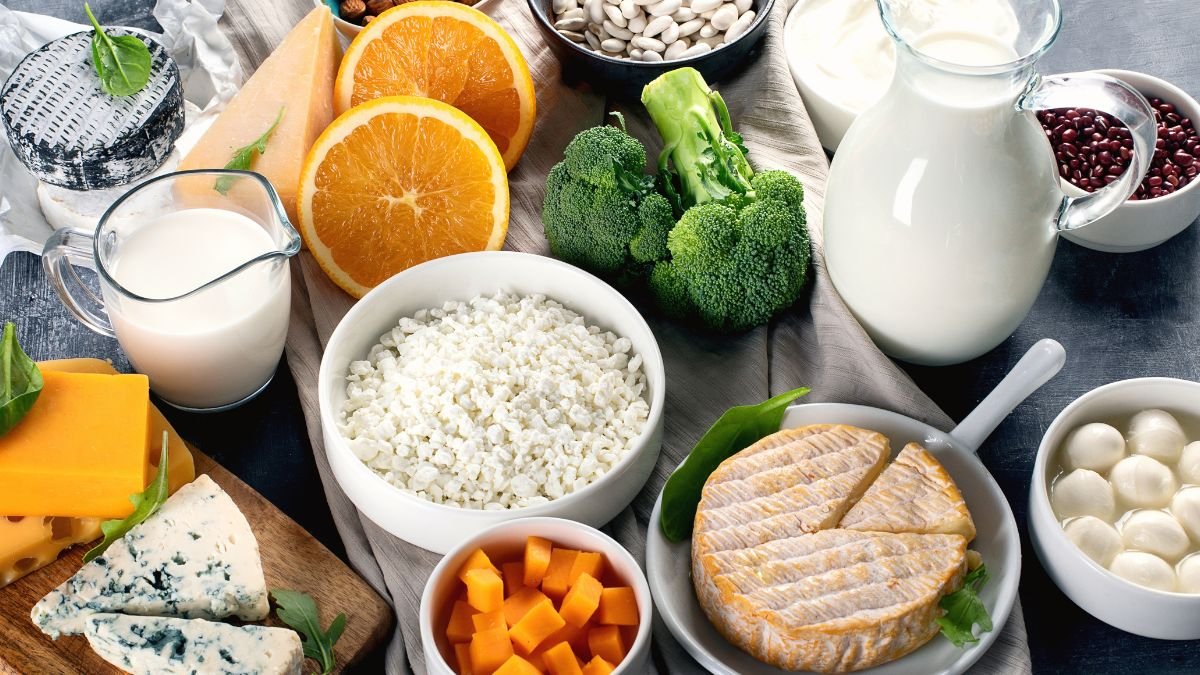
New Delhi, 11 August 2025: When it comes to losing excess body fat naturally, one of the most effective strategies is increasing your daily protein intake. Unlike fad diets or quick fixes, a high-protein diet supports long-term fat loss by boosting metabolism, reducing appetite, and helping maintain lean muscle mass—all of which are key to burning fat efficiently.
Protein-rich foods take longer to digest, which keeps you full longer and reduces the chances of overeating. They also require more energy to process, a phenomenon known as the thermic effect of food (TEF)—meaning your body burns more calories digesting protein than it does carbs or fats.
Let’s dive into the 10 high-protein foods you should include in your daily meals to naturally reduce body fat and improve your overall health.
1. Eggs
Protein per serving: ~6 grams per egg
Eggs are a powerhouse of nutrition and one of the most complete sources of protein. Rich in essential amino acids, vitamins, and healthy fats, eggs can be enjoyed in a variety of ways—boiled, scrambled, poached, or as omelets.
Why they help burn fat:
Eggs help control hunger hormones like ghrelin, keeping you satisfied for longer. Studies have shown that eating eggs for breakfast can significantly reduce calorie intake for the rest of the day.
Tip: Stick to whole eggs rather than just egg whites. The yolk contains healthy fats and important nutrients like vitamin D and choline.
2. Greek Yogurt
Protein per serving: ~10–15 grams per 6 oz (170 g)
Greek yogurt is thicker, creamier, and significantly higher in protein than regular yogurt. It’s also a great source of probiotics, which support gut health and digestion.
Why it helps burn fat:
The high protein content in Greek yogurt boosts metabolism and keeps you full, while its calcium content helps regulate fat metabolism.
Tip: Choose plain, unsweetened varieties to avoid added sugars that can sabotage your fat loss goals.
3. Chicken Breast
Protein per serving: ~26 grams per 3 oz (85 g)
Skinless, boneless chicken breast is one of the leanest and most protein-dense foods available. It’s low in fat and versatile for cooking in many different ways—grilled, baked, or stir-fried.
Why it helps burn fat:
Chicken is low in calories and high in protein, making it perfect for a fat-loss diet. It helps preserve muscle mass while reducing body fat.
Tip: Meal prep chicken in advance to ensure you always have a lean protein source ready to go.
4. Cottage Cheese
Protein per serving: ~14 grams per ½ cup (110 g)
Cottage cheese is rich in casein, a slow-digesting protein that provides a steady supply of amino acids over several hours, making it ideal for nighttime meals or snacks.
Why it helps burn fat:
Casein helps reduce nighttime hunger and promotes muscle repair and fat breakdown while you sleep.
Tip: Add cottage cheese to salads, smoothies, or pair with fruit for a satisfying snack.
5. Lentils
Protein per serving: ~18 grams per cooked cup (198 g)
Lentils are not only high in protein but also packed with fiber, making them an excellent plant-based food for fat loss.
Why they help burn fat:
The combination of protein and fiber promotes satiety and stabilizes blood sugar, preventing energy crashes and cravings.
Tip: Use lentils in soups, stews, salads, or as a meat substitute in dishes like tacos or burgers.
6. Tuna
Protein per serving: ~20–25 grams per 3 oz (85 g)
Tuna is a lean, protein-rich fish that’s also an excellent source of omega-3 fatty acids, which can help reduce inflammation and promote fat metabolism.
Why it helps burn fat:
Tuna is low in calories and fat, yet packed with protein. Its omega-3s also help regulate hunger hormones and support cardiovascular health.
Tip: Opt for tuna packed in water, not oil, to keep the calorie count low.
7. Quinoa
Protein per serving: ~8 grams per cooked cup (185 g)
Quinoa is one of the few plant-based foods that’s a complete protein, meaning it contains all nine essential amino acids.
Why it helps burn fat:
Its high fiber and protein content increase feelings of fullness and help stabilize blood sugar levels, both of which are key for fat loss.
Tip: Use quinoa as a base for salads, bowls, or as a side dish instead of rice or pasta.
8. Tofu
Protein per serving: ~10 grams per ½ cup (126 g)
Tofu is a soy-based protein that is highly versatile and absorbs flavors well, making it an excellent meat substitute for vegetarians and vegans.
Why it helps burn fat:
Tofu is low in calories, high in protein, and rich in isoflavones, which may help reduce belly fat and support metabolic health.
Tip: Bake, grill, or stir-fry tofu with vegetables for a filling, fat-burning meal.
9. Almonds
Protein per serving: ~6 grams per 1 oz (28 g)
Almonds are rich in protein, healthy fats, and fiber. Despite being calorie-dense, they’re incredibly effective for appetite control when eaten in moderation.
Why they help burn fat:
The combination of protein and monounsaturated fats increases satiety and reduces overall calorie intake. Some studies even show that people who eat nuts regularly have lower body fat levels.
Tip: Eat almonds as a snack or add them to oatmeal, smoothies, or salads for a protein boost.
10. Whey Protein Powder
Protein per serving: ~20–25 grams per scoop (30 g)
Whey protein is a fast-digesting, high-quality protein that is ideal for post-workout recovery or supplementing your daily intake.
Why it helps burn fat:
Whey promotes muscle growth, increases metabolism, and supports fat burning, especially when combined with resistance training.
Tip: Mix whey protein with water or milk, or blend into smoothies with fruits, greens, and nut butter for a nutrient-packed shake.
Incorporating these 10 high-protein foods into your daily diet can naturally support fat loss, improve satiety, and help you maintain lean muscle mass. But remember—fat loss isn’t about one miracle food. It’s about consistency, balanced nutrition, and a calorie-controlled diet.
Pair these protein-rich foods with:
- Regular physical activity
- Adequate sleep
- Hydration
- Stress management
Follow this space for such amazing health tips.














Leave a comment