

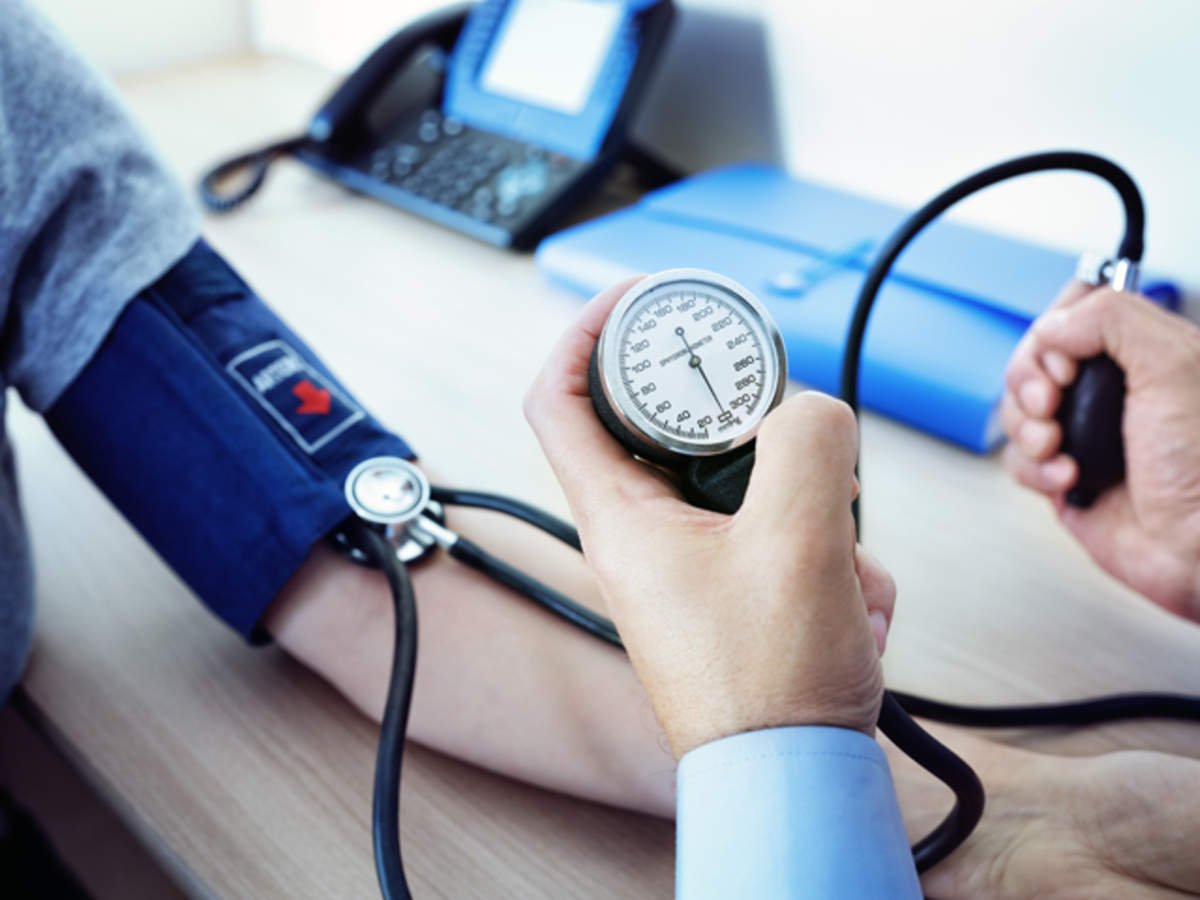
New Delhi, 16 May 2025: World Hypertension Day 2025, observed on May 17, serves as a vital reminder of the silent but serious threat posed by high blood pressure — a condition that affects nearly 1 in 4 adults worldwide. Often called the “silent killer,” hypertension can lead to life-threatening complications like heart attacks, strokes, kidney failure, and vision loss if left uncontrolled.
To mark the occasion, Dr. Ajay Agarwal, Senior Director of Internal Medicine at Fortis Hospital, Noida, shares 7 practical lifestyle tips that can help manage and reduce high blood pressure naturally.
Why Hypertension Is a Global Health Concern
High blood pressure or hypertension occurs when the force of blood against the artery walls remains consistently too high. While the condition is largely asymptomatic, it gradually damages blood vessels and organs. According to the World Health Organization (WHO), over 1.28 billion adults aged 30–79 worldwide have hypertension, and nearly 46% are unaware of their condition. This makes early detection and preventive care essential.
- Follow the DASH Diet: The Dietary Approaches to Stop Hypertension (DASH) diet is scientifically proven to lower blood pressure. Dr. Agarwal recommends a diet rich in: Fresh fruits and vegetables, Whole grains, Low-fat dairy products, Lean proteins like fish and poultry, Nuts and legumes
Avoiding saturated fats, processed foods, and added sugars is equally important. A DASH-based diet can significantly lower systolic and diastolic pressure over time.
- Reduce Salt Intake: Excess sodium is a key contributor to hypertension. Limiting salt consumption to less than 2,300 mg per day, and ideally to 1,500 mg for those with high blood pressure, can help control the condition. Use herbs and spices for flavor instead of salt and always read food labels to avoid hidden sodium in processed foods.
- Exercise Regularly: Staying active is crucial for heart health. Dr. Agarwal advises engaging in at least 150 minutes of moderate-intensity aerobic exercise each week. Activities like brisk walking, swimming, cycling, or even dancing can strengthen the heart, improve blood flow, and reduce blood pressure.
- Maintain a Healthy Weight: Carrying excess weight, especially around the abdomen, increases strain on the heart and arteries. Losing even 5-10% of body weight can lead to meaningful reductions in blood pressure. A balanced diet combined with regular physical activity can help achieve and sustain a healthy weight.
- Manage Stress Effectively: Chronic stress is a lesser-known contributor to hypertension. High stress levels can cause temporary spikes in blood pressure and promote unhealthy behaviors like overeating or smoking.
- Quit Smoking and Limit Alcohol: Smoking damages blood vessels and raises blood pressure instantly. Quitting tobacco can improve heart health significantly. Similarly, excessive alcohol intake raises blood pressure and adds extra calories. Men should limit alcohol to two drinks per day, and women to one.
- Monitor Your Blood Pressure Regularly: Home monitoring with a validated blood pressure device helps track fluctuations and informs treatment decisions. Adults over 40 — especially those with a family history of hypertension — should get their blood pressure checked at least annually, or more often as advised by a doctor.
As we observe World Hypertension Day 2025, the message is clear: managing high blood pressure is possible — and often preventable — through consistent lifestyle choices. Dr. Agarwal emphasizes, “A few small changes in daily habits can make a significant difference in controlling blood pressure and reducing long-term health risks.”
Take charge of your heart health today. Eat well, move more, stress less — and stay informed.












Leave a comment