

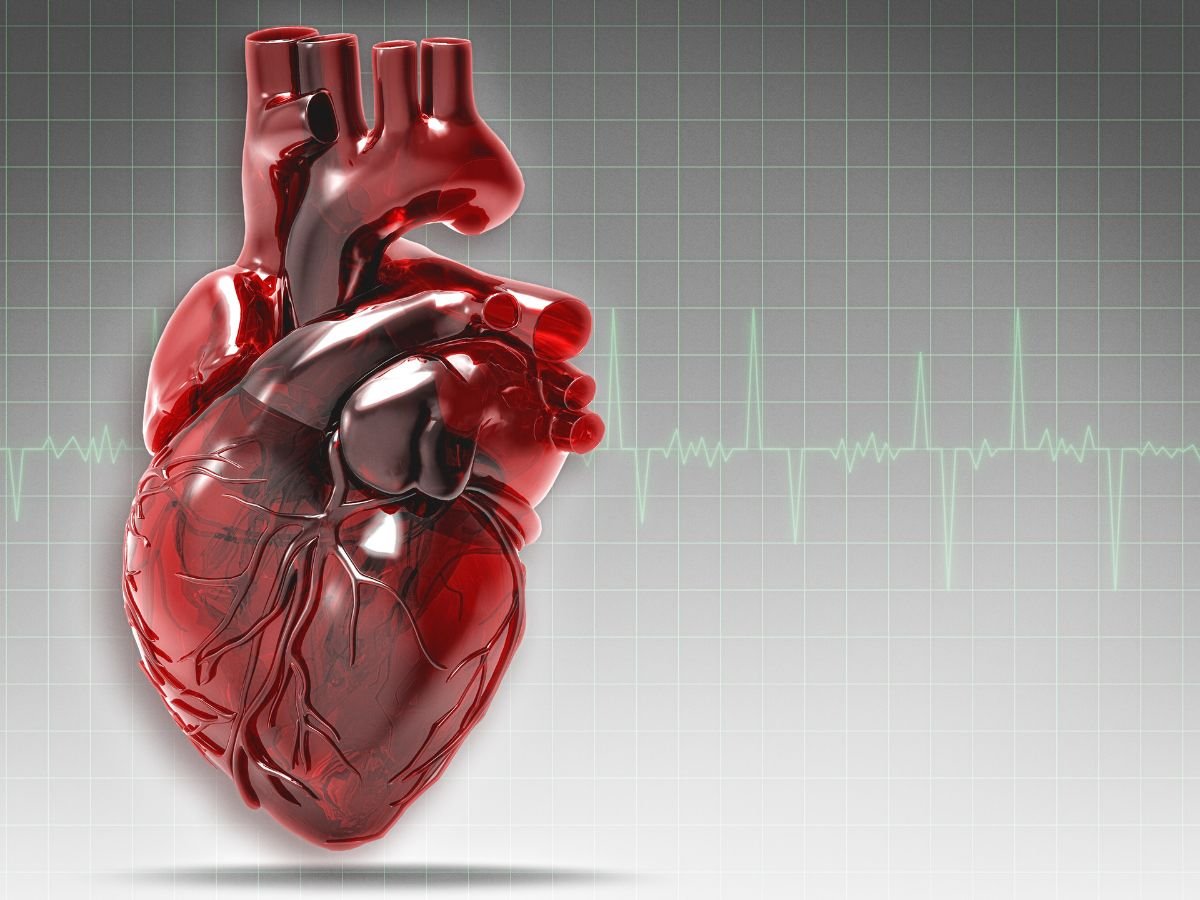
New Delhi, 29 September, 2025: Every year on 29th September, the world observes World Heart Day, an initiative by the World Heart Federation to spread awareness about cardiovascular health. While heart disease was once considered a concern for older adults, today it is increasingly striking people in their 30s and 40s due to sedentary lifestyles, poor diets, stress, and rising cases of obesity and diabetes.
Doctors warn that prevention and early detection are the most powerful tools against heart disease. Regular health checkups—especially certain key tests—can help detect early warning signs before they turn into life-threatening conditions. If you are over 30, these are 10 important tests you should undergo to protect your heart and reduce your risk of a heart attack.
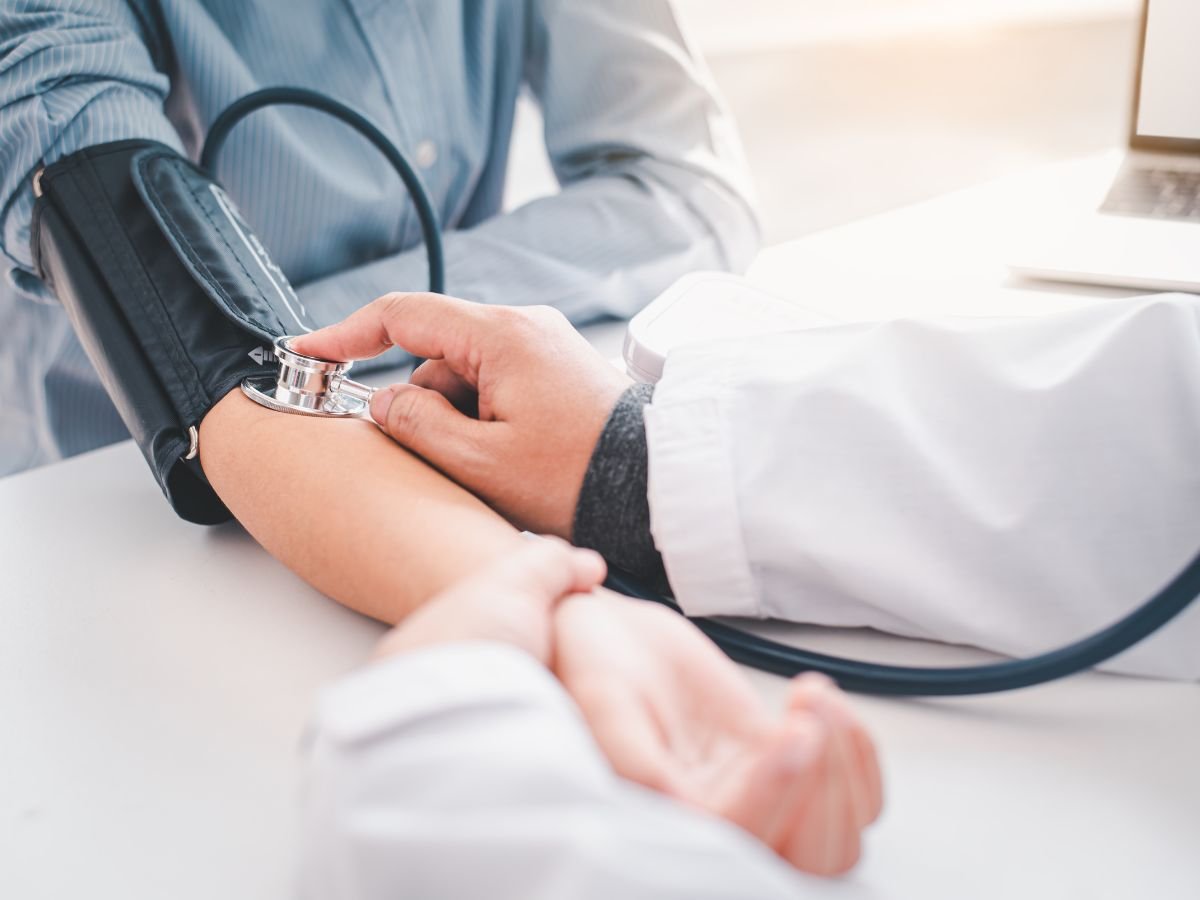
1. Blood Pressure Check
Why it matters: High blood pressure, or hypertension, is often called the “silent killer” because it usually has no symptoms but gradually damages arteries, making them stiffer and narrower. This greatly increases the risk of heart attacks, strokes, and kidney damage.
How it’s done: A simple, painless measurement using a sphygmomanometer or digital device. Ideally, blood pressure should be checked at least once a year after the age of 30—or more frequently if you have risk factors such as obesity, smoking, or family history.
Healthy range: Less than 120/80 mmHg is considered normal. Consistently above 130/80 mmHg may require medical intervention.
2. Lipid Profile Test
Why it matters: Cholesterol and triglyceride levels play a major role in plaque buildup inside arteries, leading to atherosclerosis. This condition narrows the arteries, restricting blood flow to the heart and brain, which can trigger heart attacks or strokes.
How it’s done: A blood test after 9–12 hours of fasting. It measures total cholesterol, LDL (bad cholesterol), HDL (good cholesterol), and triglycerides.
Healthy range:
- Total cholesterol: < 200 mg/dL
- LDL cholesterol: < 100 mg/dL
- HDL cholesterol: > 50 mg/dL (for women) and > 40 mg/dL (for men)
- Triglycerides: < 150 mg/dL
3. Blood Sugar (Fasting and HbA1c)
Why it matters: Diabetes significantly raises the risk of heart disease. High blood sugar damages blood vessels and nerves controlling the heart. Even prediabetes (slightly elevated blood sugar) can accelerate cardiovascular risk.
How it’s done:
- Fasting blood glucose test: Measures sugar after 8 hours of fasting.
- HbA1c test: Reflects average blood sugar levels over the past 2–3 months.
Healthy range:
- Fasting glucose: 70–100 mg/dL
- HbA1c: Below 5.7% is normal; 5.7–6.4% indicates prediabetes; 6.5% or above indicates diabetes.
4. Electrocardiogram (ECG)
Why it matters: An ECG records the electrical activity of the heart and helps detect irregular rhythms (arrhythmias), signs of a previous silent heart attack, or other abnormalities.
How it’s done: Electrodes are attached to the chest, arms, and legs to measure heart signals. It’s quick, painless, and non-invasive.
Who needs it: Recommended for anyone above 30 with chest pain, palpitations, dizziness, or family history of heart disease. Even healthy individuals may benefit from a baseline ECG for future comparisons.
5. Echocardiogram
Why it matters: While ECG shows electrical activity, an echocardiogram uses ultrasound waves to create images of the heart’s chambers, valves, and pumping strength. It helps assess structural problems, valve disorders, or weakened heart muscle (cardiomyopathy).
How it’s done: Similar to an ultrasound scan. Gel is applied to the chest, and a probe creates moving images of the heart.
Who needs it: Not mandatory for everyone, but strongly recommended if you have symptoms like shortness of breath, swelling of feet, or unexplained fatigue.
6. Treadmill Test (TMT) or Stress Test
Why it matters: Some heart problems appear only during exertion, not at rest. A TMT evaluates how well your heart responds to physical stress by monitoring ECG, blood pressure, and pulse while you walk or run on a treadmill.
How it’s done: Performed under supervision, usually with gradually increasing speed and incline until target heart rate is reached or symptoms appear.
Who needs it: Particularly important for individuals with risk factors like smoking, diabetes, or family history of early heart disease.
7. High-Sensitivity C-Reactive Protein (hs-CRP) Test
Why it matters: CRP is a marker of inflammation in the body. High levels may indicate ongoing inflammation in blood vessels, which can contribute to plaque formation and rupture—a major cause of sudden heart attacks.
How it’s done: A simple blood test.
Healthy range: Below 1.0 mg/L suggests low risk; above 3.0 mg/L indicates high risk of cardiovascular events.
8. Body Mass Index (BMI) and Waist-to-Hip Ratio
Why it matters: Excess weight, particularly abdominal fat, is a strong risk factor for high blood pressure, diabetes, and high cholesterol—all of which harm the heart.
How it’s done:
- BMI is calculated using height and weight.
- Waist-to-hip ratio measures fat distribution.
Healthy range:
- BMI: 18.5–24.9 is normal.
- Waist-to-hip ratio: Less than 0.90 for men and 0.85 for women.
9. Cardiac CT Scan (Calcium Score)
Why it matters: This specialized scan measures calcium deposits in coronary arteries. A higher calcium score indicates hardened plaque buildup, which raises the risk of blockages and heart attacks.
How it’s done: A quick, non-invasive CT scan.
Who needs it: Individuals with borderline cholesterol or strong family history of premature heart disease.
10. Thyroid Function Test
Why it matters: Many people don’t realize that thyroid disorders can indirectly impact heart health. Overactive thyroid (hyperthyroidism) can cause irregular heartbeats, while underactive thyroid (hypothyroidism) can raise cholesterol levels. Both conditions increase cardiovascular risk if undiagnosed.
How it’s done: Blood test measuring TSH, T3, and T4 levels.
Healthy range: TSH between 0.4–4.0 mIU/L is considered normal, though it may vary slightly by lab.
Lifestyle Screening Alongside Medical Tests
In addition to these 10 essential tests, doctors emphasize the importance of evaluating lifestyle habits:
- Dietary review: High salt, sugar, and trans-fat intake raise risks.
- Smoking and alcohol screening: Both accelerate heart damage.
- Physical activity check: Sedentary lifestyle doubles cardiovascular risk.
- Stress assessment: Chronic stress and poor sleep patterns harm the heart as much as physical risk factors.
Expert Advice: Prevention Over Cure
Cardiologists stress that while diagnostic tests are invaluable, they are only one part of heart protection. Prevention remains the gold standard.
“The tragedy of heart attacks in young people is that they are largely preventable. If individuals get screened early and adopt heart-healthy habits, they can add decades to their life,” says Dr. Ramesh Bansal, Senior Cardiologist at Fortis Hospital, Delhi.
He adds: “Tests alone are not enough. Quitting smoking, exercising regularly, managing stress, and following a balanced diet are equally critical to avert heart disease.”
On this World Heart Day 2025, the message is clear: don’t wait for symptoms to appear. Heart disease often develops silently over years, and by the time warning signs emerge, it may be too late.
If you are over 30, these 10 essential heart tests—from blood pressure checks to cardiac calcium scoring—can serve as your early warning system. Combined with healthy lifestyle choices, they can significantly reduce your risk of heart attacks and ensure that your heart stays strong for decades to come.
Your heart is your most vital organ—make time to protect it, not just on World Heart Day, but every single day.













Leave a comment