

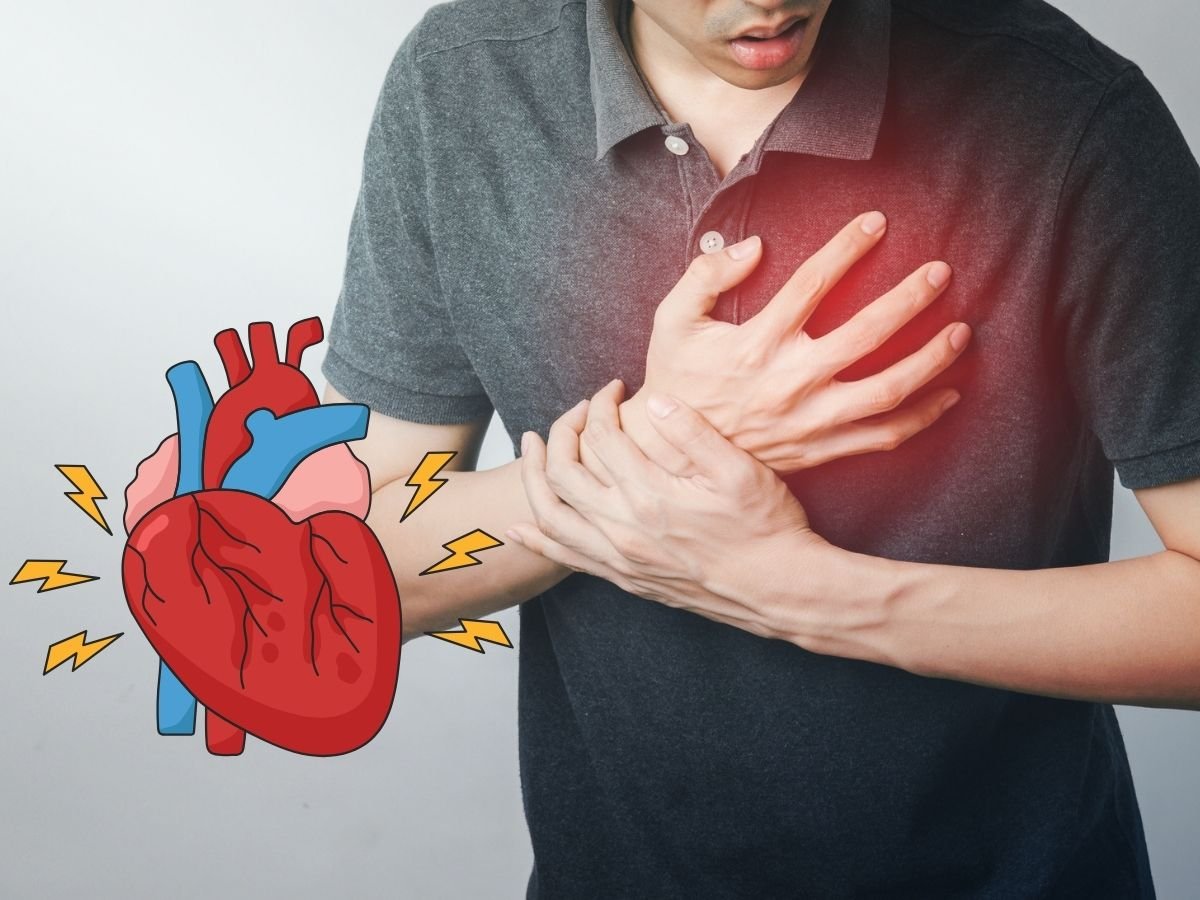
New Delhi, 19 August 2025: When we imagine a heart attack, most of us picture someone clutching their chest in sudden, intense pain. But the reality is more complex—especially for women. Unlike the classic Hollywood version, a heart attack in women often looks completely different, and this difference can be life-threatening.
Heart disease is the leading cause of death among women, but it continues to be underdiagnosed, underreported, and dangerously misunderstood. One of the biggest challenges? The warning signs of a heart attack in women are often subtle, vague, and easy to overlook—not only by the individual but even by healthcare professionals.
Why Women Experience Different Symptoms
One major reason for the variation in symptoms is anatomical. Women are more likely to develop small-vessel heart disease, where tiny arteries supplying blood to the heart become damaged. This doesn’t always cause the crushing chest pain associated with large artery blockages. Instead, women may experience symptoms that affect the back, neck, shoulders, or even the stomach.
Additionally, most of the research on heart attacks has historically focused on men, resulting in a male-centric understanding of cardiac events. As a result, women’s symptoms are more likely to be missed, downplayed, or misdiagnosed.
Subtle Symptoms Women Should Never Ignore
Women may or may not experience chest pain during a heart attack. More often, they describe it as pressure, tightness, or discomfort—not the sharp, stabbing pain many expect. In fact, women are more likely to experience:
- Pain in the jaw, neck, or upper back
- Shortness of breath, even without exertion
- Unusual fatigue that can last for days or come on suddenly
- Nausea or vomiting, often mistaken for a stomach bug
- Lightheadedness or dizziness
- Cold sweats
- Feeling of anxiety or doom
- Discomfort in the arms or shoulders
What makes these signs so dangerous is that they can mimic other conditions like acid reflux, flu, stress, or even anxiety. This often leads to a delay in getting life-saving treatment.
Real-Life Experiences Speak Volumes
Countless stories from women describe how they ignored their symptoms for hours—or even days—because they didn’t “feel like something serious was happening.” Others say they went to the emergency room and were dismissed or sent home with a misdiagnosis.
This is a wake-up call: If you feel something is not right, especially if you’re experiencing multiple symptoms together, do not brush it off. Trust your body.
Why Do Women Wait to Seek Help?
There are many reasons women hesitate to seek immediate medical attention:
- Cultural conditioning to prioritize others’ needs over their own
- Fear of overreacting or “causing a scene”
- Symptoms that feel manageable, not intense
- Lack of awareness that women experience heart attacks differently
In many cases, women feel something is wrong but are unsure whether it warrants a 911 call. This uncertainty can cost critical minutes—or lives.
How Risk Factors Differ in Women
Certain health and hormonal factors put women at higher risk for heart problems, and these aren’t always discussed enough:
- Diabetes increases heart disease risk more in women than in men
- High blood pressure during pregnancy (preeclampsia) is an early sign of heart issues later in life
- Menopause can change cholesterol levels and increase heart risk
- Autoimmune conditions, more common in women, are linked to heart disease
- Depression and stress affect women’s hearts more than men’s
Additionally, lifestyle choices like smoking and physical inactivity compound these risks. That’s why prevention is especially crucial for women as they age.
Younger Women Are Also at Risk
A growing number of women under 50 are having heart attacks—many without traditional risk factors. Conditions like spontaneous coronary artery dissection (SCAD), which affects healthy young women with no prior heart issues, are also on the rise.
This breaks the myth that heart disease only affects older women. No matter your age, it’s essential to listen to your body and take symptoms seriously.
What to Do if You Suspect a Heart Attack
If you or someone near you experiences any of the symptoms mentioned above, here’s what to do:
- Call emergency services immediately—don’t drive yourself.
- Describe all your symptoms clearly, even if they seem unrelated.
- Be assertive in asking for cardiac evaluations like an ECG and blood tests.
- Don’t downplay your pain—you deserve to be heard and treated with urgency.
- Follow up with a specialist if symptoms persist or recur.
Timely treatment can significantly reduce heart damage and save lives.
What Doctors Recommend for Prevention
Cardiologists emphasize the importance of preventive care. Here are practical steps all women should consider:
- Get regular screenings for blood pressure, cholesterol, and blood sugar
- Stay active—aim for at least 30 minutes of moderate exercise most days
- Eat a heart-healthy diet, rich in fiber, lean protein, fruits, and vegetables
- Avoid smoking and limit alcohol
- Manage stress with techniques like yoga, meditation, or therapy
- Know your family history and share it with your doctor
Most importantly, educate yourself. Understanding how heart disease affects women is the first step toward taking charge of your heart health.
Heart disease is not just a man’s problem. In women, it often whispers before it screams. The symptoms can be unexpected, subtle, and confusing—but they are real. And they deserve attention.
It’s time we shift the conversation and ensure that all women, regardless of age or background, know the risks and the signs. If you are feeling off, speak up. Advocate for your health. It might just save your life – or someone else’s.












Leave a comment