

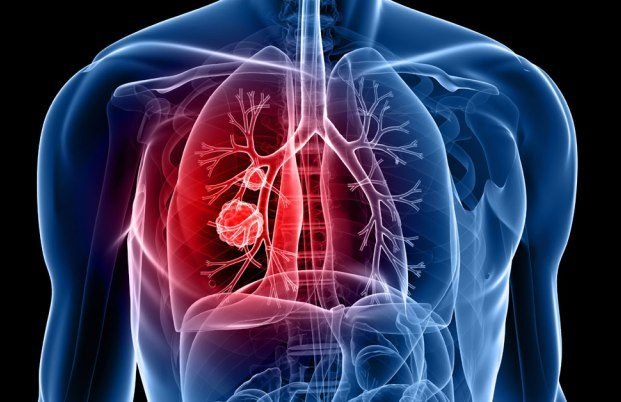
New Delhi, 06 December 2024: Lung cancer, a leading cause of cancer-related deaths globally, is becoming a major public health concern in India. According to recent statistics, the country recorded 72,510 new lung cancer cases and an alarming 66,279 deaths in a single year, underlining the severity of the issue. Despite advancements in cancer research and treatment, the high incidence and mortality rates reflect a pressing need for increased awareness, early detection, and effective preventive measures.
Understanding Lung Cancer
Lung cancer originates in the tissues of the lungs, typically in the cells lining the air passages. It is broadly categorized into two types: non-small cell lung cancer (NSCLC) and small cell lung cancer (SCLC). NSCLC is the most common type, accounting for approximately 85% of cases, while SCLC is more aggressive and rapidly spreading.
Risk factors for lung cancer include smoking, exposure to secondhand smoke, air pollution, occupational hazards like asbestos and radon gas, and a family history of the disease. In India, smoking remains the primary risk factor, but the rising levels of air pollution in urban areas have also emerged as a significant contributor to lung cancer cases among non-smokers.
Current Statistics in India
The statistics for lung cancer in India paint a grim picture. With 72,510 new cases annually, lung cancer is one of the most prevalent cancers in the country. What’s even more concerning is the mortality rate: 66,279 deaths annually indicate that nearly 91% of those diagnosed with lung cancer succumb to the disease.
These figures highlight the challenges in early detection and treatment accessibility. In India, a majority of lung cancer cases are diagnosed in advanced stages, making treatment less effective and survival rates significantly lower.
Why Lung Cancer Is a Growing Concern in India
Several factors contribute to the growing burden of lung cancer in the country:
Smoking Epidemic: Smoking, both active and passive, is a leading cause of lung cancer. India is home to a large population of smokers, with tobacco consumption prevalent across all age groups. Bidis, cigarettes, and chewing tobacco are common in rural and urban areas, exacerbating the risk of lung and other cancers.
Air Pollution: India’s air quality is among the worst globally, with cities like Delhi, Mumbai, and Kolkata frequently recording hazardous pollution levels. Prolonged exposure to particulate matter (PM2.5) and toxic pollutants increases the risk of lung cancer, even among non-smokers.
Occupational Hazards: Workers exposed to carcinogens like asbestos, silica dust, and diesel exhaust fumes face a heightened risk of developing lung cancer. Industrial areas often lack adequate safety measures, putting laborers’ lives at risk.
Delayed Diagnosis: A lack of awareness about lung cancer symptoms leads to delayed medical consultation. Symptoms like persistent cough, chest pain, and shortness of breath are often mistaken for respiratory infections, resulting in late-stage diagnoses when treatment options are limited.
Limited Access to Healthcare: Access to diagnostic tools, advanced treatments, and specialized oncology care remains uneven across India. Rural areas, in particular, suffer from inadequate healthcare infrastructure, further worsening the lung cancer burden.
Preventing Lung Cancer: Steps Forward
Tobacco Control Measures
Reducing tobacco consumption is critical to curbing lung cancer cases. Strengthening anti-smoking campaigns, increasing taxes on tobacco products, and implementing strict regulations on advertising and sale can help. Promoting cessation programs and support groups can also encourage smokers to quit.
Addressing Air Pollution
Improving air quality is essential for reducing lung cancer risk. Policies aimed at reducing vehicular emissions, promoting cleaner energy sources, and curbing industrial pollution can have a significant impact. Encouraging individuals to use air purifiers and wear masks during high-pollution periods can also provide some protection.
Awareness Campaigns
Raising public awareness about the early symptoms of lung cancer and the importance of timely medical intervention is crucial. Government and non-governmental organizations can play a pivotal role in educating the masses through workshops, media campaigns, and community programs.
Regular Screening Programs
Implementing regular lung cancer screening programs for high-risk populations, such as smokers and individuals exposed to occupational hazards, can facilitate early detection. Low-dose CT scans have been proven effective in identifying lung cancer at an early, treatable stage.
Enhancing Healthcare Infrastructure
Strengthening oncology care infrastructure, especially in rural areas, is vital. Establishing cancer treatment centers equipped with advanced diagnostic tools and trained professionals can improve access to care and survival outcomes.
Treatment Options
The treatment of lung cancer depends on its stage and type. Common approaches include:
Surgery: Removal of cancerous tissue in early-stage lung cancer.
Radiation Therapy: Using high-energy rays to destroy cancer cells.
Chemotherapy: Administering drugs to kill cancer cells, often used in combination with other treatments.
Targeted Therapy: Drugs designed to target specific genetic mutations in cancer cells.
Immunotherapy: Boosting the immune system to recognize and attack cancer cells.
While advancements in these treatments have improved outcomes, the emphasis must remain on prevention and early diagnosis to reduce the overall burden.
Conclusion
Lung cancer is a growing health crisis in India, with alarming incidence and mortality rates. The combination of widespread tobacco use, worsening air quality, occupational hazards, and limited healthcare access has made lung cancer a significant public health challenge.
However, the situation is not insurmountable. By addressing risk factors like smoking and air pollution, raising awareness about symptoms, and improving access to early detection and treatment, India can take meaningful steps to combat this deadly disease.
Prevention is the most effective strategy for reducing lung cancer’s impact. Efforts to promote healthy lifestyles, stricter environmental regulations, and robust healthcare infrastructure will be instrumental in saving lives. With concerted action from policymakers, healthcare providers, and individuals, the tide against lung cancer can be turned, ensuring a healthier future for all.











Leave a comment