

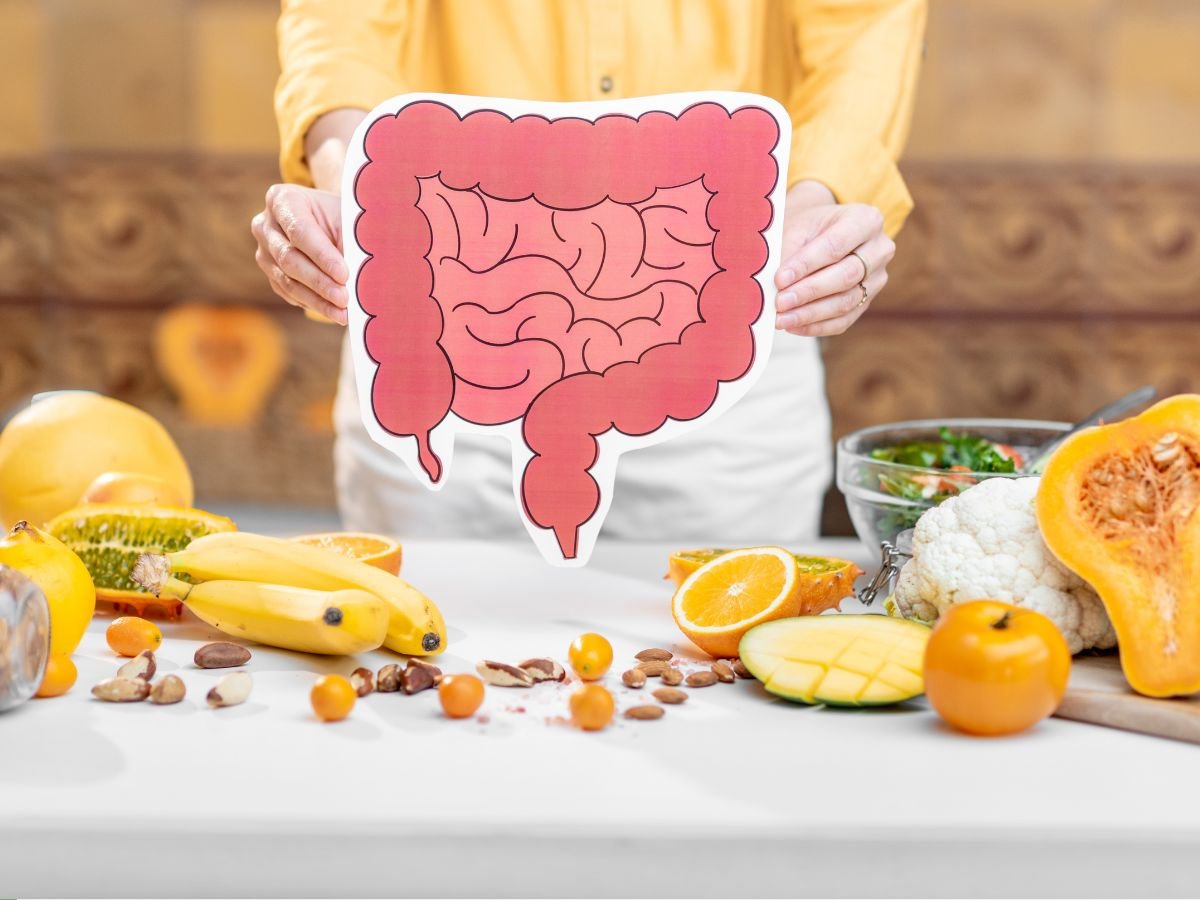
New Delhi, 14 November 2025: When most people think of heart disease, they picture clogged arteries or high cholesterol—but one often-overlooked factor is gut health. Recent research suggests that an unhealthy gut can significantly raise your risk of heart disease by contributing to inflammation, metabolic disruption, and vascular issues.
This article explores how poor gut health affects your heart, early warning signs to watch for, and simple ways to protect both your digestive and cardiovascular systems.
The Gut–Heart Axis: A Critical Connection
Your gut is home to trillions of microorganisms that influence various aspects of your health. When the balance of this microbiome is disrupted—a condition known as dysbiosis—it can lead to chronic inflammation, a key contributor to heart disease.
Several mechanisms link the gut and heart health:
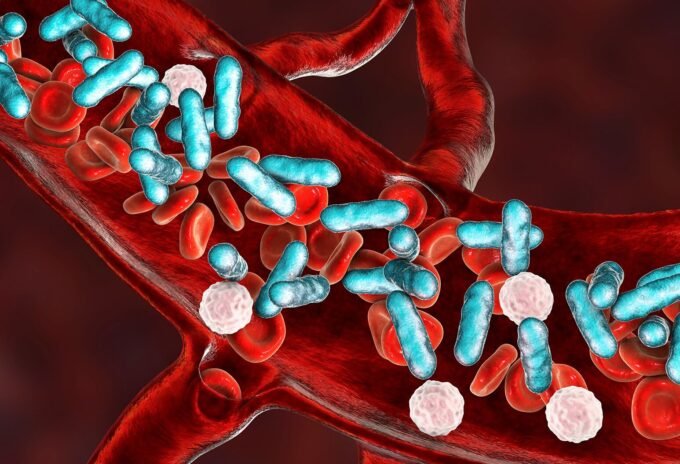
- Chronic inflammation: A weakened gut lining may allow harmful particles into the bloodstream, triggering immune responses and systemic inflammation. Over time, this inflammation can damage blood vessels and promote the buildup of plaque in arteries.
- Toxic metabolites: Some gut bacteria convert nutrients like choline and carnitine (commonly found in red meat and dairy) into a compound called TMAO. High levels of TMAO are associated with increased risk of heart attacks and strokes.
- Protective compounds: Healthy bacteria produce beneficial short-chain fatty acids (SCFAs) that help regulate inflammation, cholesterol levels, and blood pressure—offering protection against cardiovascular disease.
Early Warning Signs of Poor Gut Health
The gut often signals its distress long before it begins to impact your heart. Early warning signs may include:
- Digestive issues: Bloating, constipation, diarrhea, or frequent indigestion could signal an imbalance in gut bacteria.
- Chronic fatigue: When your gut isn’t absorbing nutrients effectively, your energy levels can plummet—even with enough rest.
- Mood changes or brain fog: The gut plays a key role in producing neurotransmitters that affect mood and mental clarity. Imbalances may contribute to anxiety, depression, or forgetfulness.
- Weakened immunity: A compromised gut can lead to frequent infections or longer recovery times from illness.
- Skin problems: Persistent acne, eczema, or other skin issues may be linked to internal inflammation stemming from the gut.
These symptoms may seem minor but could indicate deeper imbalances that affect cardiovascular health in the long term.
How Poor Gut Health Contributes to Heart Disease
Let’s look at how dysfunction in the gut may set the stage for cardiovascular conditions:
A. Leaky Gut and Inflammation
A compromised gut lining allows toxins and bacteria to escape into the bloodstream. This condition—commonly known as “leaky gut”—triggers widespread inflammation, which plays a major role in the development of atherosclerosis (hardening of arteries).
B. Harmful Compounds and Cholesterol
When the gut microbiome is unbalanced, it can produce higher levels of harmful compounds like TMAO. This compound interferes with the body’s ability to regulate cholesterol and increases the risk of heart disease.
C. Blood Pressure and Insulin Resistance
Gut health also influences blood pressure. Beneficial gut bacteria produce compounds that help regulate vascular tone and support insulin sensitivity. When these bacteria are reduced, the result can be higher blood pressure and increased risk of type 2 diabetes—both major risk factors for heart disease.
D. Heart Failure and Gut Health
In patients with existing heart failure, poor circulation may weaken the gut barrier further, increasing the leakage of harmful substances and compounding cardiovascular issues.
What You Can Do: Protecting Your Gut and Your Heart
Here are science-backed strategies to improve your gut health and lower heart disease risk:
1. Eat a Fiber-Rich Diet
Fiber feeds good bacteria in your gut. Aim for a variety of whole grains, fruits, vegetables, legumes, nuts, and seeds to promote microbiome diversity and gut strength.
2. Add Probiotic and Prebiotic Foods
Probiotics (found in fermented foods like yogurt, kefir, sauerkraut, and kimchi) help maintain a healthy bacterial balance. Prebiotics (found in foods like garlic, onions, and bananas) fuel the growth of these beneficial microbes.
3. Limit Red Meat and Processed Foods
Foods high in saturated fat and animal protein can raise TMAO levels and disrupt your gut bacteria. Opt for lean proteins and plant-based fats more often.
4. Prioritize Sleep and Manage Stress
Poor sleep and chronic stress can damage the gut lining and promote harmful bacterial growth. Aim for 7–9 hours of sleep and incorporate stress-reducing activities like deep breathing, exercise, or meditation.
5. Stay Active
Regular physical activity helps regulate gut motility and encourages healthy bacterial diversity. Even a brisk 30-minute walk daily can make a difference.
6. Avoid Unnecessary Antibiotic Use
Antibiotics wipe out both good and bad bacteria. Use them only when prescribed, and follow up with probiotics to help restore gut health.
Gut health isn’t just about digestion—it plays a vital role in the health of your entire body, especially your heart. Recognizing early signs of gut imbalance and making targeted lifestyle changes can go a long way in preventing cardiovascular disease.
By choosing a gut-friendly diet, staying active, managing stress, and avoiding processed foods, you not only support your digestion but also build a powerful defense against heart disease.
Taking care of your gut is one of the best things you can do for your heart—starting today.












Leave a comment