

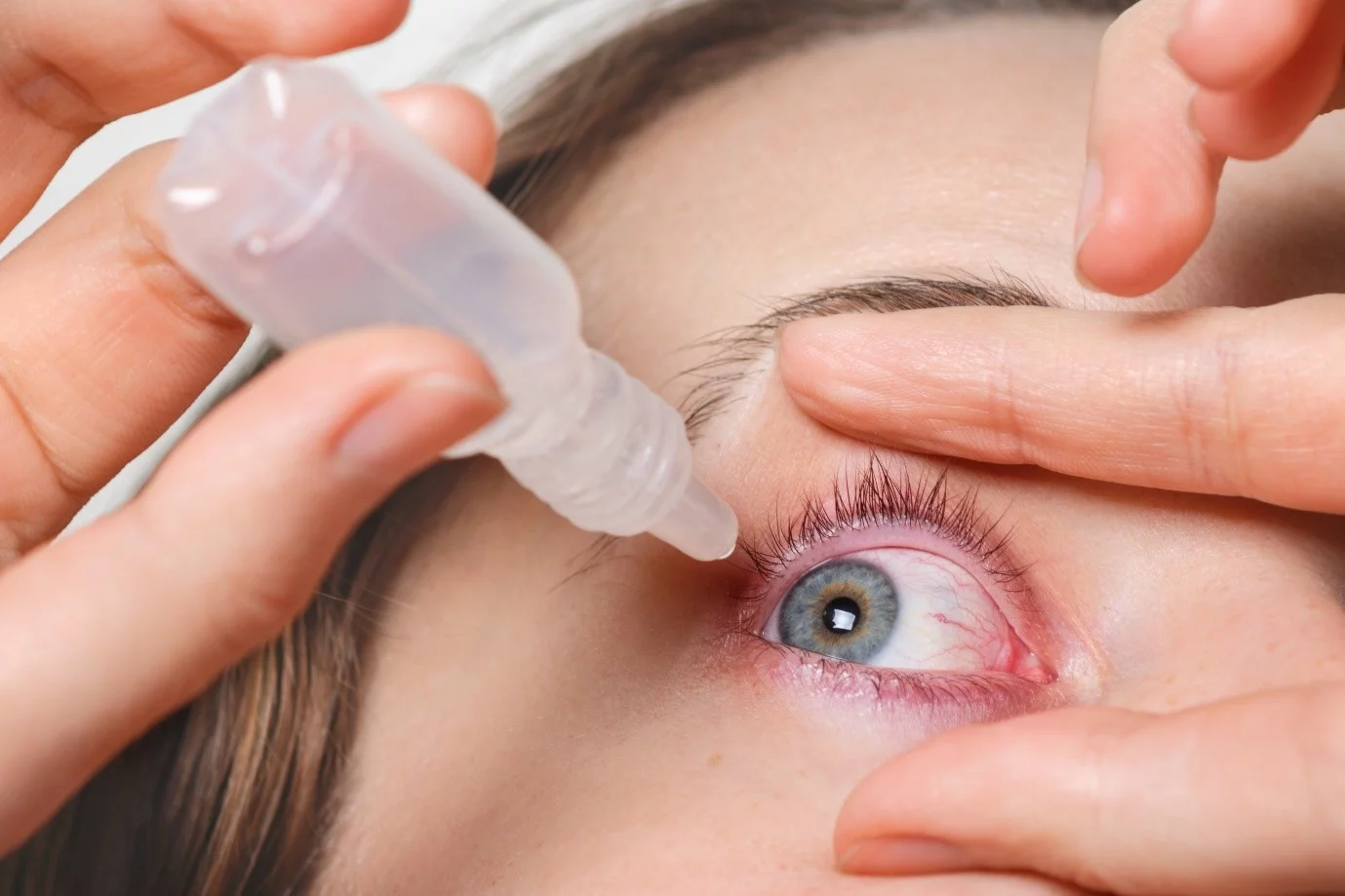
New Delhi, 20 August 2025: The monsoon season brings much-needed relief from the heat, but it also creates a perfect environment for various infections—especially eye infections. With increased humidity, contaminated rainwater, and poor hygiene practices, eye-related issues see a significant spike during this time of year. Here’s a detailed look into why eye infections rise during monsoon and what can be done to stay protected.
What Causes Eye Infections in Monsoon?
1. High Humidity and Microbial Growth
The constant moisture in the air during monsoon provides an ideal environment for bacteria, fungi, and viruses to thrive. This leads to a greater risk of eye infections, especially among those with weaker immune responses or existing eye conditions.
2. Exposure to Contaminated Rainwater
Rainwater in urban areas often contains pollutants, dust, and harmful microorganisms. When this water comes into contact with the eyes—either directly or indirectly—it increases the risk of infections, particularly if the eyes are rubbed or left uncleaned.
3. Poor Hand Hygiene and Eye Contact
People tend to touch their eyes frequently without washing their hands. This transmits bacteria and viruses easily. Sharing towels, makeup, and other personal items also contributes to the spread of eye infections during the rainy season.
4. Crowded Public Spaces
With children returning to schools and adults commuting in public transport, there is an increased chance of catching contagious infections like conjunctivitis. These infections spread rapidly in places where people are in close proximity.
5. Contact Lens Use in Humid Conditions
Wearing contact lenses during the monsoon can be risky. Rainwater, sweat, and dust may get trapped under the lens, increasing the risk of developing corneal infections. Improper cleaning and extended use further heighten this danger.
6. Airborne Allergens
Damp environments during monsoon promote the growth of mold and other allergens. These irritants can affect the eyes, leading to redness, itching, or allergic conjunctivitis, especially in individuals sensitive to environmental changes.
Common Eye Infections During Monsoon
- Conjunctivitis (Pink Eye)
This is one of the most common eye infections during the rainy season. It leads to redness, swelling, watery discharge, and itchiness. It spreads quickly through direct contact, contaminated objects, or airborne particles. - Stye (Hordeolum)
A painful, red bump on the eyelid caused by bacterial infection of the oil glands. Humidity and lack of eyelid hygiene make this condition more prevalent in monsoon. - Keratitis
A serious condition affecting the cornea, causing pain, sensitivity to light, blurred vision, and redness. It may be caused by bacteria, viruses, or fungi and can worsen quickly if untreated. - Fungal Eye Infections
Prolonged exposure to moisture and unclean environments increases the risk of fungal keratitis, especially in those using contact lenses or with corneal injuries. - Blepharitis
This condition involves inflammation of the eyelids and is often caused by bacterial infections or allergies. Symptoms include crusty eyelids, burning sensation, and excessive tearing. - Dry Eyes
Although it may seem surprising, dry eye syndrome also occurs during monsoon due to indoor air conditioning, excessive screen time, and unstable tear film.
Symptoms to Watch Out For
- Red or pink eyes
- Itching or irritation
- Watering or discharge
- Blurred vision
- Swelling around the eyes
- Light sensitivity
- Pain or a gritty feeling in the eyes
If any of these symptoms persist or worsen, it is important to seek medical attention promptly.
How to Prevent Eye Infections During Monsoon
1. Maintain Proper Eye Hygiene
Wash your hands frequently and avoid touching or rubbing your eyes. This is the most effective way to prevent the transfer of germs.
2. Avoid Sharing Personal Items
Do not share towels, cosmetics, or eye drops. Each person should have their own set of hygiene products, especially during monsoon.
3. Wear Protective Eyewear
Use sunglasses or transparent eye shields while riding a bike or walking in the rain. This can prevent rainwater and dust from entering your eyes.
4. Be Careful with Contact Lenses
Limit the use of contact lenses during the monsoon. If needed, follow strict hygiene practices—clean them properly and avoid extended wear. It may be safer to use glasses during this season.
5. Rinse Eyes When Exposed to Rainwater
If your eyes come in contact with rainwater or other irritants, rinse them gently with clean, sterile water. Avoid tap water which may not be sterile.
6. Eat a Nutrient-Rich Diet
Include foods rich in Vitamin A, C, and E like carrots, spinach, citrus fruits, and almonds. These nutrients help maintain eye health and improve immunity.
7. Keep Eye Makeup Minimal
Avoid heavy eye makeup during monsoon. Use waterproof and hypoallergenic products and remove makeup thoroughly before bed.
8. Stay Away from Infected Individuals
Avoid close contact with people who have visible eye infections like conjunctivitis. Wash hands and disinfect shared surfaces.
9. Use Lubricating Eye Drops if Necessary
If you suffer from dry eyes, use artificial tears to keep your eyes moisturised. Choose preservative-free drops if using them frequently.
10. Avoid Self-Medication
Do not use over-the-counter eye drops or antibiotics without medical advice. Wrong treatment can worsen the infection or delay healing.
During the monsoon season, clinics and hospitals often report a sharp rise in eye infections. Viral conjunctivitis alone can become widespread within days if not controlled. Children, elderly individuals, and those with compromised immunity are at greater risk. Moreover, the increased sale of anti-infective medications reflects how common and widespread these conditions have become during the rainy season.
In some cities, hospitals have reported a 50–60% rise in daily eye infection cases compared to dry months. These statistics highlight the importance of awareness, prevention, and timely treatment.
While the rains bring much-needed refreshment, they also bring along an increase in eye health risks. Maintaining good hygiene, protecting your eyes from direct rain exposure, and being mindful about contact lens use can go a long way in preventing monsoon-related eye infections.
If you experience persistent irritation or changes in vision, don’t ignore the symptoms. Prompt consultation with an eye specialist can help prevent complications and ensure your eyes stay healthy throughout the season.
Common Eye Infections And Their Symptoms
| Eye Condition | Cause | Symptoms | Prevention Tips |
|---|---|---|---|
| Conjunctivitis | Viral/Bacterial infection | Redness, itchiness, discharge | Avoid contact, practice hygiene |
| Stye | Bacterial infection of oil glands | Painful lump on eyelid | Keep eyelids clean, warm compresses |
| Keratitis | Infection of cornea | Pain, light sensitivity | Avoid rainwater, lens hygiene |
| Fungal Keratitis | Fungal spores, moisture | Redness, blurry vision | Avoid contaminated water, clean hands |
| Blepharitis | Allergies or bacteria | Crusting, swelling, irritation | Wash eyes regularly, no rubbing |
| Dry Eyes | Indoor A/C, screen exposure | Gritty sensation, dryness | Use artificial tears, blink often |















Leave a comment