

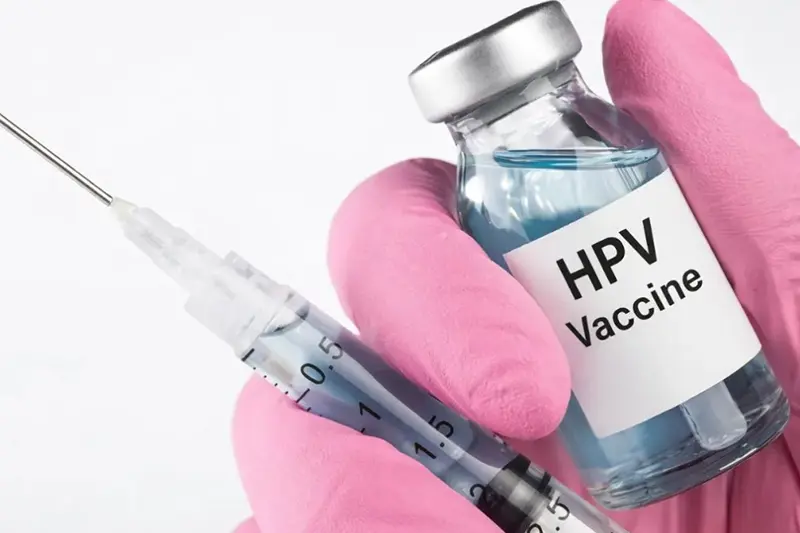
India is making more efforts to prevent cervical cancer by increasing vaccination against the human papillomavirus (HPV) which is a widespread infection that causes various cancers. As the awareness grows and the government supports the programmes the HPV vaccine campaign is expected to save millions of teenagers primarily young girls against a disease that is mostly preventable.
What is HPV and why is it important?
Human papillomavirus (HPV) is a family of over 100 related viruses some of which are transmitted by skin to skin contact such as sexual intimacy. The World Health Organization (WHO) says that HPV causes about 100 per cent of cervical cancer and a large percentage of anal cancer, throat cancer and other genital cancer. A majority of HPV infections are harmless and self-limiting but chronic infections with high-risk viruses especially HPV-16 and HPV-18 may cause cancer in the long term.
Talking about the importance of HPV vaccine drive in India Dr. Tripti Raheja, Lead Consultant, Obstetrics and Gynaecology, CK Birla Hospital, Delhi explains, “The HPV vaccination campaign is essential for India as cervical cancer is still one of the most common cancers in women in India. Cervical cancer is almost always caused by an ongoing HPV infection and is highly preventable by getting the HPV vaccine at an appropriate age. Increasing coverage for the HPV vaccination especially for young adolescent girls will greatly lower the number of women who develop cervical cancer the number of women who die from cervical cancer and the overall cost of healthcare due to cervical cancer. A national campaign like this will help to close any gaps in knowledge about cervical cancer in rural underserved areas with little to no access to screening. The integration of HPV vaccinations with education about cervical cancer and early screening for cervical cancer will help India achieve its goal of eliminating cervical cancer as a national concern.”
India has launched a free HPV vaccination campaign for 1.15 crore girls to prevent cervical cancer, the second most common cancer among Indian women. The 90-day nationwide public health drive is being conducted across government health facilities to ensure wider access, early… pic.twitter.com/BdbRblLfva
— MyGovIndia (@mygovindia) March 4, 2026
HPV vaccine drive in India
The burden of cervical cancer in India is among the highest in the world which is why prevention is a primary concern of the population in terms of health. Healthcare agencies as well as the government have been trying to increase the availability of HPV vaccines particularly to teenagers aged between 9 and 14 years. The programme has been made more accessible and affordable with the introduction of locally manufactured vaccines and awareness campaigns. Healthcare professionals think that mass vaccination will have a profound impact in terms of preventing cervical cancer in the next few decades.
1⃣Why get the #HPV vaccine?
2⃣Who should get the HPV vaccine?
3⃣Is the HPV vaccine safe?
Your questions answered ⬇️#ViralFactsAfrica@viralfacts pic.twitter.com/eI2tSt4T3w
— WHO African Region (@WHOAFRO) April 9, 2024
Who should receive the HPV vaccine?
The WHO advises that girls aged between 9 and 14 years should be regularly immunized against HPV preferably before they become sexual activity. The vaccine works best when administered at an early age because it helps to protect against the virus before one is exposed to it. Even the Centres for Disease Control and Prevention (CDC) suggests the vaccination for boys because HPV may result in cancer in men and contribute to transmission. For older adolescents and young adults who did not receive vaccinations at an earlier age you can take catch-up shots.
Dr. Raheja adds, “Absolutely men can and need to get vaccinated against HPV. Though this vaccine is more commonly talked about with women cervical cancer there are also ways that it can affect men like creating warts or causing cancer in your throat, anus and penis. Not only does giving boys and men the vaccine protect them directly but it also helps reduce the transmission of the virus to others living in the community around them. Promoting gender neutral vaccination for HPV is critical in controlling the spread of the virus and for creating a healthier and more protected community as a whole.
How does the HPV vaccine works
The HPV vaccine aids the immune system to identify and combat the high risk types of the virus before they can infect the body. It does not cure the already existing infections but is very effective in the prevention of others. The routine of vaccination includes one or two doses, depending on the age category. Health experts note that the full course is necessary in order to be safeguarded in the long term.
– #HPV vaccine helps protect girls from cervical cancer.
– 1 vaccine today can prevent cancer later.
– HPV vaccine is safe, effective, with mild side effects.
– It works best when given at a young age, before they are sexually active.
5. Protect her now, protect her future pic.twitter.com/gPpgNpMQ1Y— National Department of Health (@HealthZA) February 10, 2026
Safety and effectiveness
Multiple studies have indicated that HPV vaccines are safe and very effective. The WHO also claims that administering the vaccine properly can prevent 90 per cent of cervical cancer cases. The side effects are not severe and could include pain at the site of an injection, light fever or tiredness. Additonally the global health organization notes that severe side effects are very rare. The CDC also attest that HPV vaccinations have gone through strict testing and continuous monitoring to make sure that they are safe.
Confronting Myths And Concerns
In India, vaccine hesitancy is a problem despite overwhelming scientific evidence. Fertility, safety and necessity are some of the myths. Multiple global health brands such as the Cleveland Clinic and Mayo Clinic point out that HPV vaccine has no impact on fertility and is an essential weapon of cancer prevention. The key to overcoming misinformation is raising awareness by schools, community programmes and healthcare providers.
HPV spreads silently but cervical cancer develops seriously. But one step can change the story —HPV vaccination.
By protecting against high-risk types 16 & 18, the vaccine helps prevent most cervical cancer cases.
Let’s choose prevention. Let’s choose protection.#HPVVaccine… pic.twitter.com/hM2exQJLuv
— Ministry of Health (@MoHFW_INDIA) February 26, 2026
Role of screening and hygiene
Although vaccination is an effective preventive tool it does not remove the necessity of frequent screening. Women are still encouraged to take cervical cancer screening tests including Pap smears as suggested by medical experts. The risk of transmission of HPV can also be minimised by maintaining good hygiene and engaging in safe behaviours.
Why is the HPV important to India?
Cervical cancer is considered as one of the top causes of cancer deaths in women in India. Therefore to save lives, decrease healthcare expenses and improve the general health outcomes of the population the governemnt has initiated the HPV vaccine drive. It is a significant milestone towards the realization of global targets of the WHO to eradicate cervical cancer as a social health issue.
HPV vaccine campaign in India is an important project which can change the health of the population. The programme can eliminate a significant health burden by preventing infections that cause cancer in the long term. India stands a chance to make a step towards a future in which cervical cancer will no longer be a major menace with healthy support, awareness, and involvement of communities.
She said, “As India has a very young overall population vaccinating women for HPV early in their lives can lead to long-term population-wide immunisation against HPV. In addition decreasing the burden of HPV sourced diseases will reduce the strains that would be put on the healthcare system. Therefore increasing efforts in making the HPV vaccine available to women, awareness and implementing screening programs for HPV are essential to increase women’s health awareness and accomplish the goals established by public health initiatives.”
The content is only for informational purposes. It is not at all professional medical advice. Always consult your doctor or a healthcare specialist for any questions regarding your health or a medical condition.











Leave a comment