The World Health Organization (WHO) has confirmed one death due to Nipah virus infection in Bangladesh, raising regional health concerns weeks after two Nipah cases were reported in India’s West Bengal. Health authorities on both sides of the border have intensified surveillance while emphasizing that the overall risk to the general public remains low.
What Happened in Bangladesh?
According to WHO, the patient in Bangladesh was admitted to hospital in late January after developing symptoms consistent with Nipah virus infection. Laboratory testing later confirmed the presence of the virus. Despite supportive medical care, the patient succumbed to the illness.
Health officials have launched contact tracing, isolated close contacts, and activated infection-control protocols to prevent further spread.
Recent Nipah Cases in West Bengal
The confirmation in Bangladesh comes just weeks after two Nipah virus cases were detected in West Bengal, prompting heightened alertness in eastern India. Both patients were isolated, and no secondary infections were reported following rigorous containment measures.
Indian health authorities reiterated that there is no evidence of community transmission, and existing surveillance systems remain fully operational.
Why the Region Is on Alert
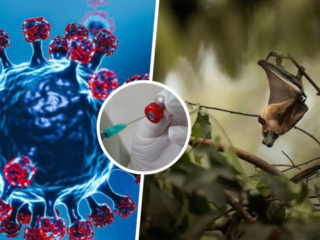
South Asia has experienced sporadic Nipah outbreaks in the past, particularly in Bangladesh and parts of India. Experts say the virus’s natural reservoir—fruit bats—is widely present in the region, making vigilance essential.
WHO noted that while Nipah virus is highly lethal, its ability to spread widely is limited when containment measures are applied early.
Also Read: Nipah rises in India again
How Nipah Virus Spreads
Nipah virus can be transmitted through:
- Contact with infected fruit bats or animals
- Consumption of food contaminated by bat secretions
- Close contact with infected individuals, particularly in healthcare or household settings
Human-to-human transmission has been documented, but it usually requires prolonged close contact.
Symptoms to Watch For
Nipah infection often begins with flu-like symptoms, which can rapidly worsen:
- Fever and headache
- Drowsiness or confusion
- Breathing difficulties
- Encephalitis (brain inflammation)
Health officials urge anyone with symptoms and recent exposure history to seek immediate medical care.
Why WHO Assesses Risk as Controlled
Despite the confirmed death, WHO emphasized several factors supporting a low-to-moderate public health risk:
- The Bangladesh case was isolated and detected early
- Contacts are under monitoring
- No signs of sustained human-to-human transmission
- Regional experience in managing Nipah outbreaks
“The current cases do not indicate widespread transmission. With prompt public health action, further spread can be prevented,” WHO said in its assessment.
Preparedness Measures in India and Bangladesh
Authorities in both countries have strengthened:
- Hospital infection-control protocols
- Cross-border disease surveillance
- Public awareness campaigns
- Rapid response teams for contact tracing
Border health agencies are also coordinating data sharing to ensure early detection of any new cases.
Nipah Outbreak: What People Should Do
Health experts recommend:
- Avoiding consumption of partially eaten or fallen fruits
- Maintaining hand hygiene
- Avoiding close contact with sick individuals
- Reporting symptoms early, especially after travel or exposure
There is no approved vaccine or specific antiviral treatment for Nipah virus, making prevention and early detection critical.
The WHO-confirmed Nipah virus death in Bangladesh, following recent cases in West Bengal, highlights the need for continued vigilance but not panic. Health authorities stress that the virus remains containable when detected early and managed promptly.
While Nipah virus is among the world’s deadliest pathogens, experts emphasize that strong surveillance, rapid response, and public awareness are effective in preventing large outbreaks. The current situation underscores the importance of regional cooperation in tackling zoonotic diseases.