

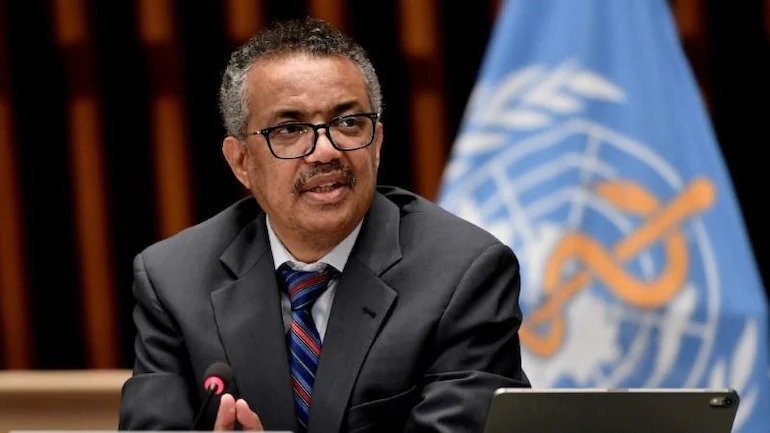
The head of the World Health Organization (WHO), Dr. Tedros Adhanom Ghebreyesus, is hopeful that the ongoing mpox outbreaks in Africa could be controlled within the next six months. This optimism comes as the WHO prepares to send its first shipment of vaccines to Congo, the country with the highest number of cases.
Vaccine Arrivals and Challenges
Dr. Tedros announced that WHO’s first shipment of vaccines should arrive in Congo within a few days. To date, Africa has only received a small portion of the vaccines needed to slow down the spread of mpox, especially in Congo, which has recorded over 18,000 suspected cases and 629 deaths.
He emphasized the importance of collaboration, stating, “With the governments’ leadership and close cooperation between partners, we believe we can stop these outbreaks in the next six months.” However, despite the rising number of mpox infections in recent weeks, there have been relatively few deaths, which is a positive sign.
The Spread of Mpox
Mpox, also known as monkeypox, is a virus related to smallpox, but it usually causes milder symptoms. These symptoms include fever, headache, and body aches. In more severe cases, individuals can develop painful sores and blisters on their face, chest, hands, and genitals. The virus typically spreads through close skin-to-skin contact.
In May, scientists detected a new version of the disease in Congo that might be spreading more easily. This discovery has raised concerns about how to best manage the spread of the virus, especially in regions with limited healthcare resources.
Global Emergency and New Outbreaks
Earlier this month, WHO declared the ongoing mpox outbreaks in Africa a global emergency. The goal of this declaration is to trigger a stronger global response to the disease, particularly in Africa, where cases have been spreading unnoticed for years. Countries like Nigeria have been dealing with mpox outbreaks for a long time, but the global community is only now paying attention.
Dr. Tedros also mentioned that there have been 258 cases of the newest version of mpox, with patients identified in Burundi, Rwanda, Kenya, Uganda, Sweden, and Thailand.
Vaccine Distribution and Awareness Efforts
WHO estimates that around 230,000 vaccines could be sent “imminently” to Congo and other affected areas. The agency is also working on educational campaigns to help people understand how to avoid spreading mpox in countries experiencing outbreaks.
Maria Van Kerkhove, who directs WHO’s epidemic and pandemic diseases department, stated that the agency is working to speed up vaccine access for the countries that need it most, given the limited supply available.
Concerns About Vaccine Effectiveness
Despite these efforts, scientists have raised concerns about the effectiveness of the vaccines. Without a better understanding of how mpox is spreading in Africa, it may be challenging to know how best to use the available doses.
Earlier this week, the head of Africa’s Centers for Disease Control and Prevention shared that the continent is expecting about 380,000 doses of mpox vaccines promised by donors, including the U.S. and the European Union. However, this is less than 15% of the doses that authorities believe are necessary to end the mpox outbreaks in Congo.














Leave a comment