

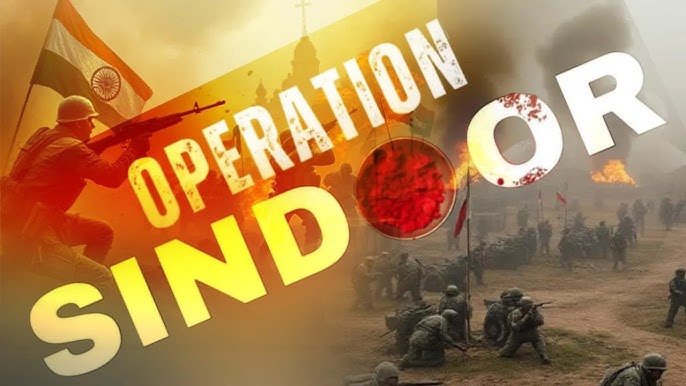
New Delhi, 08 May 2025: On April 22, 2025, tragedy struck in the serene valleys of Pahalgam, Jammu and Kashmir. A group of terrorists backed by Pakistan opened fire on unarmed tourists, killing 26 men in front of their families. As India mourned, the nation’s military responded swiftly, launching Operation Sindoor—a large-scale movement of troops and heightened security along the borders.
While the political and military response unfolded, another silent crisis began brewing in Indian homes and hearts: war anxiety.
What Is War Anxiety?
War anxiety is a psychological condition characterized by persistent fear, stress, and emotional unrest triggered by the threat or possibility of war or violent conflict. It often manifests as a response to real-time news, rising tensions, or traumatic events like terror attacks.
Although India is not officially at war, the brutal nature of the Pahalgam massacre and subsequent military mobilization have created an atmosphere of uncertainty. Many Indians, even those far from conflict zones, are reporting signs of stress, panic, and emotional exhaustion.
Common Symptoms of War Anxiety
According to mental health experts, symptoms of war anxiety may include:
- Constant worry or dread, even without immediate danger
- Sleep disturbances, including insomnia or nightmares
- Fatigue and lack of concentration
- Increased irritability or emotional outbursts
- Heart palpitations, shortness of breath, or chest tightness
- Obsessive consumption of news and social media
- Feelings of helplessness, especially about the safety of loved ones
Dr. Aditi Sharma, a clinical psychologist based in Delhi, says, “We’re seeing an increase in patients reporting panic attacks and fear over what might happen next. Even individuals who have no personal connection to Jammu and Kashmir are feeling affected. This is classic war anxiety.”
Why Are So Many Indians Feeling This Now?
The Pahalgam massacre was not just an attack on a region—it struck at the heart of every Indian household. The fact that innocent tourists were gunned down during a peaceful holiday triggered a collective trauma. The subsequent launch of Operation Sindoor, widely covered in the media with visuals of troop mobilization and potential retaliation, has heightened fear across the nation.
In the age of instant updates and viral content, people are exposed to constant news coverage. While staying informed is important, excessive consumption—especially of graphic images or speculative headlines—can worsen anxiety.
How to Cope with War Anxiety
Mental health professionals suggest the following steps to manage war-related stress:
- Limit media consumption: Check news only twice a day from reliable sources. Avoid graphic videos or speculative debates.
- Talk about it: Share your fears with family or close friends instead of bottling them up. Children, especially, need reassurance.
- Practice grounding techniques: Deep breathing, journaling, or mindfulness can help calm racing thoughts.
- Stay connected: Social support is key—reach out to loved ones or mental health professionals if anxiety becomes overwhelming.
- Focus on what you can control: Maintain daily routines, eat healthy, and engage in physical activity to build emotional resilience.
India is going through a turbulent moment. While the government takes measures to ensure national security, it’s equally important for individuals to take care of their mental well-being. War anxiety is a normal response in times of crisis—but it doesn’t have to control your life.















Leave a comment