

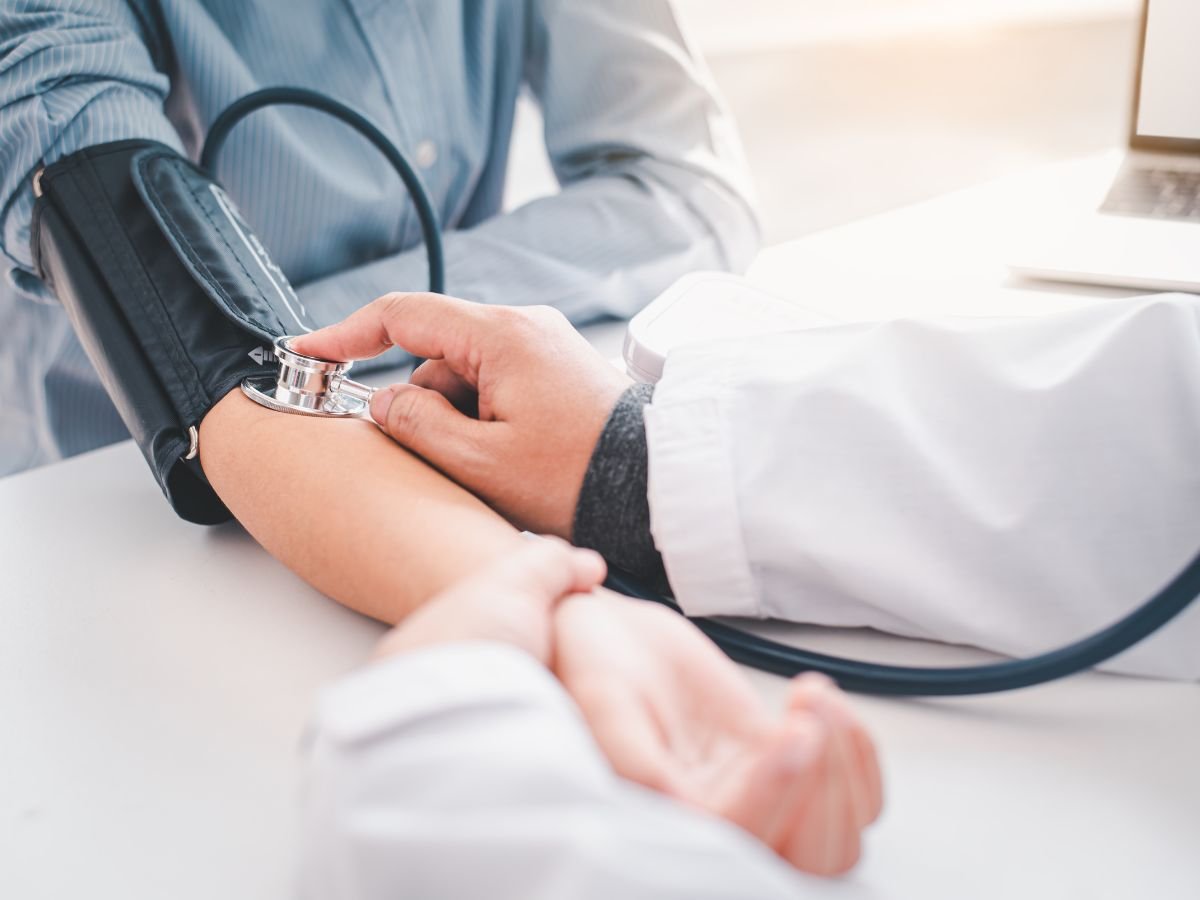
New Delhi, 13 August 2025: Maintaining healthy blood pressure is one of the most vital components of overall well-being. Whether you’re monitoring your own BP levels or trying to understand what your doctor means when they say “120 over 80,” understanding your blood pressure readings can help you prevent serious health issues before they begin.
In this article, we’ll explain what ideal blood pressure is, break down how BP readings work, what causes them to fluctuate, and provide lifestyle tips to keep your blood pressure in the healthy range.
What Is Blood Pressure?
Blood pressure (BP) is the force of your blood pushing against the walls of your arteries as your heart pumps. This pressure is essential for circulating blood throughout your body to deliver oxygen and nutrients.
BP is measured in millimeters of mercury (mm Hg) and is given as two numbers:
- Systolic pressure (the top number): The pressure in your arteries when your heart beats.
- Diastolic pressure (the bottom number): The pressure in your arteries when your heart rests between beats.
What Is an Ideal Blood Pressure Reading?
According to major health organizations like the American Heart Association (AHA) and the World Health Organization (WHO), the ideal blood pressure for adults is:
120/80 mm Hg or lower
Here’s how to interpret your blood pressure reading:
| Category | Systolic (Top Number) | Diastolic (Bottom Number) |
|---|---|---|
| Normal | < 120 | < 80 |
| Elevated | 120–129 | < 80 |
| High BP (Stage 1) | 130–139 | 80–89 |
| High BP (Stage 2) | ≥ 140 | ≥ 90 |
| Hypertensive Crisis | > 180 | > 120 |
If your blood pressure is consistently outside the normal range, it’s important to consult a doctor. Early detection and management can prevent life-threatening complications.
Why Ideal Blood Pressure Matters
Uncontrolled blood pressure — whether too high or too low — can lead to several severe health issues:
High Blood Pressure (Hypertension) Risks:
- Heart disease and heart attacks
- Stroke
- Kidney damage
- Vision loss
- Cognitive decline
Low Blood Pressure (Hypotension) Risks:
- Dizziness and fainting
- Blurred vision
- Fatigue
- Shock in severe cases
What Causes High or Low Blood Pressure?
Your blood pressure isn’t static — it can change based on various factors:
Common Causes of High BP:
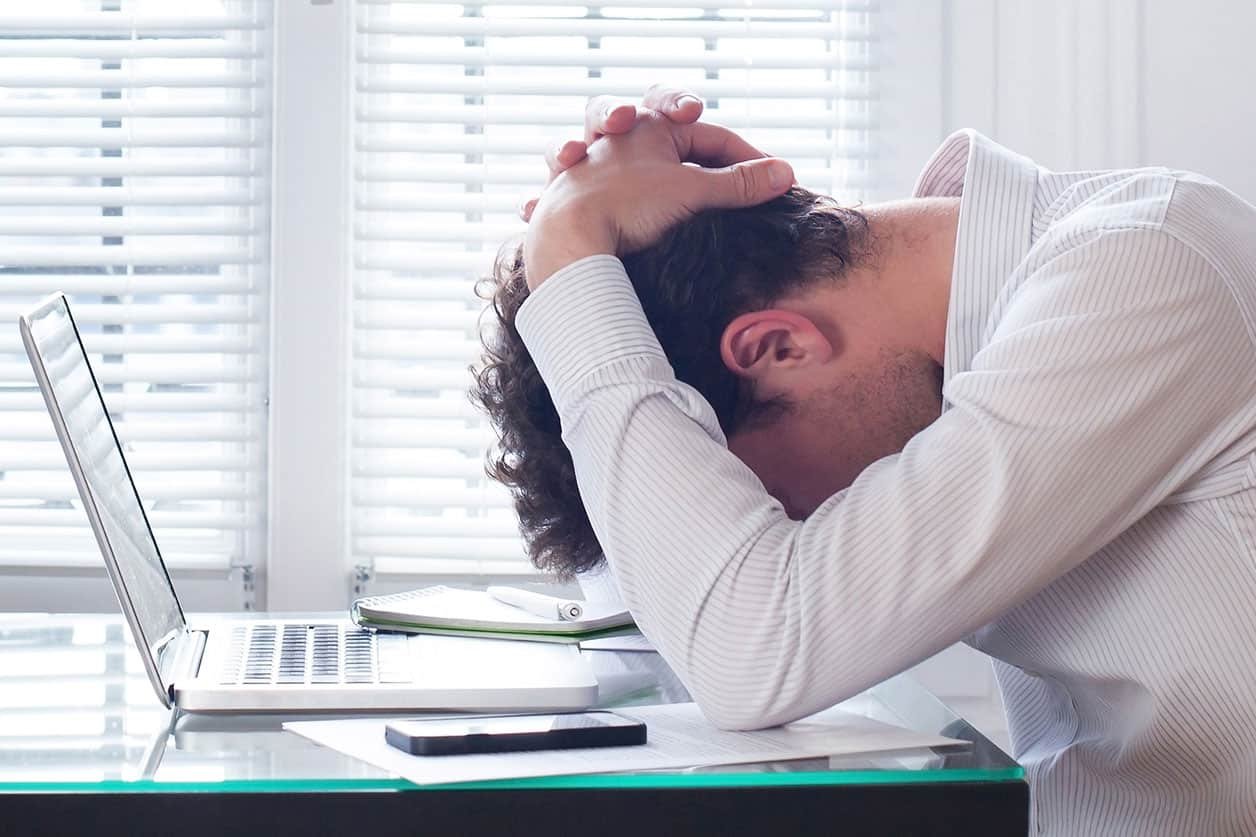
- Stress
- Poor diet (especially high in salt)
- Lack of physical activity
- Smoking and alcohol
- Obesity
- Genetics
- Aging
Common Causes of Low BP:
- Dehydration
- Nutrient deficiencies
- Blood loss
- Certain medications
- Endocrine problems
- Heart conditions
Understanding the root causes of abnormal BP can help you make lifestyle changes or seek treatment more effectively.
How to Measure Your Blood Pressure Accurately
Monitoring your BP regularly at home or the doctor’s office is key to detecting any issues early.
Tips for Accurate Readings:
- Rest quietly for 5 minutes before measuring.
- Sit with your back supported and feet flat on the floor.
- Use a properly calibrated home monitor.
- Avoid caffeine, exercise, or smoking 30 minutes before testing.
- Take multiple readings and average the results.
Home Remedies and Lifestyle Tips for Healthy BP
Fortunately, many cases of high or low blood pressure can be managed — or even reversed — through natural methods. Here are some science-backed lifestyle changes that can help you maintain ideal blood pressure:
1. Eat a Heart-Healthy Diet
- Focus on fruits, vegetables, whole grains, and lean proteins
- Reduce sodium intake (ideally <1,500 mg per day)
- Increase potassium-rich foods like bananas, spinach, and sweet potatoes
- Limit processed and fried foods
2. Stay Active
- Engage in at least 30 minutes of moderate exercise daily: walking, swimming, cycling, or yoga
- Regular activity strengthens the heart and helps it pump with less effort, lowering BP
3. Manage Stress
- Practice deep breathing, meditation, or mindfulness
- Cut down on screen time and prioritize sleep
- Avoid overworking or multitasking excessively
4. Quit Smoking and Limit Alcohol
- Smoking narrows arteries and increases BP
- Limit alcohol to 1 drink/day (women) and 2 drinks/day (men)
5. Stay Hydrated
- Drink enough water throughout the day to support circulation
- Dehydration can cause a drop in blood pressure
6. Maintain a Healthy Weight
- Shedding even 5–10% of your body weight can significantly reduce BP if you’re overweight
7. Follow Medical Advice
- Take prescribed medications as directed
- Never skip or self-adjust doses without consulting your doctor
When to See a Doctor
While occasional fluctuations in blood pressure are normal, consistently high or low readings may indicate an underlying issue that needs medical attention.
See your doctor if:
- Your BP is consistently above 130/80 mm Hg
- You experience symptoms like chest pain, shortness of breath, or blurred vision
- Your BP drops too low and causes fainting or dizziness
- You’re pregnant and have high or low BP
Early diagnosis and treatment can prevent long-term damage and save lives.
Some Common FAQs
Can stress alone cause high blood pressure?
Yes. Stress causes your body to release hormones that temporarily raise BP. Chronic stress can lead to long-term hypertension if unmanaged.
Is 110/70 a good blood pressure?
Yes, 110/70 mm Hg is considered a very healthy reading and falls well within the ideal range for most adults.
Can blood pressure change during the day?
Absolutely. BP can fluctuate based on activity, stress, diet, time of day, and more. That’s why multiple readings over time are more accurate.
Are digital BP monitors reliable?
Yes, FDA-approved digital monitors are reliable when used correctly. Always check your device’s calibration and follow instructions carefully.
Your blood pressure is more than just a number — it’s a window into your heart’s health and a key indicator of overall wellness. Knowing what your BP readings mean, and taking simple steps to keep them in check, can go a long way in preventing chronic illness and promoting longevity.
Whether you’re currently dealing with high blood pressure, low blood pressure, or just want to stay in the optimal range, awareness and action are your best tools.











Leave a comment