

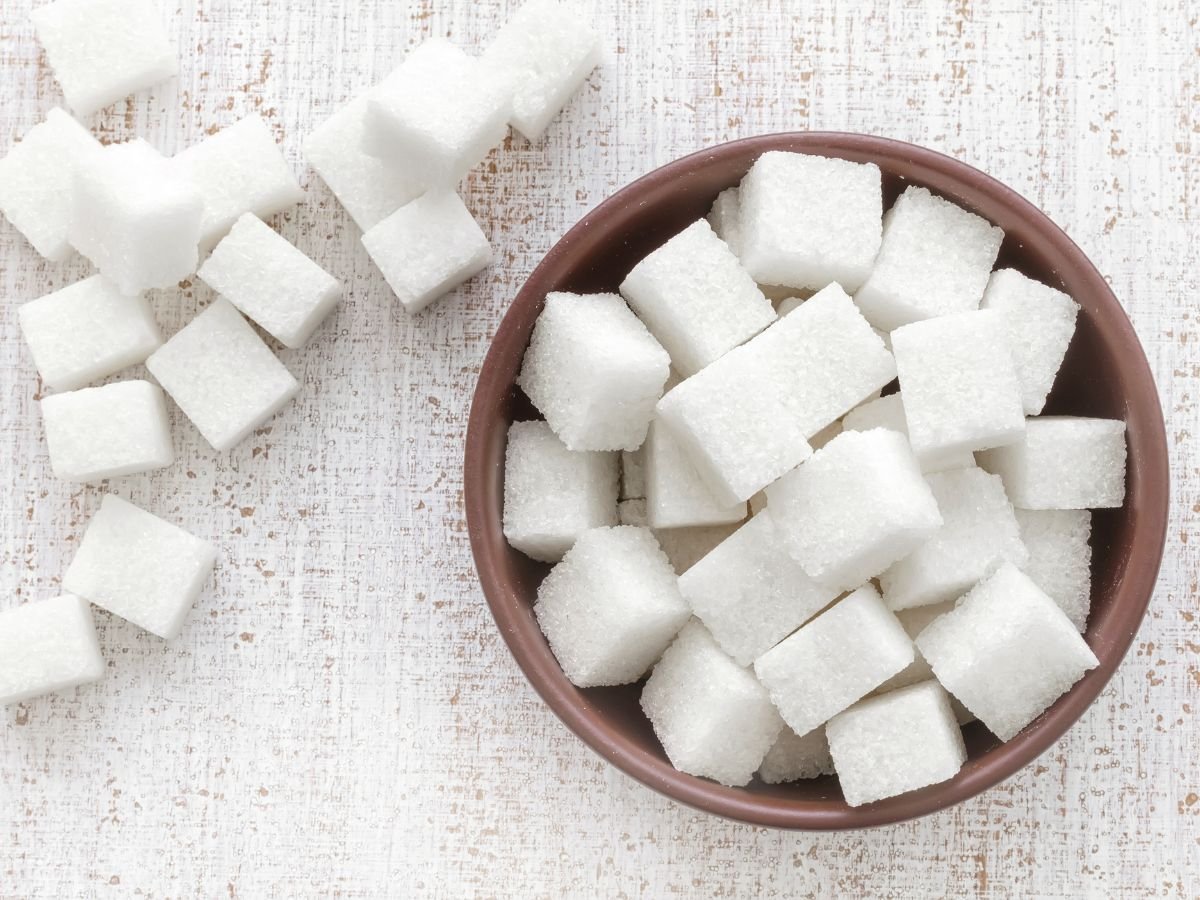
New Delhi, 25 May 2025: In a world dominated by processed foods and sugar-loaded snacks, reducing or eliminating sugar from your diet can feel like a major lifestyle shift. But what actually happens in your body when you stop taking sugar? From better skin to balanced hormones and sharper brain function, the effects can be both immediate and long-lasting. Here’s what experts say about quitting sugar and how it impacts your health.
Sugar Detox: What to Expect in the First Few Days
Cutting sugar can lead to withdrawal-like symptoms, especially if your diet is high in added sugars. According to nutritionist Dr. Renu Verma, “Many people experience cravings, headaches, irritability, and even fatigue in the first 3-5 days. This is the body adjusting to the lack of quick-energy fuel it’s grown dependent on.”
However, this phase is temporary. As your blood sugar levels begin to stabilize, your energy becomes more sustained and less reliant on sugar spikes.
Improved Energy Levels and Mood Stability
Sugar provides a quick burst of energy followed by a crash, which is why many people feel sluggish after consuming sugary snacks. Once sugar is removed from the diet, your body turns to more sustainable sources of energy—like complex carbs and fat.
Experts point out that mood swings also reduce when you quit sugar. “Your brain no longer rides the rollercoaster of dopamine spikes followed by crashes,” says endocrinologist Dr. Sameer Malhotra. This results in a more balanced emotional state and reduced anxiety.
Clearer Skin and Reduced Inflammation
One of the most noticeable changes after quitting sugar is improved skin. Sugar increases inflammation, which can worsen acne, rosacea, and eczema. By eliminating sugar, you reduce inflammation markers in the body, allowing the skin to heal and regenerate more efficiently.
A study published in the American Journal of Clinical Nutrition found that high glycemic diets are linked to a higher risk of acne. Quitting sugar helps the body maintain a healthier hormone balance, which directly affects your skin.
Weight Loss Without Extreme Dieting
Sugar is calorie-dense and nutritionally empty. It also disrupts hunger hormones like ghrelin and leptin, making you feel hungrier than you are. When sugar is eliminated, cravings decrease, appetite becomes more manageable, and weight loss occurs naturally—even without counting calories.
Nutrition expert Dr. Kavita Arora explains, “When you stop taking sugar, you’re not just cutting out empty calories—you’re also rebalancing your hormones, which makes healthy weight maintenance easier.”
Better Heart Health and Lower Risk of Diabetes
Sugar, especially fructose, increases triglyceride levels and promotes insulin resistance, both of which are risk factors for cardiovascular disease. Giving up sugar leads to better cholesterol levels, improved insulin sensitivity, and lower blood pressure over time.
“Reducing sugar intake significantly decreases your risk of type 2 diabetes and fatty liver disease,” notes Dr. Manish Yadav, a diabetologist. “It’s one of the most effective long-term strategies for preventing metabolic disorders.”
Sharper Brain Function and Mental Clarity
Excess sugar has been associated with impaired brain function, memory issues, and even an increased risk of depression. As the brain adjusts to a low-sugar environment, people report clearer thinking, improved concentration, and better decision-making.
Neuroscientist Dr. Anjali Rao explains: “High sugar diets affect the hippocampus—the brain’s memory center. Removing sugar gives your brain a chance to reset and perform at its best.”
Is It Worth Giving Up Sugar?
While quitting sugar may seem daunting, the health benefits are undeniable. From physical improvements like glowing skin and weight loss to mental clarity and reduced disease risk, your body thrives in the absence of added sugars. Experts recommend starting gradually—reading food labels, avoiding sugary beverages, and replacing sweets with natural alternatives like fruits.
Your body doesn’t need added sugar to function. In fact, it performs better without it. Making this one dietary change can lead to a healthier, more energetic, and more vibrant life.













Leave a comment