

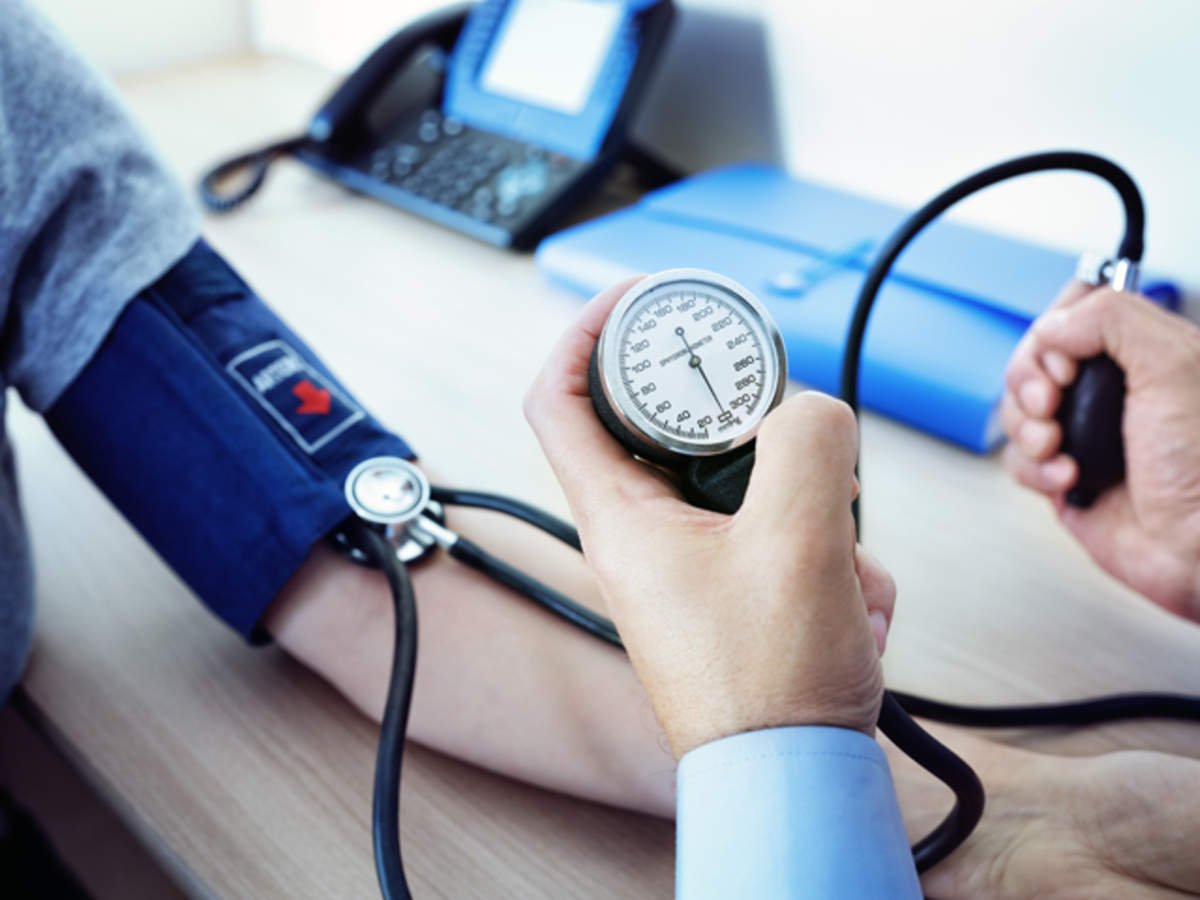
New Delhi, 19 November 2025: High blood pressure, also known as hypertension, is often referred to as the “silent killer” — and for a good reason. It usually has no symptoms until significant damage has already occurred, especially to the heart. Uncontrolled hypertension is one of the leading risk factors for heart disease, heart attacks, and heart failure. Understanding the connection between high blood pressure and heart health is crucial to preventing long-term complications.
In this article, we explain how uncontrolled hypertension affects your heart, the warning signs, and how to take control before it’s too late.
What Is Uncontrolled Hypertension?
Uncontrolled hypertension occurs when your blood pressure remains consistently high — typically above 140/90 mmHg — despite lifestyle changes or even medication. It may result from poor adherence to treatment, underlying conditions, or lack of awareness.
Common causes of uncontrolled high blood pressure:
- Sedentary lifestyle
- Excessive salt and processed food intake
- Obesity
- Chronic stress
- Smoking and alcohol
- Kidney disease or thyroid issues
- Missed or incorrect medications
How High Blood Pressure Affects Your Heart
Your heart is a muscular organ that works continuously to pump blood throughout the body. When blood pressure is elevated, it puts excessive strain on the arteries and the heart, leading to a number of cardiovascular complications.
1. Enlarged Heart (Left Ventricular Hypertrophy)
When your heart has to work harder to pump against higher pressure in the arteries, the left ventricle thickens. This condition, known as left ventricular hypertrophy, can reduce heart efficiency and lead to heart failure.
2. Heart Failure
Persistent high blood pressure can weaken the heart muscle over time, making it less efficient at pumping blood. This can result in congestive heart failure, where the heart can’t keep up with the body’s needs.
3. Increased Risk of Heart Attack
Hypertension can damage the inner lining of your arteries, leading to plaque buildup (atherosclerosis). This narrows the arteries and increases the risk of blockages, which can cause a heart attack.
4. Irregular Heartbeat (Arrhythmia)
High blood pressure can affect the heart’s electrical system, increasing the likelihood of irregular heart rhythms, which may raise the risk of stroke and sudden cardiac arrest.
Warning Signs Your Heart May Be Affected by Hypertension
While high blood pressure is usually asymptomatic, when the heart starts to suffer, your body may send distress signals. Watch out for these warning signs:
- Shortness of breath even with mild activity
- Chest pain or tightness
- Rapid or irregular heartbeat
- Swelling in ankles or feet
- Fatigue and dizziness
- Frequent headaches, especially in the morning
If you experience these symptoms, seek immediate medical attention. They may indicate damage to the heart or the onset of heart failure.
Long-Term Effects of Uncontrolled Hypertension on Heart Health
Over time, uncontrolled hypertension silently damages the cardiovascular system. Here’s how it can impact you long-term:
- Artery damage and narrowing: High pressure damages artery walls, causing stiffness and narrowing.
- Coronary artery disease: Leads to limited blood supply to the heart.
- Aneurysms: Persistent high pressure can weaken blood vessels, causing dangerous bulges (aneurysms).
- Sudden cardiac arrest: Advanced heart failure and arrhythmias can lead to sudden death.
These complications highlight why managing blood pressure is critical for heart health.
How to Protect Your Heart from High Blood Pressure
The good news is that hypertension is manageable, and damage can be minimized or even reversed with proper care. Here are key steps to protect your heart:
1. Monitor Your Blood Pressure Regularly
Use a home monitor or visit your healthcare provider. Aim to keep your readings below 120/80 mmHg if possible.
2. Eat a Heart-Healthy Diet
- Follow the DASH diet (rich in fruits, vegetables, whole grains, and low-fat dairy)
- Cut back on salt, sugar, and saturated fats
- Eat potassium-rich foods like bananas, spinach, and sweet potatoes
3. Exercise Daily
Aim for at least 30 minutes of moderate activity like walking, cycling, or yoga to lower blood pressure and strengthen the heart.
4. Limit Alcohol and Quit Smoking
Alcohol and tobacco raise blood pressure and increase the risk of cardiovascular events.
5. Manage Stress
Chronic stress can spike blood pressure. Practice deep breathing, meditation, or mindfulness techniques.
6. Take Medications as Prescribed
If your doctor prescribes blood pressure medications, never skip doses. Consult your physician before making changes.
Uncontrolled hypertension is one of the leading preventable causes of heart disease and death globally. The damage it causes often happens silently, with symptoms appearing only after significant harm. That’s why regular monitoring, lifestyle changes, and medical guidance are essential.
Take charge of your health today — because when it comes to blood pressure and heart health, prevention truly is better than cure.










Leave a comment